The union has stated that the Administration's response is insufficient to a phenomenon that has intensified in various penitentiary centers across the country, already causing serious incidents in prisons such as Botafuegos in Algeciras, Puerto III, and Huelva.
In a letter addressed to the body under the Ministry of Interior, the union has requested an increase in technical resources, specialized training, and updated protocols to intercept these substances before they enter penitentiary facilities.
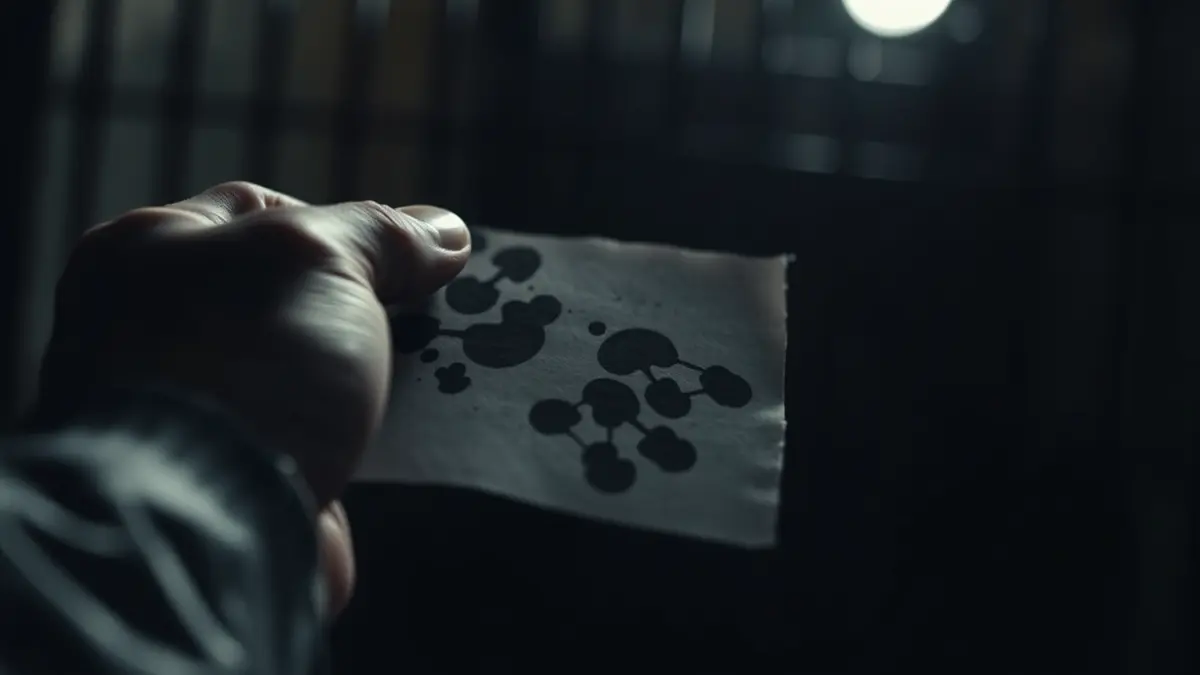
According to the complaint, the most common method for introducing these drugs is to impregnate sheets of paper, letters, drawings, or any paper support with fentanyl, even more potent derivatives, or synthetic cannabis, known in the prison environment as “pescaíto”. Once inside, these papers are cut into small strips and mixed with tobacco to be smoked.
CSIF has warned about the danger of this system, as doses are irregular and can be mixed with other toxic substances, such as solvents or cleaning products, leading to unpredictable effects and a high risk of overdose. This consumption often triggers episodes of aggression, internal conflicts, intoxications, and health emergencies, also affecting prison workers.
“"The problem is not that it is impossible to detect, but that there is a lack of resources and political will to invest in it."
The union has highlighted the danger of accidental handling of these substances during searches, seizures, or correspondence checks, whether by inhalation, dermal contact, or indirect ingestion. Therefore, CSIF considers it essential to establish a homogeneous action protocol in all prisons for the detection and safe handling of these types of drugs.
The Botafuegos prison in Algeciras has been specifically mentioned, where several incidents related to the consumption of impregnated “paperitos” have been recorded in recent months. In 2025, three inmates died in this center due to causes linked to these drugs, and in recent weeks, new intoxications, medical assistance, and hospital transfers have occurred.
Among the proposed measures, CSIF has requested rigorous inspections of all correspondence and packages entering prison, an increase in staff to reinforce controls, and the incorporation of technology capable of detecting colorless and odorless substances. The union insists that the fight against this phenomenon requires joint action from the health, legal, and penitentiary fields, as well as a review of current regulations to adapt to new forms of trafficking and consumption within prisons.