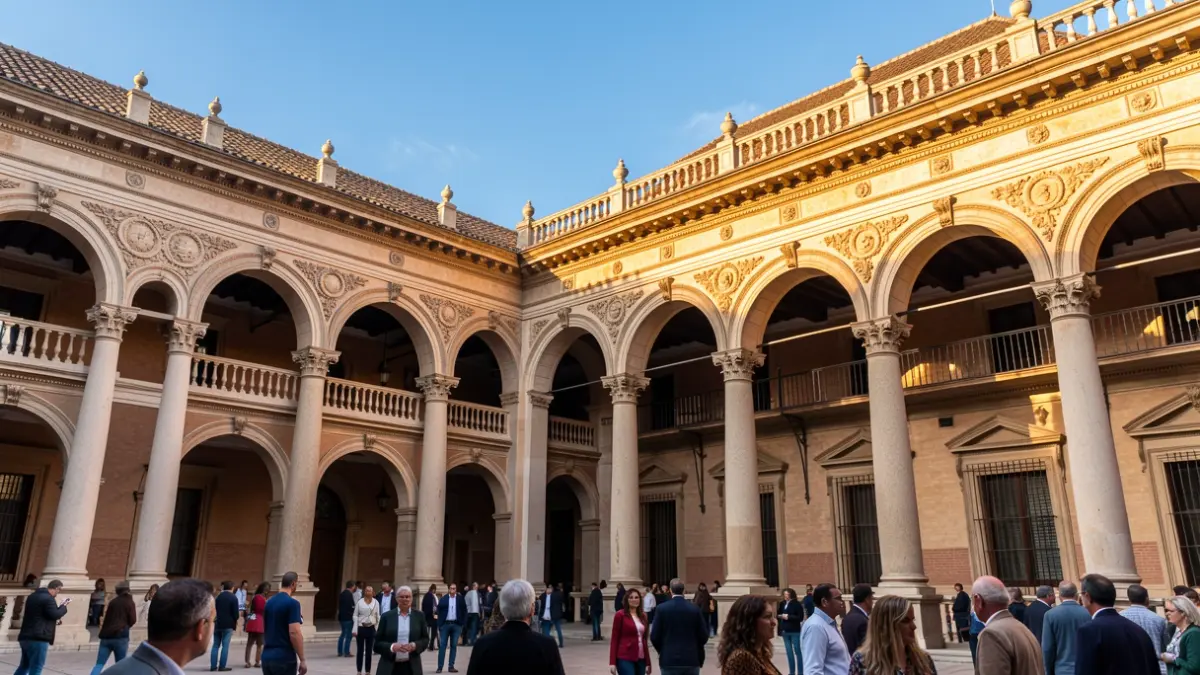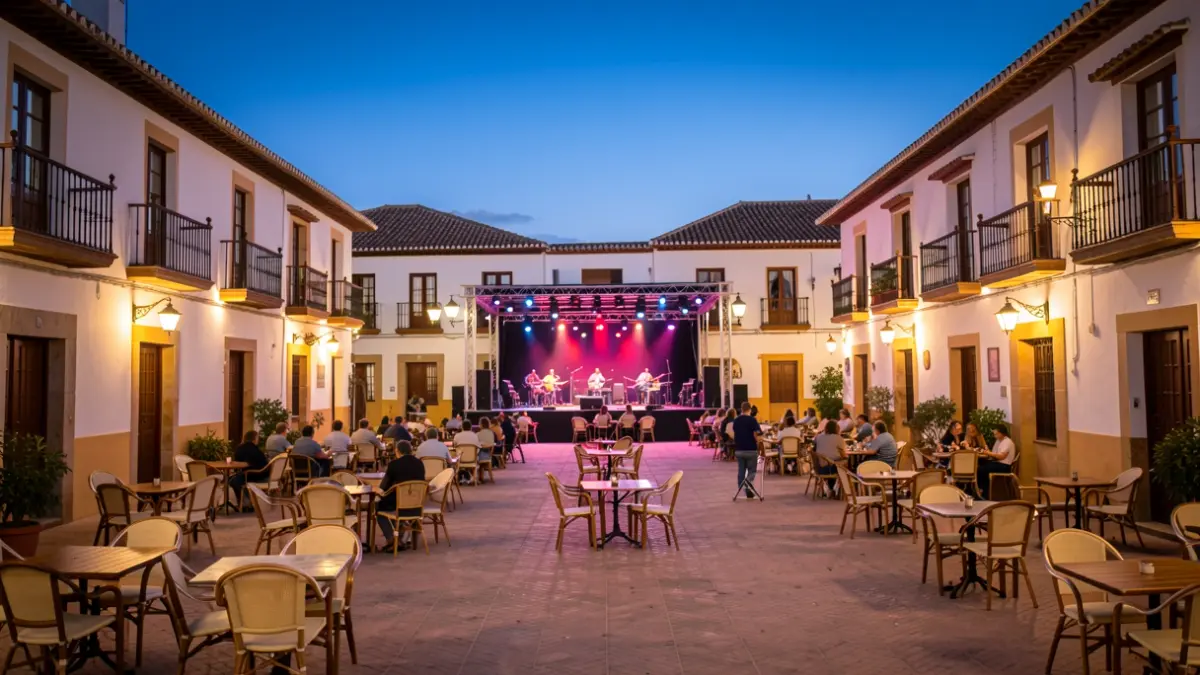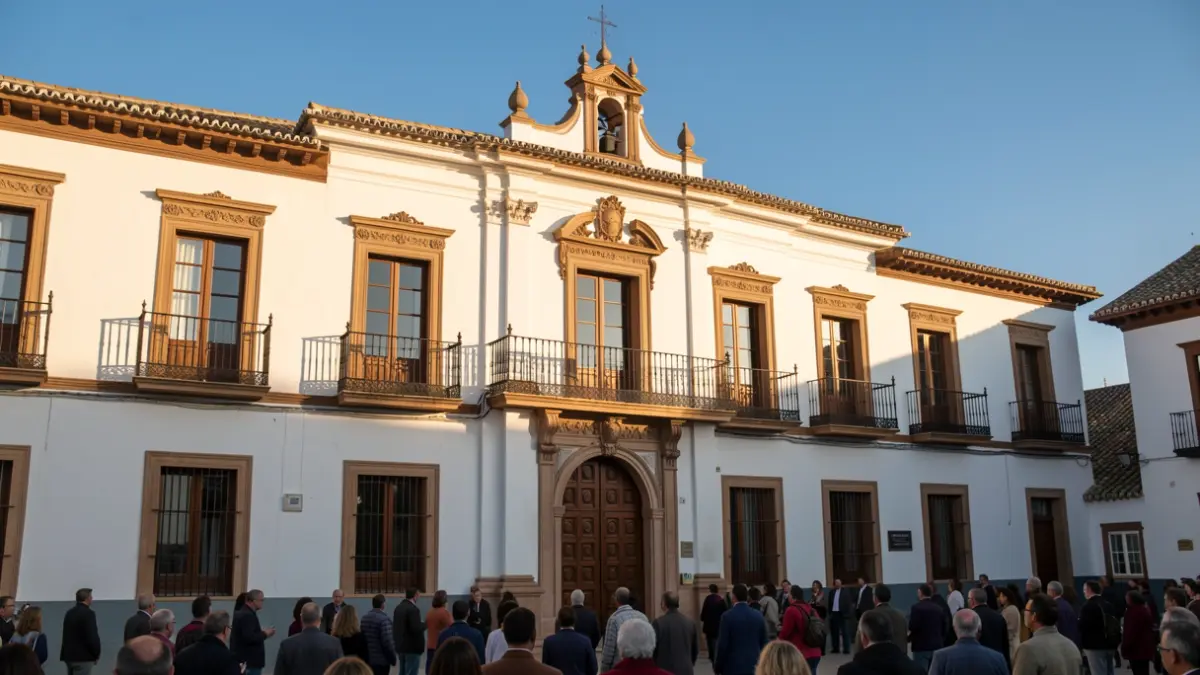
Music, a universal language that predates words, stands as a transcendent vehicle for culture. This art, based on mathematical combinations of notes and rhythms, has been fundamental in all civilizations for expressing human sentiment. An example of its enduring nature is the music of composers like Bach, Mozart, and Beethoven, which travels aboard the Voyager 1 spacecraft.
This year, Cádiz pays tribute to one of its most illustrious sons, Manuel de Falla y Matheu, on the 150th anniversary of his birth in Plaza de Mina. Considered the most internationally recognized Spanish musician, Falla was a central figure in European culture during the first half of the 20th century and an ambassador of Spanish musical heritage. His genius was embraced in cities such as Madrid, Paris, and Buenos Aires, and in his youth, he gave concerts in Cádiz, notably one at the Quirell hall on Rosario Street in August 1899.
Dozens of events commemorate the universal composer throughout this year, reflecting the worldwide recognition of his figure. Works such as El Amor Brujo, El Sombrero de Tres Picos, Noches en los Jardines de España, El Retablo del Maese Pedro, and his unfinished opera La Atlántida, completed by his disciple Ernesto Halffter, continue to be performed in the most prestigious musical venues.
Recently, a group from Cádiz had the privilege of attending a performance of El Amor Brujo at the Teatro di San Carlos in Naples. The work was performed by the adopted Cadiz artist Pasión Vega, accompanied by the theater's orchestra and under the direction of composer Gustavo Dudamel. The performance, which received a standing ovation lasting more than ten minutes, transported the audience's emotions to the capital of Italian Campania with Vega's mezzo-soprano voice, adorned with copla and flamenco influences.
The city of Cádiz continues to hold a debt of recognition to its most illustrious compatriot, whose work continues to resonate throughout the world.