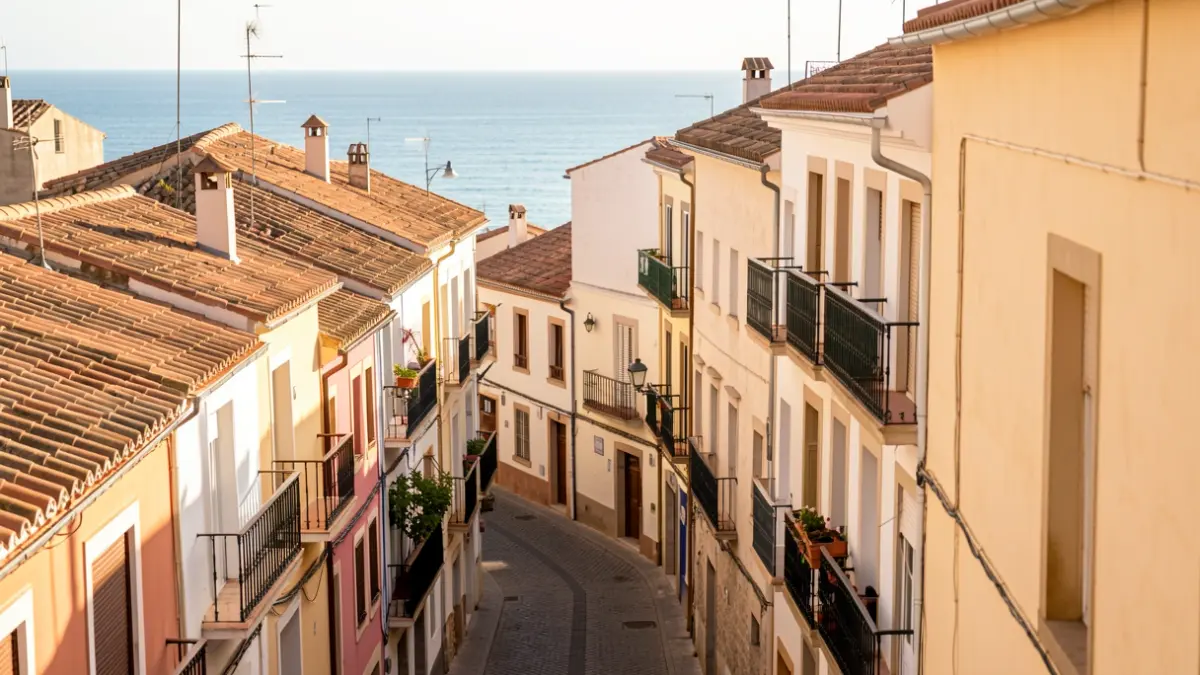
According to a study by the National Statistics Institute (INE), the area around La Caleta beach experiences the greatest tourist pressure, with 15.34% of its homes designated for tourist use. The remaining 84% of dwellings in this zone include residential homes, seasonal rentals, and vacant properties.
In the same La Viña neighborhood and the adjacent El Balón, VUT percentages reach 5%. These areas, which face significant social needs and an aging population, have seen the price of second-hand apartments skyrocket over the last decade, becoming one of the capital's areas with the highest housing value growth.
The rental supply in these neighborhoods is scarce, and prices are equally high. Between La Viña and El Balón, approximately 150 tourist use homes are counted, representing over 10% of the city's total, according to INE data.
Other areas with significant VUT figures include Falla and Mentidero, with around 70 units. The central zone, from San Francisco to San Juan de Dios, including Mina and Candelaria, adds about 300 VUTs. In El Pópulo and Santa María, neighborhoods with declining populations, there are nearly a hundred, while Campo del Sur has 28.
In terms of pressure on the total real estate stock, besides La Caleta, San Antonio stands out with 6.53% and El Pópulo with 6.09%, where several buildings are currently being rehabilitated for residential use.
These percentages could rise if the statistics from the Regional Government (Junta) were considered, which report nearly a thousand more VUTs than the INE. In districts like Puerta Tierra, the pressure is lower, with about 180 tourist apartments on the Paseo Marítimo, where apartments are indeed abundant.
Conversely, areas like the avenue of Sanidad Pública to the Bahía show very low VUT pressure, reaching zero in sections of La Paz, Cerro del Moro, and Guillén Moreno.
Despite the proliferation of tourist apartments between 2016 and 2023, INE housing censuses do not reflect a direct impact on the reduction of vacant residential units. In 2001, there were 5,473 vacant homes; this figure rose to 6,000 in 2011. However, by 2021, the number had dropped to 2,800, representing 5% of the residential census, the lowest figure among Andalusian capitals.
Municipal plans to promote rentals, implemented by various administrations, have seen minimal participation from property owners due to fear of damage to their homes.