The province of Cádiz, along with Seville and Huelva, was under surveillance due to its propensity for mosquito proliferation, carriers of the West Nile Virus. Until well into August, the province had maintained a calm situation, but recent information breaks this peace.
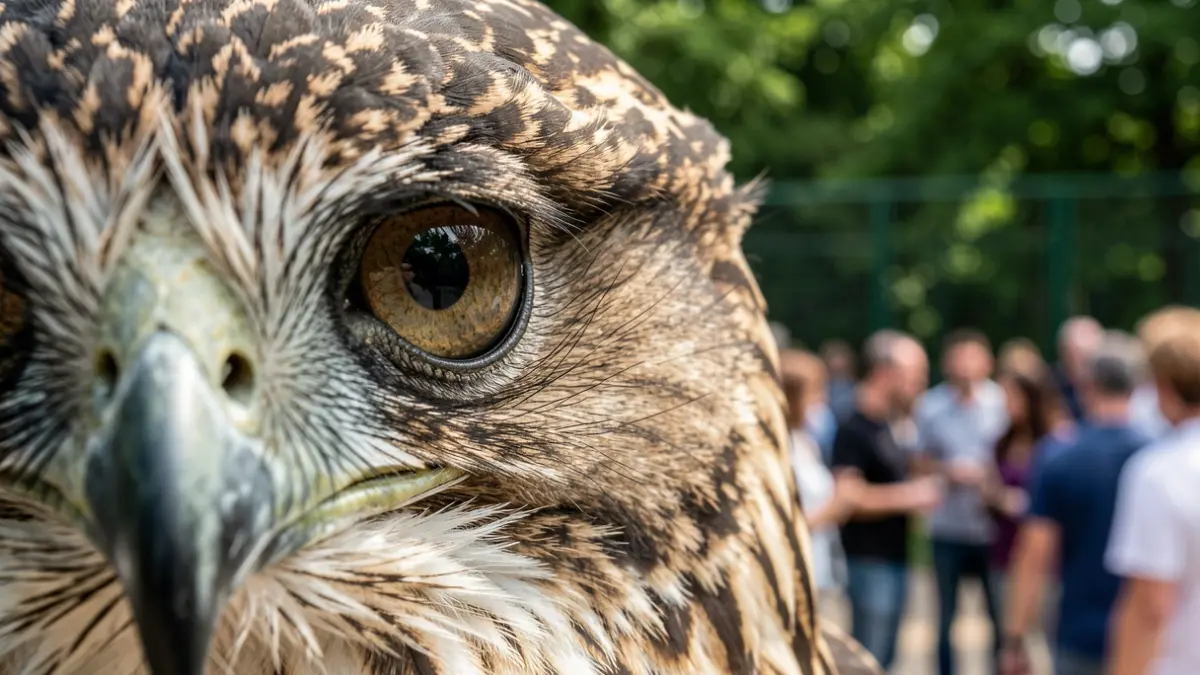
This Wednesday, the first case in birds, which cannot transmit the virus to humans, was confirmed. A golden eagle that died at the Jerez Zoobotanical Garden tested positive. Hours later, another suspected case was confirmed in a cassowary at the same Jerez facilities, leading the municipality to be added to the alerts activated by the Regional Government of Andalusia.
The municipality of Algodonales is also on alert, decreed by the Regional Ministry of Presidency, Health, and Emergencies. Its inclusion followed the detection of a carrier mosquito in the entomological mapping conducted with traps distributed in the area. The alert will remain in place until September 10 if no new cases are detected.
To date, no human cases of the virus have been registered in the province of Cádiz. Across Andalusia, 47 cases have been accumulated this summer, with 32 presenting mild illness and fifteen being neuroinvasive, including one death in Dos Hermanas (Seville) on July 27. Seven people remain hospitalized out of the seventeen who required admission for this disease since the summer began.
Currently, about thirty Andalusian municipalities are on alert. In Cádiz, Jerez and Algodonales are the first to enter this registry this summer. All Andalusian provinces, except Córdoba, have at least one municipality on alert, with Seville being the most affected.
The declaration of alert involves intensifying entomological, animal, and human surveillance in the area, as well as activating community promotion actions and communication to citizens through community pharmacies and nursing staff to adopt necessary protection measures.
Local administrations must reinforce control and treatment measures for disease-transmitting mosquitoes, both in population centers and in locations within 1.5 kilometers identified as larval hotspots or adult refuges, following their Municipal Plan for Surveillance and Control of Vectors.