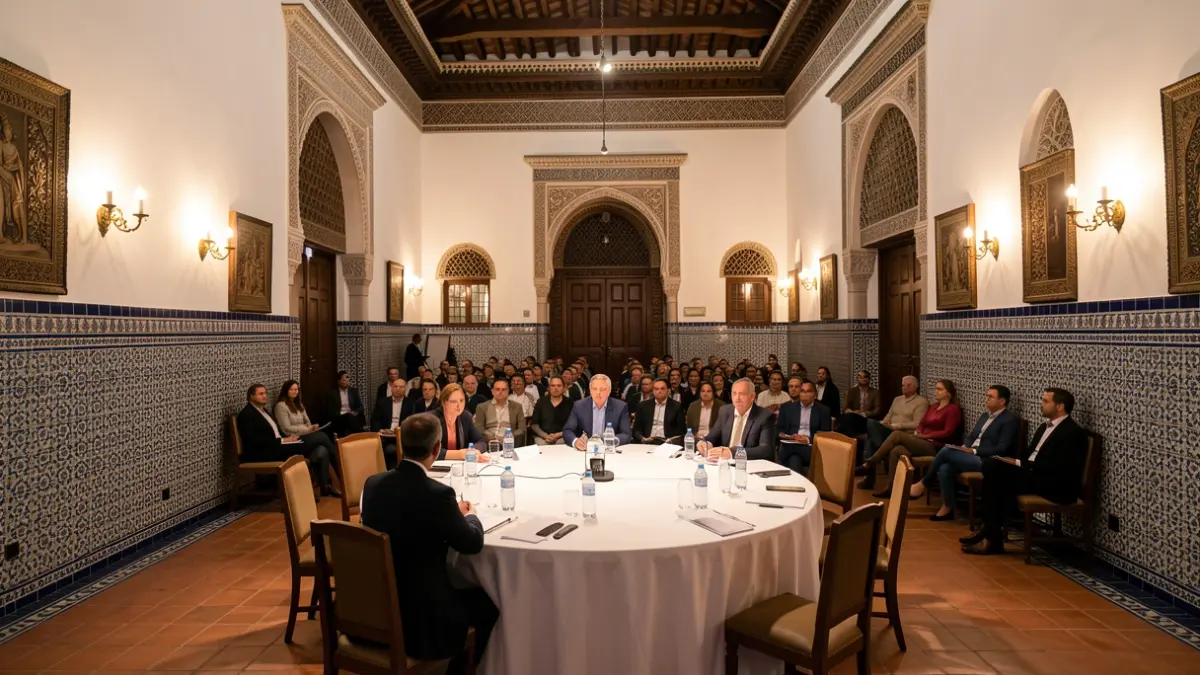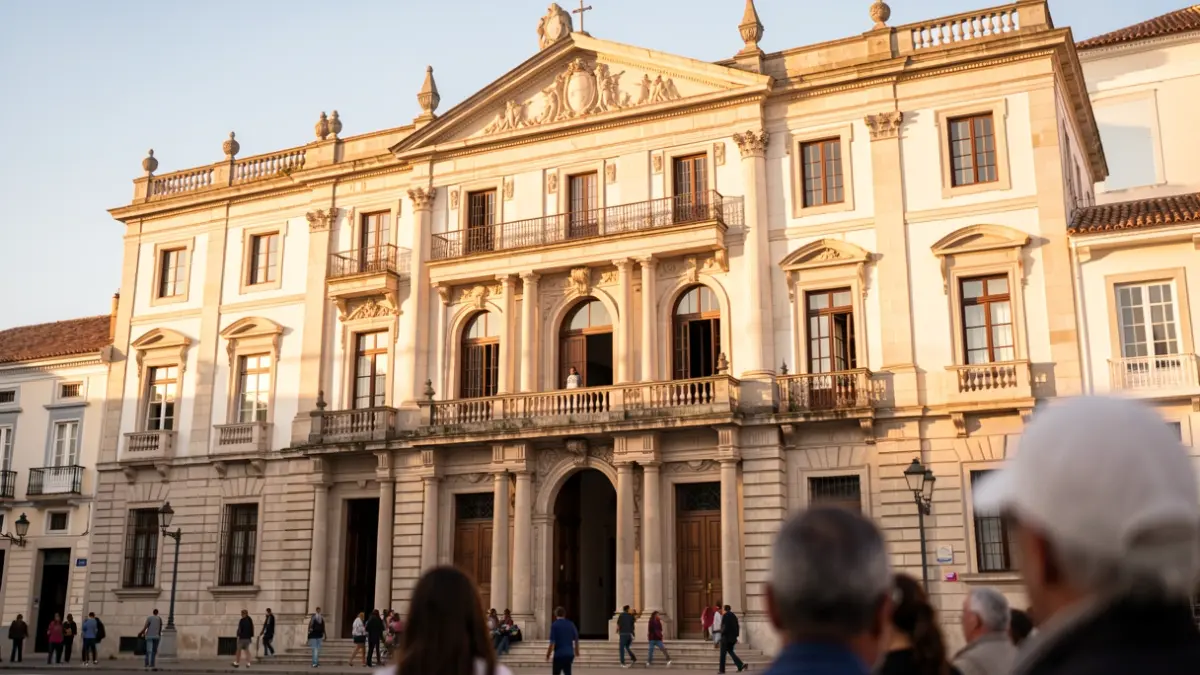
The exhibition, curated by an art expert, recently opened in an event that transformed the area around Candelaria Square and José del Toro street into a vibrant space for artistic coexistence. Soterópolis is integrated into the festival's program, a cultural initiative that seeks to bring contemporary art to the public through various expressions such as plastic arts, installation, and performance.
The exhibition proposal establishes a dialogue between illustration, memory, and Afro-Brazilian culture. Its inauguration was an immersive experience that transcended the traditional format, incorporating music, dance, and capoeira angola, all set with the aromas and flavors of Salvador de Bahía, including the tasting of typical liqueurs and dishes such as cravinho bahiano and mungunzá.
The opening event featured the participation of several artists, including a singer, a guitarist, and a percussionist, as well as a local capoeira angola group. Their involvement helped create an open encounter between contemporary art and rich Afro-Brazilian cultural traditions.
“"Soterópolis, a term that reinterprets 'soteropolitano', the demonym for Salvador de Bahía, is a meeting point for expressions of samba, capoeira, and to a lesser extent, African-matrix religions, centered in the Brazilian city, which arouse passions among people from within and outside it."
The exhibition includes a series of collages created between 2020 and 2026, addressing the theme of African cultural expressions that survived in Bahía after colonization, as well as a sculptural piece. The exhibition can be visited in the FACC hall until June 8, with hours from Monday to Thursday from 10:00 to 14:00 and Fridays from 18:00 to 20:00, with the artist present.
In addition, Soterópolis offers a program of parallel activities open to the public, including an Afro-Brazilian circular dance on May 21 at 20:00 at the Municipal Center for Performing Arts (Arbolí), and a decolonial illustration workshop on May 29 at 11:30 at the Women's Foundation. The initiative seeks a sensitive approach to the cultural connections between Cádiz and the Afro-Atlantic universe, inviting citizens to an artistic experience that goes beyond the exhibition.