AlmeríaCádizCórdobaGranadaHuelvaJaénMálagaSevillaAlpujarra AlmerienseLos VélezComarca Metropolitana de AlmeríaFilabres-TabernasLevante AlmeriensePoniente AlmerienseValle del AlmanzoraBahía de CádizCampiña de JerezCampo de GibraltarCosta NoroesteLa JandaSierra de CádizAlto GuadalquivirCampiña de BaenaCampiña Sur CordobesaLos PedrochesCórdoba (comarca)SubbéticaValle del GuadiatoValle Medio del GuadalquivirAlpujarra GranadinaComarca de AlhamaComarca de BazaComarca de GuadixComarca de HuéscarComarca de LojaCosta GranadinaLos MontesValle de LecrínVega de GranadaEl AndévaloEl Condado de HuelvaCosta OccidentalCuenca MineraComarca Metropolitana de HuelvaSierra de HuelvaÁrea Metropolitana de JaénCampiña de JaénEl Condado (Jaén)La LomaSierra de CazorlaSierra MáginaSierra MorenaSierra de SeguraSierra Sur de JaénLas VillasComarca de AntequeraLa AxarquíaGuadaltebaCosta del Sol OccidentalMálaga Costa del SolNorormaValle del GuadalhorceSerranía de RondaSierra de las NievesAljarafeBajo GuadalquivirCampiña de CarmonaCampiña de Morón y MarchenaComarca de ÉcijaComarca Metropolitana de SevillaSierra Norte de SevillaSierra Sur de SevillaVega del GuadalquivirAlmeríaCádizCórdobaGranadaHuelvaJaénMálagaSevillaAlpujarra AlmerienseLos VélezComarca Metropolitana de AlmeríaFilabres-TabernasLevante AlmeriensePoniente AlmerienseValle del AlmanzoraBahía de CádizCampiña de JerezCampo de GibraltarCosta NoroesteLa JandaSierra de CádizAlto GuadalquivirCampiña de BaenaCampiña Sur CordobesaLos PedrochesCórdoba (comarca)SubbéticaValle del GuadiatoValle Medio del GuadalquivirAlpujarra GranadinaComarca de AlhamaComarca de BazaComarca de GuadixComarca de HuéscarComarca de LojaCosta GranadinaLos MontesValle de LecrínVega de GranadaEl AndévaloEl Condado de HuelvaCosta OccidentalCuenca MineraComarca Metropolitana de HuelvaSierra de HuelvaÁrea Metropolitana de JaénCampiña de JaénEl Condado (Jaén)La LomaSierra de CazorlaSierra MáginaSierra MorenaSierra de SeguraSierra Sur de JaénLas VillasComarca de AntequeraLa AxarquíaGuadaltebaCosta del Sol OccidentalMálaga Costa del SolNorormaValle del GuadalhorceSerranía de RondaSierra de las NievesAljarafeBajo GuadalquivirCampiña de CarmonaCampiña de Morón y MarchenaComarca de ÉcijaComarca Metropolitana de SevillaSierra Norte de SevillaSierra Sur de SevillaVega del Guadalquivir

Less Irrigation for Quality Walnuts: Study in Sierra Nevada

Research by IFAPA and UMH reveals that reducing irrigation by 25% saves water while maintaining yield and fruit quality.

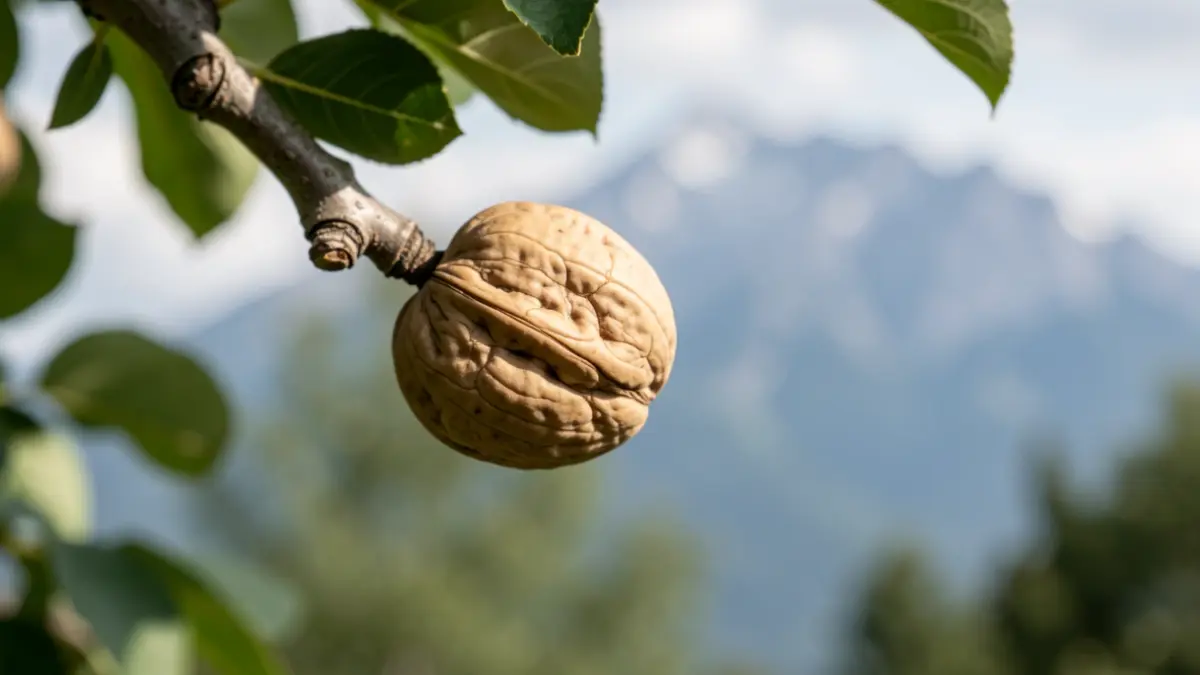
Walnuts on a branch with Sierra Nevada mountains in the background.
IA

Walnuts on a branch with Sierra Nevada mountains in the background.

A three-year study in Lanjarón, Granada, has identified a moderate deficit irrigation strategy that saves water in walnut cultivation without compromising nut yield or quality.

Reducing irrigation can be key to the sustainability of walnut cultivation in water-scarce Mediterranean regions. A mountain plantation in the Sierra Nevada area has been the setting for a study analyzing the effects of different deficit irrigation levels on walnut production and quality.
Specialists from IFAPA and the Miguel Hernández University (UMH) investigated the behavior of the Chandler and Cisco walnut varieties under varying water availability levels. A full irrigation treatment was compared with three deficit irrigation strategies: 75%, 50%, and 33% of demand.
The most balanced strategy, providing 75% of the water needs, achieved an approximate saving of 1,680 cubic meters per hectare, with a 21% reduction in yield. This demonstrates increased water productivity, making better use of each cubic meter.
More severe water restrictions increased production losses: 50% water supply reduced yield by 39%, and 33% reduced it by 50%. The Cisco variety showed greater efficiency and tolerance to water deficit than Chandler.
Fruit quality remained close to that of full irrigation with moderate deficit irrigation. Positive effects were observed on nutritional composition, such as a higher presence of bioactive compounds and essential minerals. The 75% strategy also tended to maintain or improve the fatty acid profile.
Conversely, severe water restrictions negatively affected the size, appearance, and sensory acceptance of the walnuts, increasing bitterness and astringency.
This study is relevant in the context of climate change and water scarcity. Walnut trees, sensitive to water stress, benefit from strategies that reduce consumption without compromising the harvest. Applying 75% of water needs emerges as a viable alternative for more efficient and sustainable cultivation.