This figure represents a significant increase compared to previous years, nearly tripling the 20 registered deaths in the same period of 2024 and far exceeding the previous maximum of 25 fatalities in 2025. The increase compared to last summer is 128%.
The most alarming data is concentrated in the week of June 22 to 28, when an estimated 29 of the 57 deaths occurred. This peak accounts for more than half of the total accumulated in just seven days, an exceptional figure when compared to previous years, which saw 12 deaths in the same week in 2025, two in 2023, and none in 2022 and 2024.
The MoMo system estimates these deaths based on daily mortality data, temperatures provided by AEMET, and population data from the INE. It is important to note that not all heat-attributable deaths are necessarily due to direct 'heatstroke'; the system estimates the broader impact of high temperatures on overall mortality.
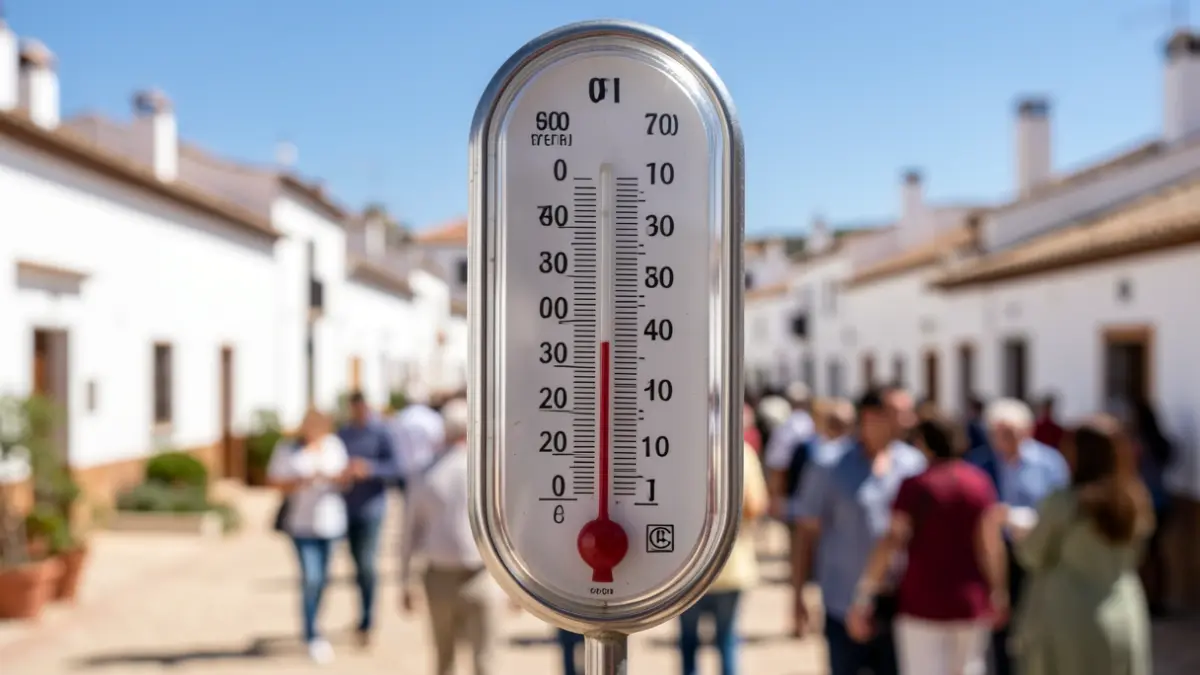
The first major heat episode of the summer, coinciding with AEMET's special alert from June 21 to 24, appears to be the main driver of this mortality peak. During those days, temperatures in Almería exceeded 39 degrees Celsius. On June 23, the first confirmed death from heatstroke of the summer in Andalusia occurred, a 68-year-old man in Almería.
Although the analyzed period concludes on August 9, forecasts indicate a new rise in temperatures, with maximums exceeding 40 degrees Celsius in several parts of the Iberian Peninsula. This suggests that the figure of 57 fatalities may continue to increase in the coming days.