AlmeríaCádizCórdobaGranadaHuelvaJaénMálagaSevillaAlpujarra AlmerienseLos VélezComarca Metropolitana de AlmeríaFilabres-TabernasLevante AlmeriensePoniente AlmerienseValle del AlmanzoraBahía de CádizCampiña de JerezCampo de GibraltarCosta NoroesteLa JandaSierra de CádizAlto GuadalquivirCampiña de BaenaCampiña Sur CordobesaLos PedrochesCórdoba (comarca)SubbéticaValle del GuadiatoValle Medio del GuadalquivirAlpujarra GranadinaComarca de AlhamaComarca de BazaComarca de GuadixComarca de HuéscarComarca de LojaCosta GranadinaLos MontesValle de LecrínVega de GranadaEl AndévaloEl Condado de HuelvaCosta OccidentalCuenca MineraComarca Metropolitana de HuelvaSierra de HuelvaÁrea Metropolitana de JaénCampiña de JaénEl Condado (Jaén)La LomaSierra de CazorlaSierra MáginaSierra MorenaSierra de SeguraSierra Sur de JaénLas VillasComarca de AntequeraLa AxarquíaGuadaltebaCosta del Sol OccidentalMálaga Costa del SolNorormaValle del GuadalhorceSerranía de RondaSierra de las NievesAljarafeBajo GuadalquivirCampiña de CarmonaCampiña de Morón y MarchenaComarca de ÉcijaComarca Metropolitana de SevillaSierra Norte de SevillaSierra Sur de SevillaVega del GuadalquivirAlmeríaCádizCórdobaGranadaHuelvaJaénMálagaSevillaAlpujarra AlmerienseLos VélezComarca Metropolitana de AlmeríaFilabres-TabernasLevante AlmeriensePoniente AlmerienseValle del AlmanzoraBahía de CádizCampiña de JerezCampo de GibraltarCosta NoroesteLa JandaSierra de CádizAlto GuadalquivirCampiña de BaenaCampiña Sur CordobesaLos PedrochesCórdoba (comarca)SubbéticaValle del GuadiatoValle Medio del GuadalquivirAlpujarra GranadinaComarca de AlhamaComarca de BazaComarca de GuadixComarca de HuéscarComarca de LojaCosta GranadinaLos MontesValle de LecrínVega de GranadaEl AndévaloEl Condado de HuelvaCosta OccidentalCuenca MineraComarca Metropolitana de HuelvaSierra de HuelvaÁrea Metropolitana de JaénCampiña de JaénEl Condado (Jaén)La LomaSierra de CazorlaSierra MáginaSierra MorenaSierra de SeguraSierra Sur de JaénLas VillasComarca de AntequeraLa AxarquíaGuadaltebaCosta del Sol OccidentalMálaga Costa del SolNorormaValle del GuadalhorceSerranía de RondaSierra de las NievesAljarafeBajo GuadalquivirCampiña de CarmonaCampiña de Morón y MarchenaComarca de ÉcijaComarca Metropolitana de SevillaSierra Norte de SevillaSierra Sur de SevillaVega del Guadalquivir

Almería Mining Village with Unique Architecture Captures National Geographic's Attention

The prestigious magazine highlights the Santa Bárbara hermitage in Las Menas de Serón, an enclave with a distinct architectural style in Andalusia.

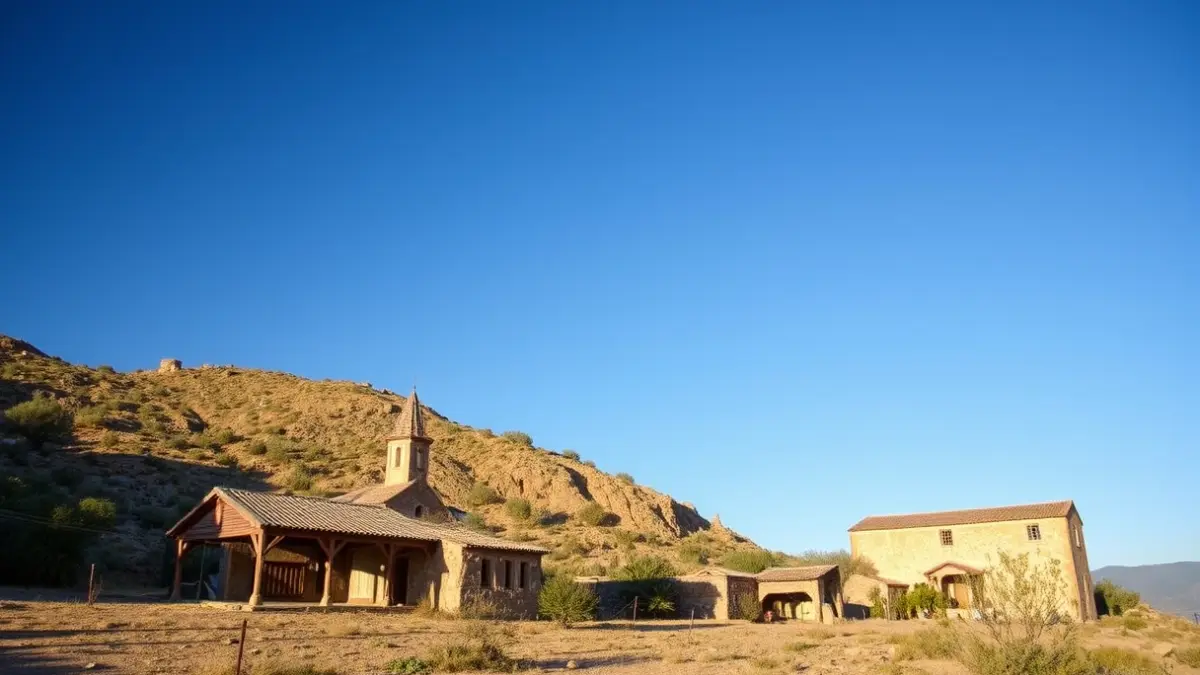
View of the old mining village of Las Menas de Serón in Almería, with its Central European style hermitage.
IA

View of the old mining village of Las Menas de Serón in Almería, with its Central European style hermitage.

The old mining village of Las Menas de Serón, located in the Sierra de Los Filabres in Almería, has been featured in a National Geographic report, highlighting its unique architecture, especially the Santa Bárbara hermitage.

This enclave, which at first glance might evoke Swiss landscapes due to its architecture and occasional snowfalls, is nestled in the heart of the Sierra de Los Filabres. The attention from a publication of National Geographic's stature on such a particular corner of inland Almería is a remarkable event, bringing into focus a place that, for many, had gone unnoticed.
The report, recently published on their travel website, emphasizes the local architecture, describing it as Central European in style. The Santa Bárbara hermitage, built in 1911, is the most distinctive element, with its red spire bell tower and a design that sharply contrasts with traditional Andalusian architecture. The magazine suggests that the construction appears to have been “transported brick by brick from Central Europe,” making it an exceptional architectural piece within the provincial heritage.

"The Santa Bárbara hermitage appears to have been “transported brick by brick from Central Europe."

the report's author
For the Almanzora region, which faces challenges such as depopulation, this type of recognition goes beyond mere tourist curiosity. It represents a valuable opportunity to revitalize and enhance an architectural and cultural heritage that has been abandoned for years.
The village's origin dates back to the late 19th century, when the subsoil of the Filabres attracted major European mining companies, first for lead and then for high-quality iron starting in 1885. Belgian, British, and Dutch companies established themselves in the area, building a complete village with all necessary infrastructure for their workers, including the hermitage, worker pavilions, a hospital, commissary, school, and cinema. This settlement eventually housed around 2,000 people at its peak.
The architectural style, featuring stone load-bearing walls, exposed brick edges, steeply pitched roofs for snow drainage, interiors with white Macael marble staircases, and central heating systems, reflects the influence of its builders. However, with the decline of mining in 1968, the once-prosperous village was abandoned and deteriorated, leaving its peculiar buildings as witnesses to a glorious past.