AlmeríaCádizCórdobaGranadaHuelvaJaénMálagaSevillaAlpujarra AlmerienseLos VélezComarca Metropolitana de AlmeríaFilabres-TabernasLevante AlmeriensePoniente AlmerienseValle del AlmanzoraBahía de CádizCampiña de JerezCampo de GibraltarCosta NoroesteLa JandaSierra de CádizAlto GuadalquivirCampiña de BaenaCampiña Sur CordobesaLos PedrochesCórdoba (comarca)SubbéticaValle del GuadiatoValle Medio del GuadalquivirAlpujarra GranadinaComarca de AlhamaComarca de BazaComarca de GuadixComarca de HuéscarComarca de LojaCosta GranadinaLos MontesValle de LecrínVega de GranadaEl AndévaloEl Condado de HuelvaCosta OccidentalCuenca MineraComarca Metropolitana de HuelvaSierra de HuelvaÁrea Metropolitana de JaénCampiña de JaénEl Condado (Jaén)La LomaSierra de CazorlaSierra MáginaSierra MorenaSierra de SeguraSierra Sur de JaénLas VillasComarca de AntequeraLa AxarquíaGuadaltebaCosta del Sol OccidentalMálaga Costa del SolNorormaValle del GuadalhorceSerranía de RondaSierra de las NievesAljarafeBajo GuadalquivirCampiña de CarmonaCampiña de Morón y MarchenaComarca de ÉcijaComarca Metropolitana de SevillaSierra Norte de SevillaSierra Sur de SevillaVega del GuadalquivirAlmeríaCádizCórdobaGranadaHuelvaJaénMálagaSevillaAlpujarra AlmerienseLos VélezComarca Metropolitana de AlmeríaFilabres-TabernasLevante AlmeriensePoniente AlmerienseValle del AlmanzoraBahía de CádizCampiña de JerezCampo de GibraltarCosta NoroesteLa JandaSierra de CádizAlto GuadalquivirCampiña de BaenaCampiña Sur CordobesaLos PedrochesCórdoba (comarca)SubbéticaValle del GuadiatoValle Medio del GuadalquivirAlpujarra GranadinaComarca de AlhamaComarca de BazaComarca de GuadixComarca de HuéscarComarca de LojaCosta GranadinaLos MontesValle de LecrínVega de GranadaEl AndévaloEl Condado de HuelvaCosta OccidentalCuenca MineraComarca Metropolitana de HuelvaSierra de HuelvaÁrea Metropolitana de JaénCampiña de JaénEl Condado (Jaén)La LomaSierra de CazorlaSierra MáginaSierra MorenaSierra de SeguraSierra Sur de JaénLas VillasComarca de AntequeraLa AxarquíaGuadaltebaCosta del Sol OccidentalMálaga Costa del SolNorormaValle del GuadalhorceSerranía de RondaSierra de las NievesAljarafeBajo GuadalquivirCampiña de CarmonaCampiña de Morón y MarchenaComarca de ÉcijaComarca Metropolitana de SevillaSierra Norte de SevillaSierra Sur de SevillaVega del Guadalquivir

Almería Manages Regularization of Up to 50,000 People with Queue-Free System

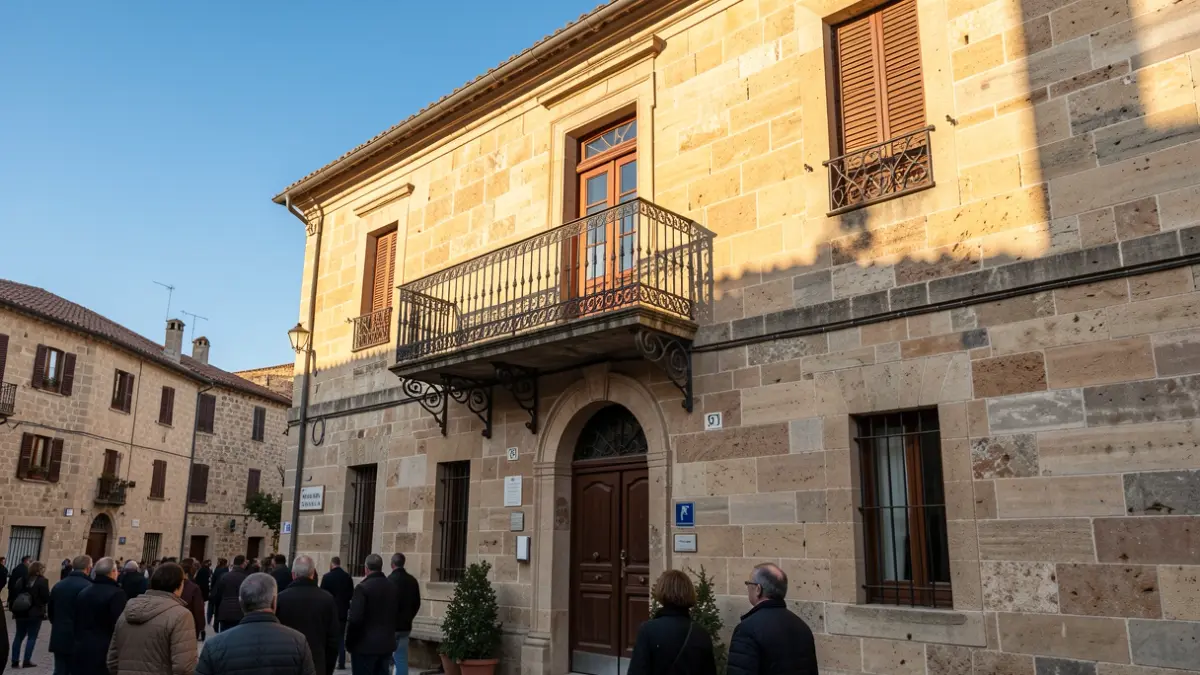
The implementation of mandatory prior appointments has transformed the process, eliminating initial crowds and streamlining attention at offices.

Generic image of official documents and a pen on a table.
IA

Generic image of official documents and a pen on a table.

The province of Almería has successfully transformed its immigrant regularization process, moving from initial crowds to an organized, queue-free system thanks to the implementation of mandatory prior appointments.

After several days of saturation at various administrative offices such as Extranjería (Immigration Office), Correos (Post Office), and local councils, the situation in Almería has dramatically changed. The start of the in-person phase for immigrant regularization, which now requires a prior appointment, has allowed for a staggered flow and efficient service, eliminating long waits.
The main challenge was not the processing itself, but the preliminary requirements. The regularization process demands proof of presence in Spain before January 1, 2026, and continuous residency for at least five months, in addition to providing official documentation or justifying personal circumstances. This documentary filter was the cause of the initial surges at local councils, consulates, and social entities throughout the province.
Estimates suggest that between 30,000 and 50,000 people could regularize their status in the province, a figure that will have a significant impact on the local demographic landscape. Official data already show over 20,000 applications, and the final outcome will depend on the processing pace until June 30, the deadline for the process.

"The volume of the process is what makes the difference. Estimates place the potential for regularization in the province at between 30,000 and 50,000 people, a figure that changes the scale of the local migratory phenomenon."

a spokesperson
Currently, over 86,000 foreign workers are affiliated with the Social Security system in Almería, representing more than 25% of the provincial total. With the anticipated regularizations, the foreign population could increase to between 27.9% and 29.1% of the total inhabitants, approaching the threshold of one in three foreign residents by 2026.
This process will have a direct effect on key sectors such as agriculture, processing, construction, transport, and hospitality, which heavily rely on foreign workers. Regularization will allow thousands of individuals to obtain legal contracts, contribute to social security, and access labor rights, while also helping businesses fill vacancies in a strained labor market.