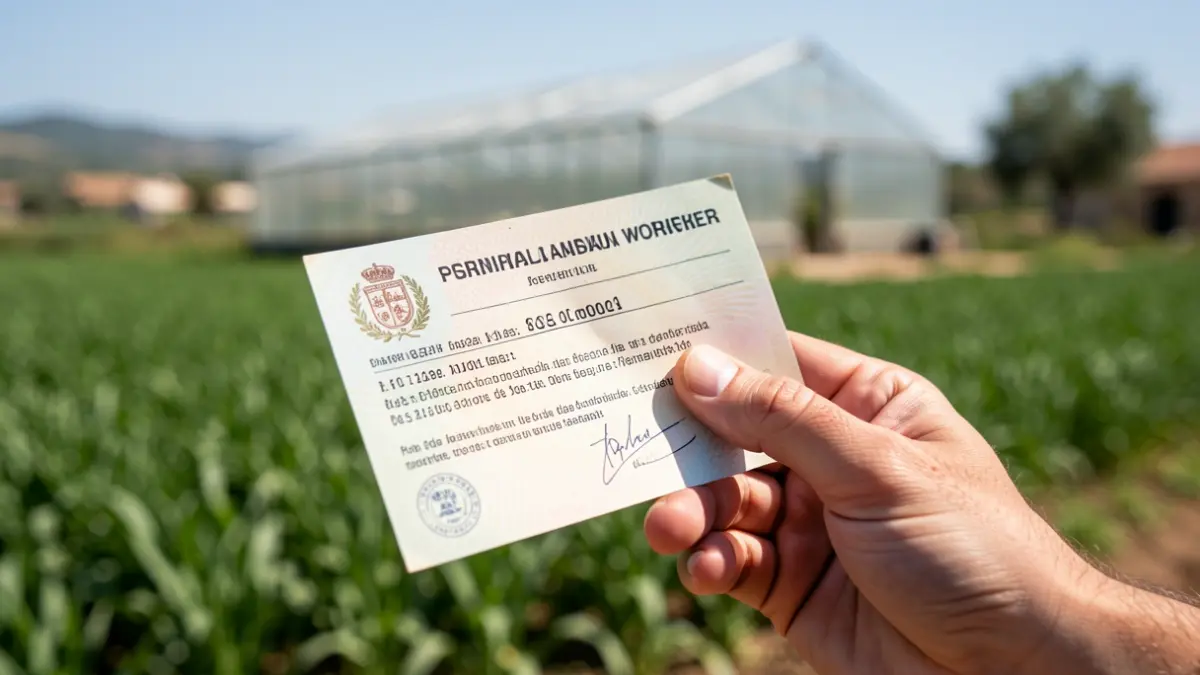
The province of Almería faces the possibility of regularizing the status of up to 25,000 agricultural workers who currently operate without documentation. This figure, drawn from a report by the Andalusian Association Pro Human Rights (APDHA) and incorporated into a scientific study, highlights the dependence of Almería's agricultural sector on migrant labor, often outside official records.
According to Social Security data, between January and September 2025, the province registered an average of 36,500 foreign workers affiliated with the Special Agrarian System per month. However, researchers emphasize that these figures do not include those working informally, estimating 25,000 individuals in this situation in the Almería countryside.
The coincidence of this estimate with the extraordinary regularization process for migrants in irregular situations in Spain, which requires proof of residency time and no criminal record, opens a potential pathway for a significant portion of these workers. While not all will automatically obtain authorization, it opens a door to formalizing employment, social security contributions, and greater stability.
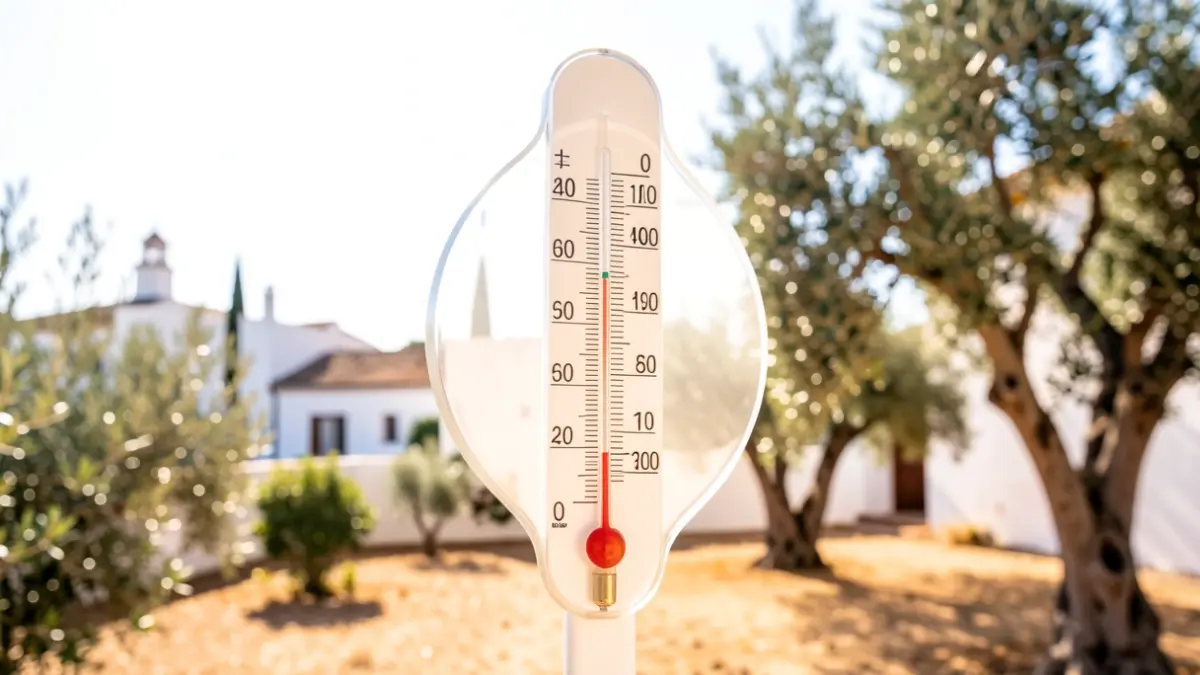
The research, titled “Lived experiences of heat stress among migrant agricultural workers in Spain: a qualitative study” and published in 2026, was conducted in Almería, Huelva, and Lleida. The study highlights the uniqueness of the Almería case, Europe's leading center for intensive greenhouse agriculture with year-round activity.
Working conditions and measures against heat vary by farm. In Almería, the agricultural agreement advances summer working hours to early morning to mitigate extreme temperatures inside greenhouses, an adaptation already common on many farms.
The data on 25,000 informal workers comes from a previous APDHA report on rights violations in settlements, which also indicated that around 7,000 people lived in informal settlements in Almería, many of them migrant workers linked to agricultural activity.