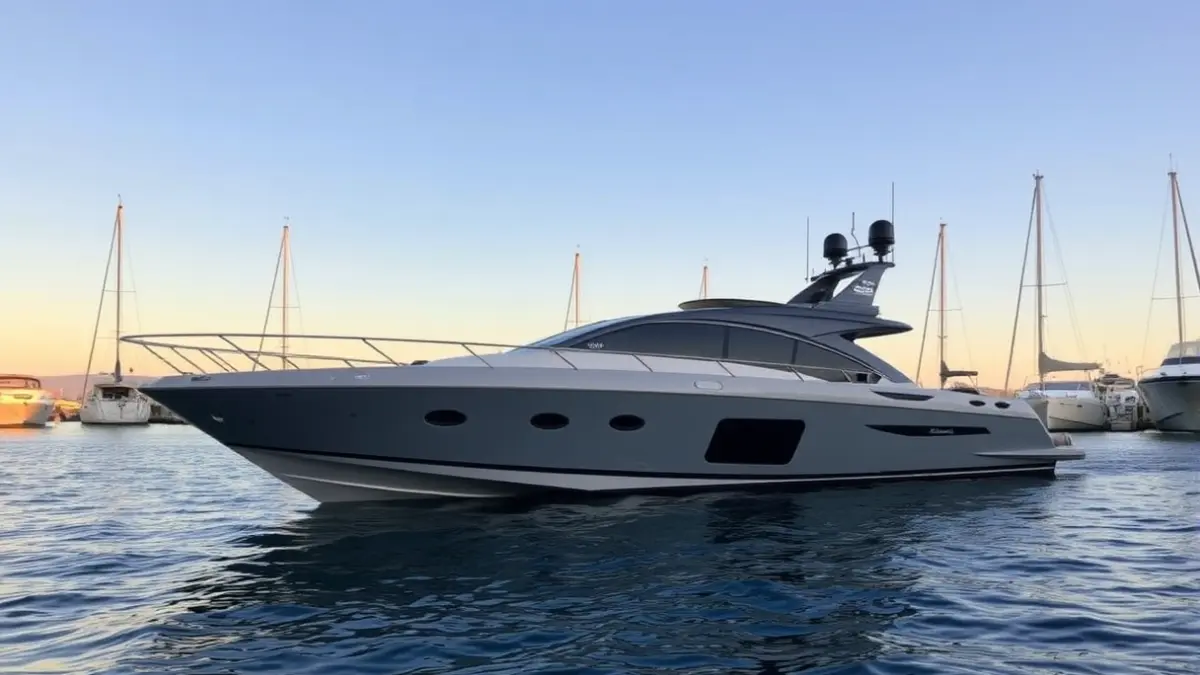
The eagerly awaited vessel, a Rodman 55 Audaz model, docked in the port of Almería last Thursday, April 23. This unit, designed for direct interception, will now undergo a period of testing and adaptation of its systems and crews, with full operational readiness expected in the coming weeks.
With a length of over 17 meters and power allowing it to reach speeds close to 60 knots, this patrol boat represents a qualitative leap in response capability against 'go fast narco-boats'. Its rigid hull structure also provides greater stability and resistance, enhancing crew safety during high-speed pursuits and adverse sea conditions.
This addition is part of a broader state plan by the State Tax Administration Agency, aiming to fortify maritime resources against drug trafficking. The batch includes eight vessels strategically distributed, with three allocated to Cádiz, three to the eastern Andalusia area (covering Almería, Motril, and Málaga), and the remaining two reinforcing the Spanish Levante.
However, the arrival of this modern patrol boat contrasts with the situation of the Civil Guard's Maritime Service in Almería, which continues to operate with an aging fleet and no concrete dates for the reception of new units promised by the Ministry of Interior. This disparity causes discomfort among professionals, who have repeatedly denounced the obsolescence of their equipment, especially after incidents such as the one suffered by a patrol boat near Cabo de Gata, which was damaged during a pursuit.
The province of Almería has become a critical point for drug trafficking, with increased activity of narco-boats, the phenomenon of 'petaqueo' (fuel supply at sea), and the constant arrival of migrant boats. This multi-front scenario demands a diversification of resources that are often operating at their capacity limits, making the modernization of all involved security forces even more urgent.