The Lora del Río City Council has initiated the Cota 34 Plan, an initiative funded with 200,000 euros from its own resources. This project aims to implement corrective measures to prevent future floods in various parts of the municipality, thereby enhancing citizen safety against intense rainfall and surges from the Guadalquivir River and the Churre stream.
This plan follows a technical analysis conducted after the floods in February. The study identified vulnerable points within the municipality to design specific actions that will raise the hydraulic protection to level 34, considered an effective barrier against fluvial water entering through the sewage system.
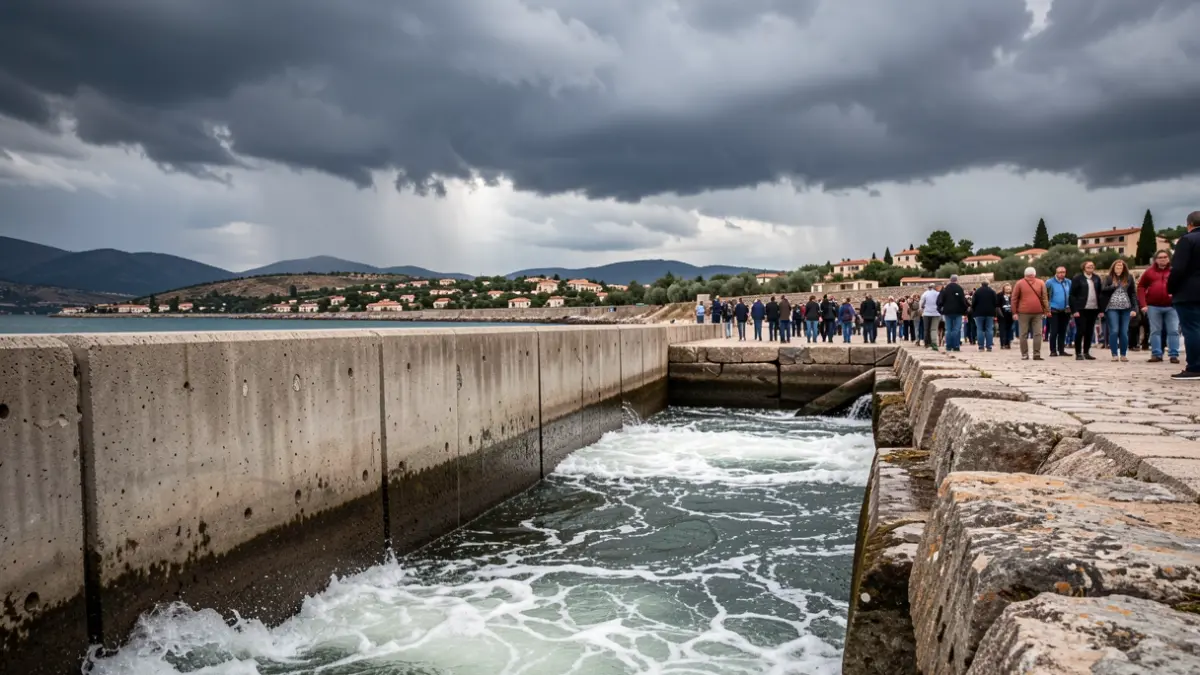
Mayor Antonio Enamorado highlighted the council's ongoing efforts to improve response capabilities for extreme rainfall events, referencing previous projects like the storm tank and pumping station, which were crucial during the February rains. The only notable incident occurred in the El Calerín area, where water from the Churre stream entered through overflow outlets, causing localized flooding, which underscores the need for new measures to secure these sensitive zones.
Municipal architect Benjamín Terencio provided technical details, explaining that the system will prevent fluvial water from entering the sewage network. The Cota 34 Plan includes the installation of seven automated flap gates and ten manually activated sluice gates at strategic points, acting as physical barriers to prevent backflow.
The works will be awarded through an emergency procedure and are scheduled for execution during the summer months to be fully operational before the anticipated new rains at the end of 2026. Furthermore, a second phase, the Cota 37 Plan, was announced with an investment exceeding one million euros, for which external funding will be sought. This phase will involve raising the defense wall in El Calerín.
The mayor concluded by emphasizing that this represents a comprehensive, long-term strategy to prepare Lora del Río for increasingly extreme weather phenomena, ensuring actions are taken with planning, technical rigor, and institutional responsibility.