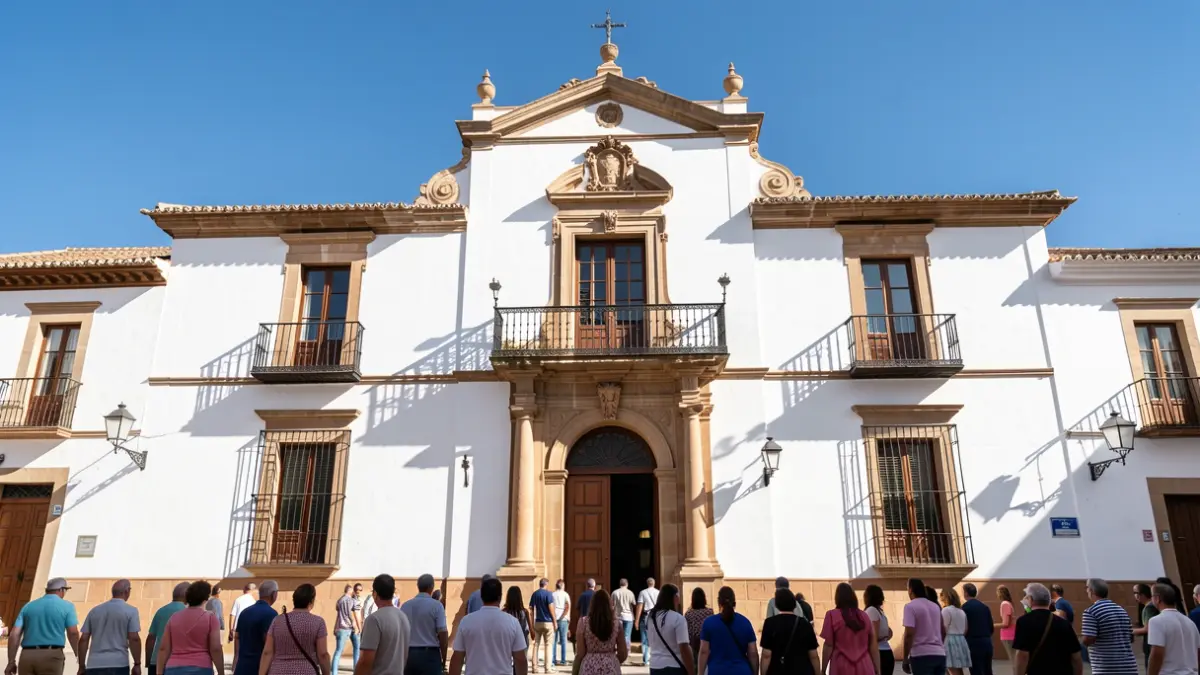
Preparations for this significant event have been underway since last year, aiming to highlight the figure of this historical character who, despite his relevance in America, remains largely unknown in Spain, even in his hometown. In the United States, however, his legacy is recognized with streets, squares, and monuments.
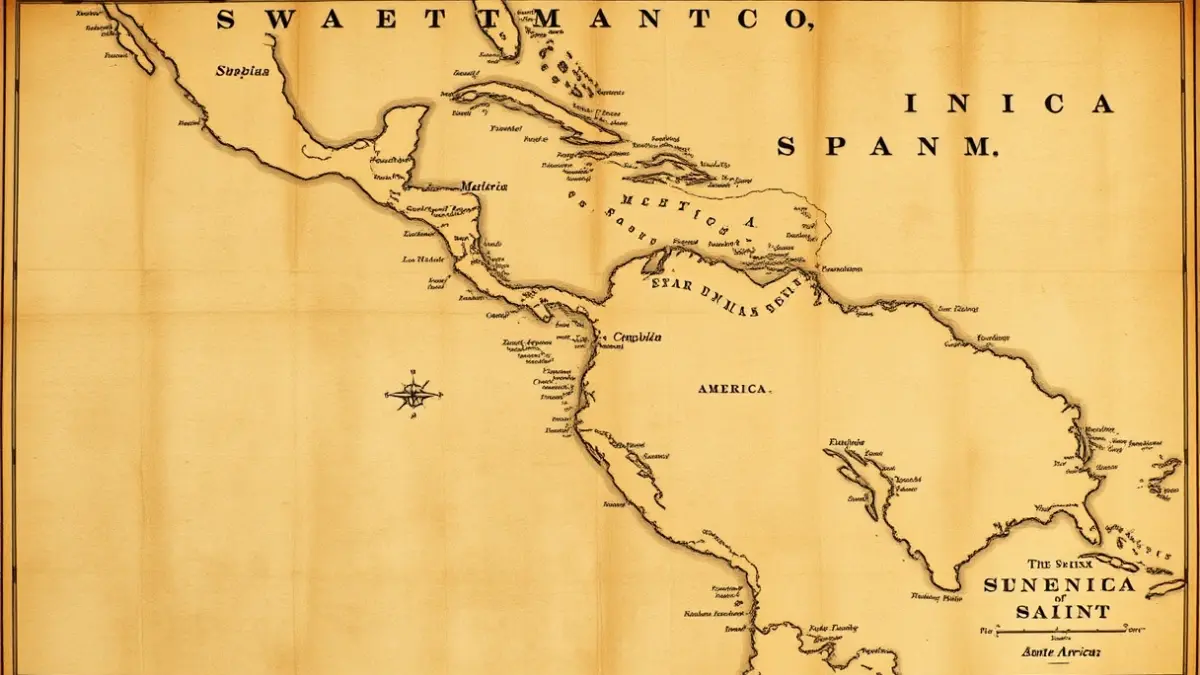
This officer, born in Bailén in 1727 and deceased in Chihuahua in 1784, was a fundamental piece in the continuation of the discovery of the North American west coast. His participation was key in the founding of cities like San José and Los Angeles, within a context of changing Bourbon policy to increase colonial exploitation and secure Spanish hegemony overseas.
He arrived in New Spain in 1764, as part of a group of officers sent by Carlos III. His financial skills and merit earned him numerous promotions, eventually becoming the fourth governor of the Californias. Despite scarce resources and constant attacks from native tribes, he managed to found numerous settlements that eventually grew into major cities.
“"The City Council seeks to relaunch his figure and bring it closer to the people of Bailén and the rest of Spain, as he is largely unknown to the general public despite the importance of the work he carried out in America, founding, among others, one of the best-known cities on the planet: Los Angeles."
Among his most notable achievements are the founding of San José de Guadalupe (present-day San José) on November 29, 1777, and Nuestra Señora la Reina de los Ángeles del Río Porciúncula (Los Angeles) on September 4, 1781. In 1783, he was promoted to brigadier and decorated with the Cross of Carlos III, dying a year later without being able to return to Spain.
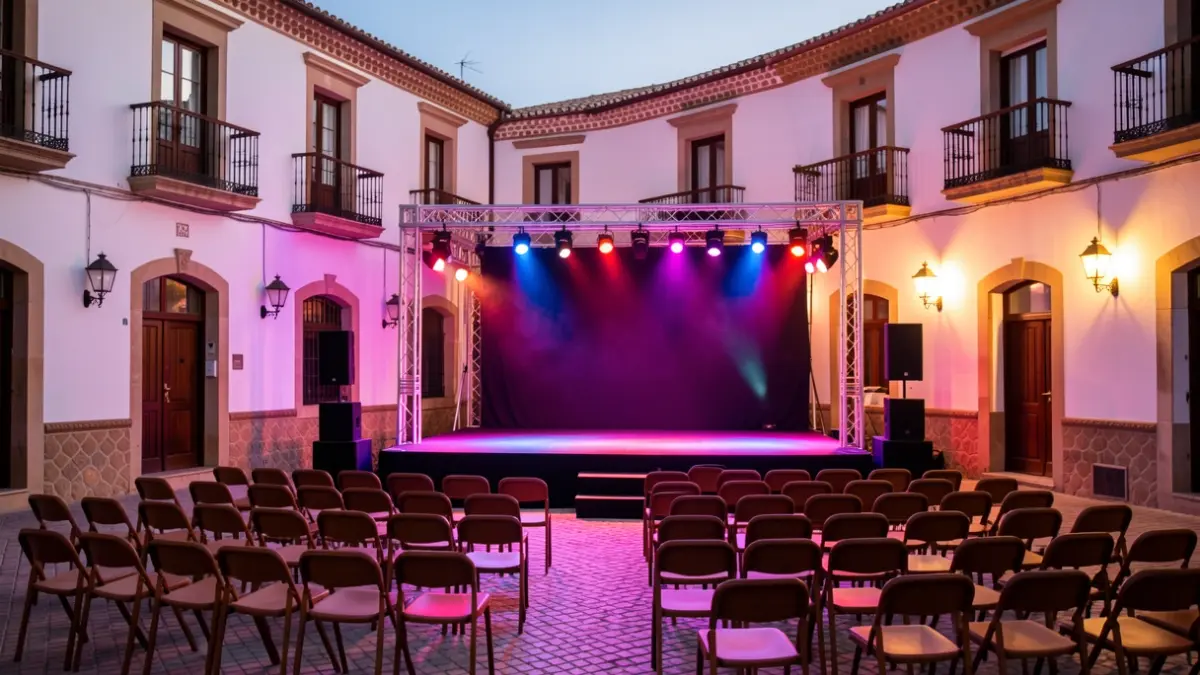
To honor his legacy, the Bailén City Council has organized a broad program of activities that will culminate in a twinning with the city of Los Angeles. These include exhibitions, music and theater cycles, an international congress, and the creation of a monument in Bailén, near his birthplace.