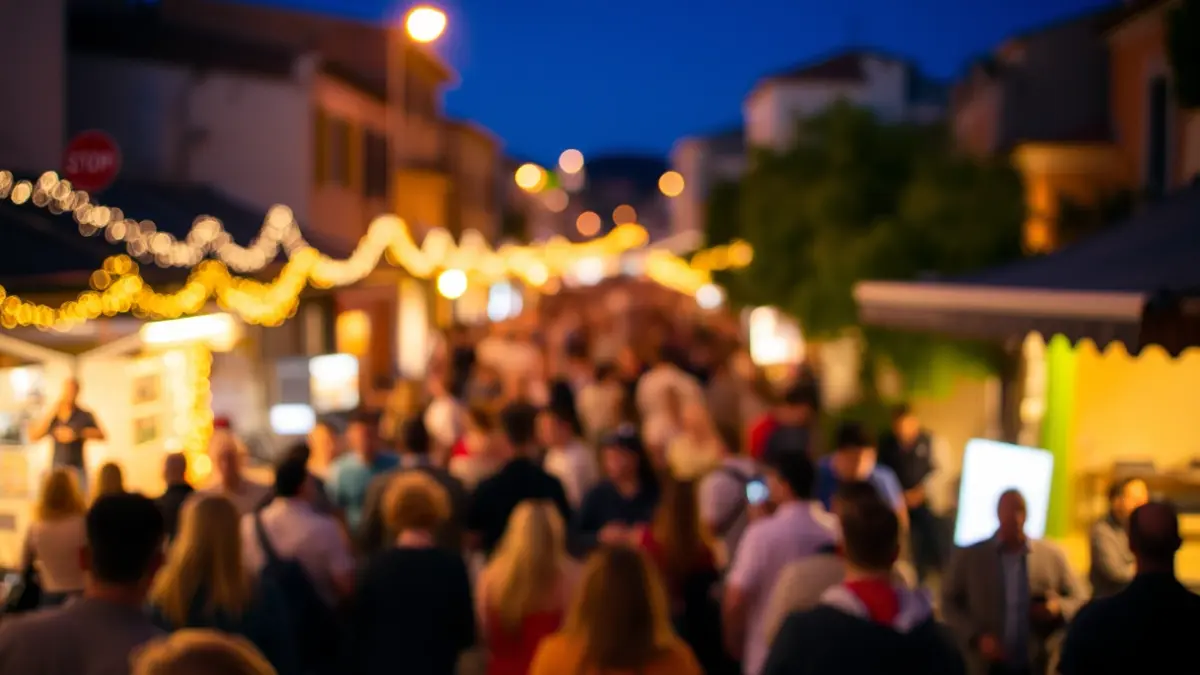
The Feria de Abril 2026 in Seville, set to begin on Monday, April 20, is preparing to transform the city into a major festive hub. Thousands of people will gather at the Real, where over 1,000 casetas are spread across a 450,000 square meter fairground, in an atmosphere of art, music, and tradition.
However, alongside its physical celebration, the Fair has also become a significant phenomenon on digital platforms. Each year, thousands of users share images and videos of their experience on platforms like Instagram or X, extending the reach of the festival. In this digital context, the hashtag #papagorda has generated considerable controversy, having gone viral in recent years.
This term, which gained popularity on X (formerly Twitter) during the 2019 Fair, groups posts primarily showing individuals in an evident state of intoxication. Many of these videos are recorded and shared without the knowledge or consent of the people appearing in them, a practice that is renewed annually, with #papagorda25 being the latest iteration.
“"The dissemination of images of intoxicated individuals without their consent can constitute a violation of data protection regulations, as well as the right to honor, personal privacy, and one's own image."
The Audiovisual Council of Andalusia (CAA) has repeatedly warned about the legal implications of this practice. The body reminds that sharing such images without consent can violate data protection regulations and the right to honor, personal privacy, and one's own image, protected by Article 18 of the Spanish Constitution.
Those responsible for recording and disseminating this type of content could face financial penalties. Fines can reach up to 10,000 euros, according to civil protection legislation concerning the right to honor and image. In more severe cases, the Spanish Data Protection Agency (AEPD) considers higher penalties, ranging from 40,000 to 300,000 euros.
The CAA emphasizes that being in a public space does not automatically imply a waiver of these rights, especially when images allow individuals to be identified and are widely disseminated without their authorization. This criterion is particularly relevant at large events like the Seville Fair 2026, where public exposure and content virality intensify.