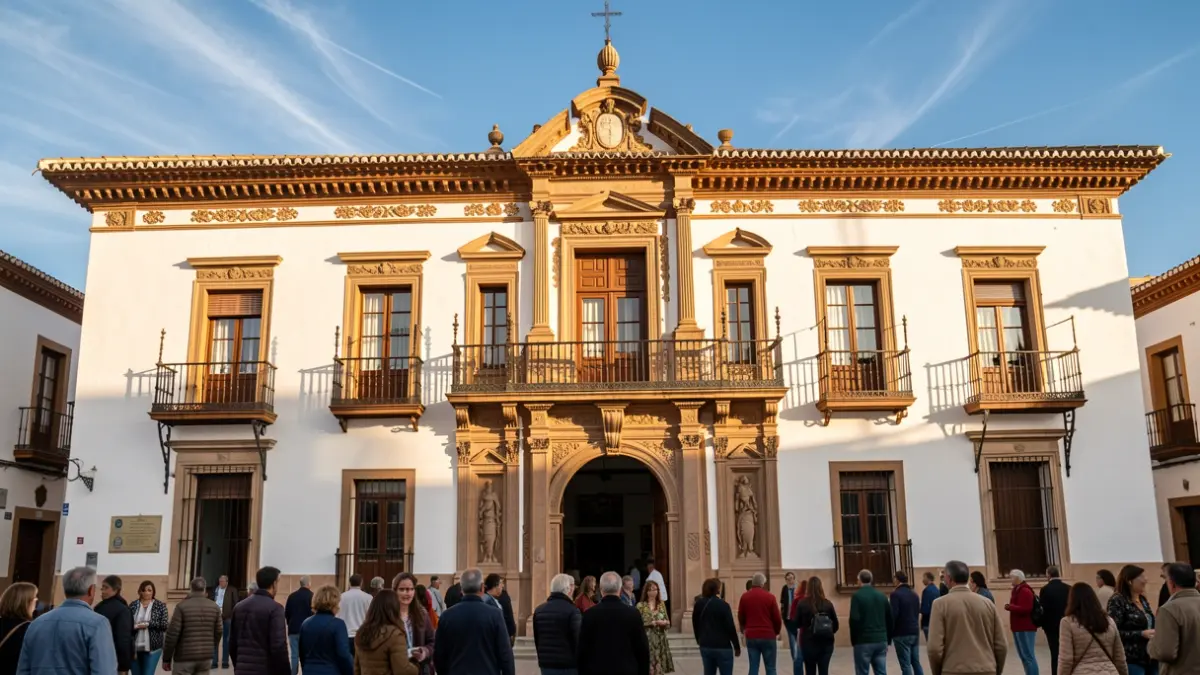
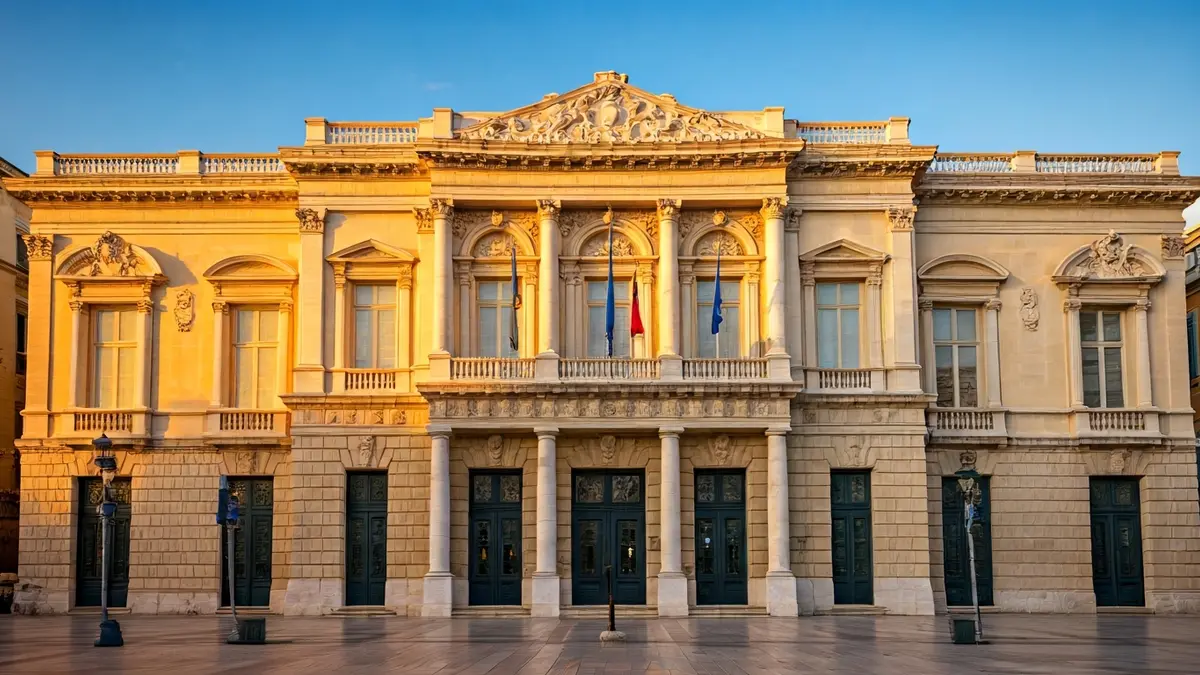
The Archaeological Museum of Seville, a key heritage landmark in Andalusia and the Sevillian capital, has been closed to the public since 2020, although renovation work did not begin until 2024. The request comes from the Partido Popular municipal group, which criticizes the "uncertainty" generated by the recent announcement from the central government, placing the definitive reopening in 2029, despite initial estimates for completion in 2027.
It is unacceptable to deprive Seville of this cultural space given the proximity of strategic events such as the centenary of the Generation of '27 and the Ibero-American Exposition of 1929.
This delay has been described as a "continuous series of grievances" and a "disregard" by Pedro Sánchez's Executive towards the city. The PP emphasized in a written statement the importance of this space, recalling that the building itself served as the Fine Arts pavilion during the 1929 Ibero-American Exposition.
The prolonged works prevent access to highly valuable pieces such as the Carambolo treasure, the bust of Hadrian, and the Trajan marble sculpture, both from Itálica. This situation, according to the groups, "negatively affects the city's cultural and educational fabric," considering that in 2019 the museum received over 70,000 visitors.
The City Council plenary has agreed to request from the Ministry of Culture a "public and binding timeline for the completion of the works," as well as "detailed information on the actual state of execution, the definitive budget – estimated at 33 million euros – and the definitive opening date." They also demand an end to the "lack of clear public information," which, in their view, increases the perception of "institutional abandonment" by the Culture portfolio towards the Sevillian capital.
The latest development at the Archaeological Museum was the appointment of archaeologist and museum conservator Antonio Pérez Paz as the new director on March 12, succeeding Marisol Gil de los Reyes.