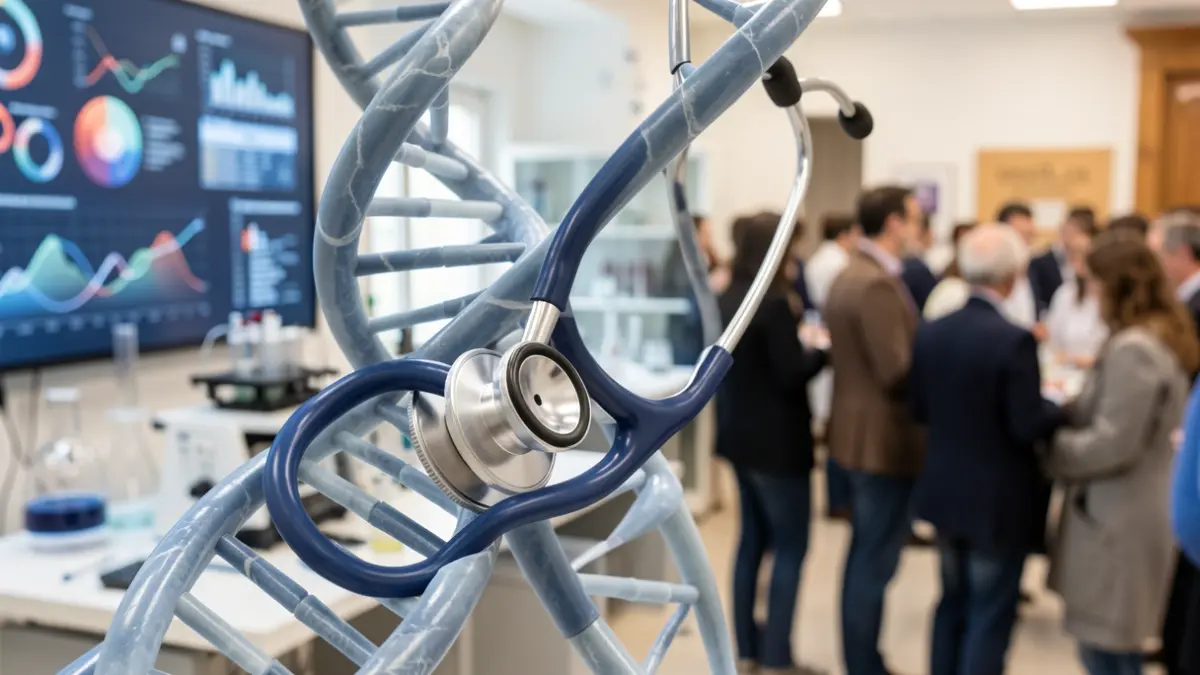
These projects are part of the national call for the XXIII Medical Research Grants, distributing 2.3 million euros across 21 studies throughout Spain. The Andalusian projects focus on areas of high health relevance.
In Seville, clinical psychologist Manuel Canal Rivero will lead the TRACES-Youth project, developed with the Polytechnic University of Madrid. This study will use artificial intelligence to improve the early detection of suicidal behavior risk in young people, analyzing not only the content but also the manner of communication to facilitate earlier assessment in child and adolescent mental health.
The Virgen del Rocío University Hospital in Seville will also head a study on dual kidney and hematopoietic stem cell transplantation. The team led by hematologist José Antonio Pérez Simón will investigate the feasibility of simultaneously transplanting selected hematopoietic stem cells and a kidney from the same donor to induce long-lasting immunological tolerance, aiming to offer an alternative for patients with limited transplant options.
The city of Córdoba will host two research projects from the Reina Sofía Hospital. The ProLung Time BIOBANK project, directed by Eloísa Ruiz, will study mechanisms for preserving lungs at 10 degrees Celsius before transplantation for longer periods, identifying biomarkers to predict graft quality. The second project, HERA-TEST, led by oncologist Juan de la Haba, will develop a non-invasive test using breast milk for the early detection of postpartum breast cancer, addressing current diagnostic delays.
Finally, in Granada, the team of Luis Javier Martínez González, a researcher at GENYO and ibs.GRANADA, will search for blood biomarkers to alert to the appearance of tumors in patients with Li-Fraumeni syndrome before they can be detected by imaging tests.
The Mutua Madrileña Foundation has allocated a total of 75 million euros to medical research in Spain over the past two decades. The initiative has supported projects in hospitals, research institutes, and universities, focusing this year on transplants, rare childhood diseases, severe traumatological injuries, oncology (breast cancer), and child and adolescent mental health.
Some studies will be collaborative, involving teams from different autonomous communities, including a sixth Andalusian project from the Reina Sofía on lung transplantation. In total, the foundation will support research groups from 25 healthcare and scientific centers across 12 autonomous communities. The award ceremony took place last Wednesday in Madrid.