AlmeríaCádizCórdobaGranadaHuelvaJaénMálagaSevillaAlpujarra AlmerienseLos VélezComarca Metropolitana de AlmeríaFilabres-TabernasLevante AlmeriensePoniente AlmerienseValle del AlmanzoraBahía de CádizCampiña de JerezCampo de GibraltarCosta NoroesteLa JandaSierra de CádizAlto GuadalquivirCampiña de BaenaCampiña Sur CordobesaLos PedrochesCórdoba (comarca)SubbéticaValle del GuadiatoValle Medio del GuadalquivirAlpujarra GranadinaComarca de AlhamaComarca de BazaComarca de GuadixComarca de HuéscarComarca de LojaCosta GranadinaLos MontesValle de LecrínVega de GranadaEl AndévaloEl Condado de HuelvaCosta OccidentalCuenca MineraComarca Metropolitana de HuelvaSierra de HuelvaÁrea Metropolitana de JaénCampiña de JaénEl Condado (Jaén)La LomaSierra de CazorlaSierra MáginaSierra MorenaSierra de SeguraSierra Sur de JaénLas VillasComarca de AntequeraLa AxarquíaGuadaltebaCosta del Sol OccidentalMálaga Costa del SolNorormaValle del GuadalhorceSerranía de RondaSierra de las NievesAljarafeBajo GuadalquivirCampiña de CarmonaCampiña de Morón y MarchenaComarca de ÉcijaComarca Metropolitana de SevillaSierra Norte de SevillaSierra Sur de SevillaVega del GuadalquivirAlmeríaCádizCórdobaGranadaHuelvaJaénMálagaSevillaAlpujarra AlmerienseLos VélezComarca Metropolitana de AlmeríaFilabres-TabernasLevante AlmeriensePoniente AlmerienseValle del AlmanzoraBahía de CádizCampiña de JerezCampo de GibraltarCosta NoroesteLa JandaSierra de CádizAlto GuadalquivirCampiña de BaenaCampiña Sur CordobesaLos PedrochesCórdoba (comarca)SubbéticaValle del GuadiatoValle Medio del GuadalquivirAlpujarra GranadinaComarca de AlhamaComarca de BazaComarca de GuadixComarca de HuéscarComarca de LojaCosta GranadinaLos MontesValle de LecrínVega de GranadaEl AndévaloEl Condado de HuelvaCosta OccidentalCuenca MineraComarca Metropolitana de HuelvaSierra de HuelvaÁrea Metropolitana de JaénCampiña de JaénEl Condado (Jaén)La LomaSierra de CazorlaSierra MáginaSierra MorenaSierra de SeguraSierra Sur de JaénLas VillasComarca de AntequeraLa AxarquíaGuadaltebaCosta del Sol OccidentalMálaga Costa del SolNorormaValle del GuadalhorceSerranía de RondaSierra de las NievesAljarafeBajo GuadalquivirCampiña de CarmonaCampiña de Morón y MarchenaComarca de ÉcijaComarca Metropolitana de SevillaSierra Norte de SevillaSierra Sur de SevillaVega del Guadalquivir

Nonio Parejo, visual chronicler of deep Andalusia, passes away

The filmmaker, compared to Robert Capa, documented the agrarian reform and social transformation of Andalusia with his camera.

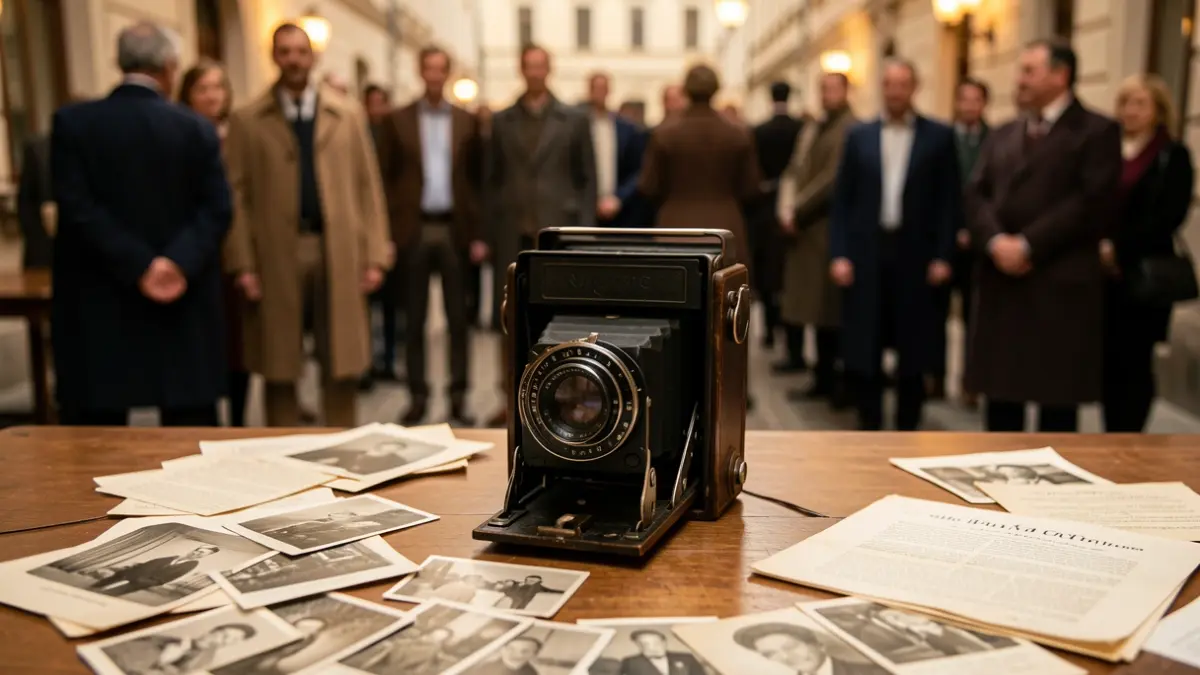
Old camera on a table with old photographs and documents.
IA

Old camera on a table with old photographs and documents.

Filmmaker Nonio Parejo, known for his documentary work in Andalusia, has passed away. He was a pioneer in portraying the social reality and transformation of the region.

The figure of filmmaker Nonio Parejo, often compared to Robert Capa for his ability to capture the emerging and rebellious Andalusia, is no longer with us. His images are now considered an intangible heritage narrating the story of a segment of people who were often excluded from the official narrative.
His cinema transcended mere imagery to delve into sociology and anthropology, establishing himself as a necessary reference. His work stands alongside that of other filmmakers such as Pancho Bautista, Pilar Távora, Juan Lebrón, or Juan Bollaín. Like Bollaín, Parejo collaborated with architects; the first democratic mayor of Seville, Luis Uruñuela, commissioned him to visually document the urban planning of Seville, a project aimed at ending an era of demolition and urban planning blunders. The film adaptation of Juan Goytisolo's Campos de Níjar also involved his participation.
Before the era of Silicon Valley, there was Casas Viejas. Andalusia was a chimera and a desolation in a fragmented Spain. Nonio Parejo, with his camera, carried out a form of visual agrarian reform, delving into farmsteads, rural communities, town squares with officials, land occupations, and the Rural Employment Plan's Keynesian-inspired works. He documented the Andalusia of Pepe Suero's song, a land awakening from a nightmare to begin believing in a better future, stretching from Ayamonte to Pulpí.
With a fineness akin to the French nouvelle vague and the precision of a notary, Parejo documented the Andalusian peasant agitations, much like Juan Díaz del Moral did in his historical account. His work unfolded at a time when figures like Blas Infante were not yet widely known.
In an era where everything seems already explored, precursor figures like Nonio Parejo are fundamental. The last time he was seen was on Thursday in Feria street, walking towards San Juan de la Palma with his musician friend Paco Aguilera. He participated in the birth of the first film festival in Seville, coinciding with the 28-F referendum. His nonconformity stemmed from the belief that to transform reality, one must first know it deeply.