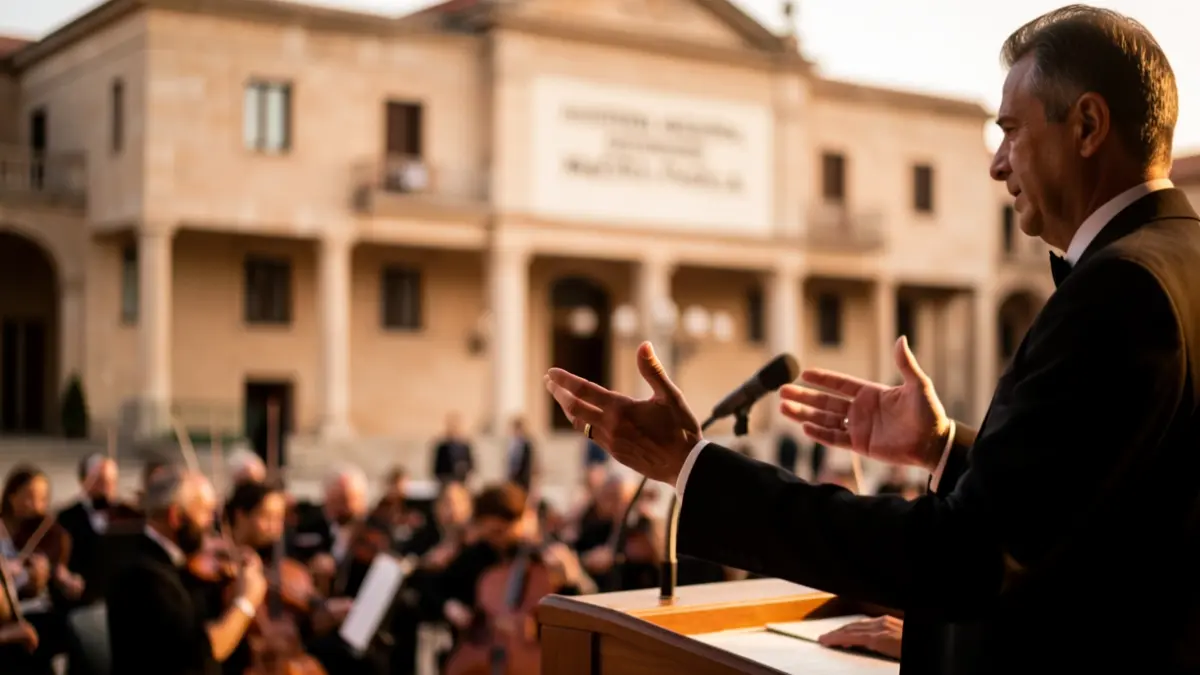
Jesús Castiñeiras, a renowned doctor and head of the Urology department at the Virgen Macarena University Hospital, as well as former president of the Royal Academy of Medicine and Surgery of Seville, has presented his new work: 'La Regia Sociedad de Medicina de Sevilla'. Published by the University of Seville, the book offers a detailed investigation into the birth of scientific medicine in the Andalusian capital.
Castiñeiras highlights that the history of the Academy has been little explored. He points out that the Royal Academy of Medicine and Surgery of Seville is the oldest in the world, a fact dating back to the transfer of Felipe V's court to Seville between 1729 and 1733. This period, known as the 'royal quinquennium', benefited institutions such as the Academy and the Real Maestranza.
The work also addresses the influence of José Cervi, Isabel de Farnesio's physician, and the group of Sevillian doctors led by Juan Muñoz y Peralta. These physicians challenged medicine based on Galenic and Hippocratic theories, advocating for a scientific approach grounded in anatomy and physiology, in line with the Enlightenment current.
The Venerable Medical Hispalense Gathering, founded in 1693, was the seed of the current Academy. The growth of this gathering led to the acquisition of recognition from Carlos II and Felipe V, culminating in the birth of the Royal Society of Medicine and other Sciences of Seville, where advanced scientific ideas were debated.
Castiñeiras laments the public's lack of awareness regarding the Academy's importance, advocating for greater societal engagement. During his presidency, he attempted to open up the institution and make it more accessible to the public.
Regarding generational succession within the Academy, the author observes difficulties, attributing them to the need for scientific prestige and the changing priorities of young doctors, who often prioritize proximity to family or their city over specialized training.
On the social perception of doctors, Castiñeiras acknowledges a somewhat diminished regard compared to the past, but insists that the profession must be based on responsibility, ethics, and seriousness in patient care, beyond comparisons to the priesthood.
Concerning financial matters, the doctor emphasizes that 'the goal of medicine is not to make money'. While doctors should be well-compensated, he stresses that it is not a career for getting rich. Professional satisfaction and helping patients, done with dignity, offer a richness 'that is priceless'.
Finally, Castiñeiras reaffirms the importance of vocation, although he acknowledges that current priorities for young doctors, focused on immediacy and personal life, leave less room for scientific or institutional pursuits. However, he is confident that these trends are cyclical.