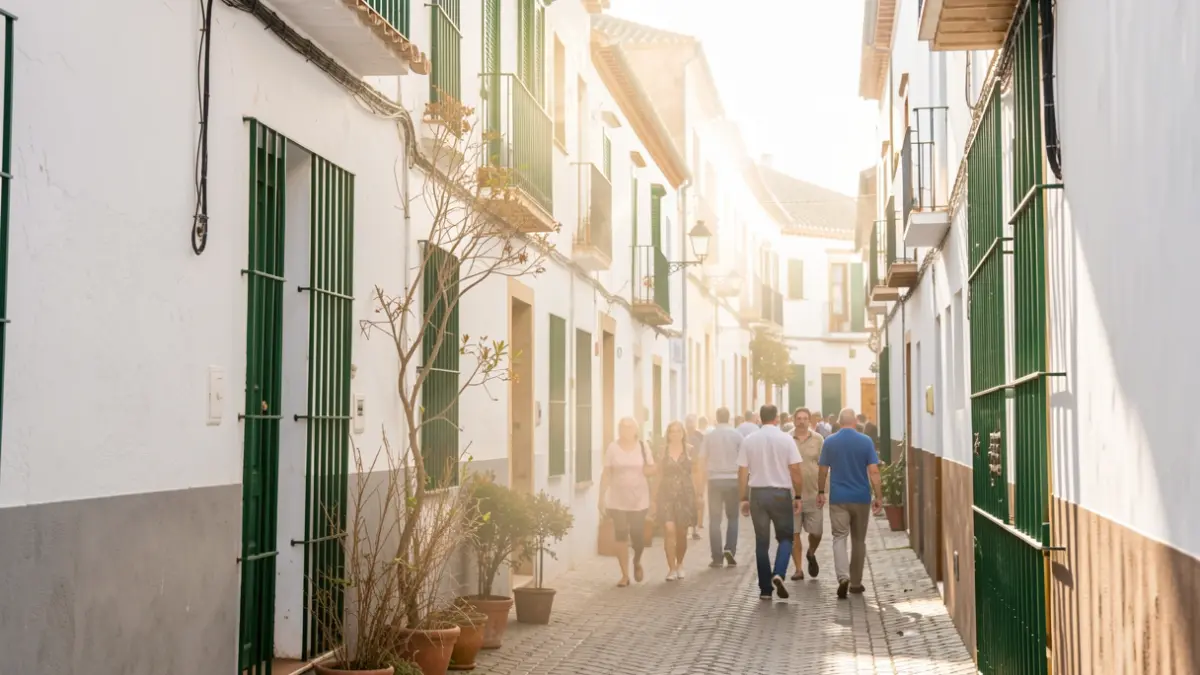
The high temperatures in Seville, exceeding 40 degrees Celsius, pose a critical challenge to housing habitability. A recent report led by Javier de Sola Caraballo, a researcher at the Higher Technical School of Architecture of the University of Seville, points to a concerning paradox: energy insulation measures, often guided by European regulations designed for cold climates, may be worsening the situation in southern Spain.
The research, published in ScienceDirect, analyzes the effectiveness of energy retrofits in 20th-century social housing. The findings indicate that the strict application of high insulation measures without adequate ventilation systems turns these homes into "ovens." This not only increases unbearable heat but can also lead to energy poverty and serious health risks, particularly for vulnerable populations.
The study highlights that the current push to renovate buildings constructed before 1971, which lacked thermal regulations originally, clashes with the southern climate reality. Javier de Sola warns: "Be careful with energy retrofits and how they are done; if we rigidly apply current efficiency measures and analyze them for the future, we will be worse off." Over-insulation without controlled ventilation traps indoor heat.
The problem of heat in homes is intrinsically linked to urban space design. Previous reports had already mapped the hottest areas of Seville, largely coinciding with low-income neighborhoods such as the Este district, Alcosa, and Torre Blanca. These areas, developed after the Civil War, combine direct solar radiation with large urban voids and heat-retaining pavements.
The researcher laments the lack of urban planning adapted to local temperatures, noting that administrations often replicate ineffective models without considering microclimatic impact. The removal of trees or the use of inadequate materials in public spaces can exacerbate the situation.
The study proposes concrete strategies to mitigate heat indoors, such as implementing rationalized natural ventilation, using fans, phase-change materials, reflective roof coatings, and small domestic weather stations. In urban areas, it suggests installing awnings and replacing asphalt with more porous materials.
Ultimately, the report emphasizes that climate change projections, combined with an aging population, increase climate-related mortality. Forcing reliance on air conditioning in poorly insulated homes exacerbates the thermal gap and energy poverty. The study calls for an urgent evolution of European directives, prioritizing local climate resilience over generalized standards.