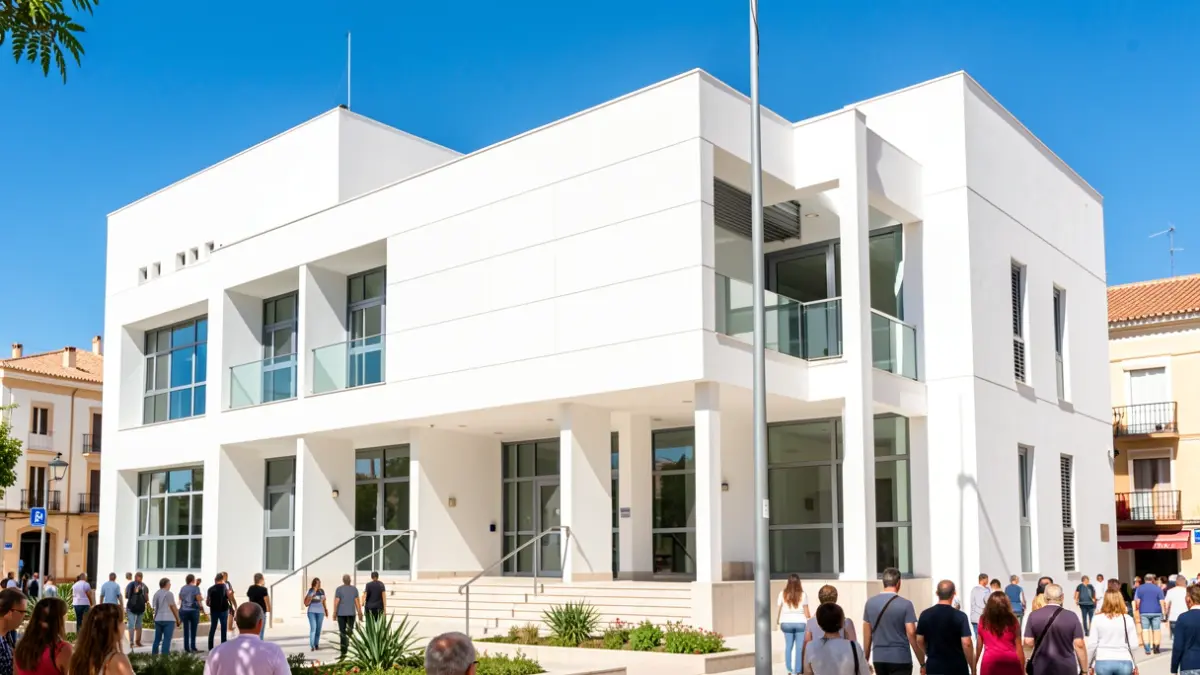
Recently, the Urban Planning Management made a significant decision by rejecting a construction project for the area around the Torre de la Plata, requesting a complete revision. This measure has been well-received by those advocating for the preservation of the city's aesthetics and heritage, aiming to avoid designs that do not adequately integrate into Seville's historic core.
In parallel, an important discussion has begun regarding the suitability of Seville hosting Copa del Rey finals. The main concern lies in the negative impact these events can have on the city center, including issues such as waste accumulation, excessive noise, and overcrowding that hinders coexistence.
“"It is necessary to open the debate; it is urgent not to take for granted that we are the guaranteed venue for celebrations and various events."
This questioning seeks to re-evaluate the type of tourism Seville aspires to. Although the city is an attractive and affordable destination, there is a perceived need to evolve towards a quality tourism model, reflected in the commercial offerings and airport operations, currently dominated by low-cost airlines.
Alternatives are proposed to promote events of greater cultural and aesthetic value, such as fashion galas or equestrian exhibitions, which enrich the atmosphere and highlight the city's values without generating the inconveniences associated with other mass events. The reflection extends to what kind of Holy Week is desired in the medium term, seeking a balance between tradition and quality.
The city faces the challenge of defining its post-pandemic identity, prioritizing the quality of life for its inhabitants and the preservation of its heritage, over massification and the degradation of its public spaces.