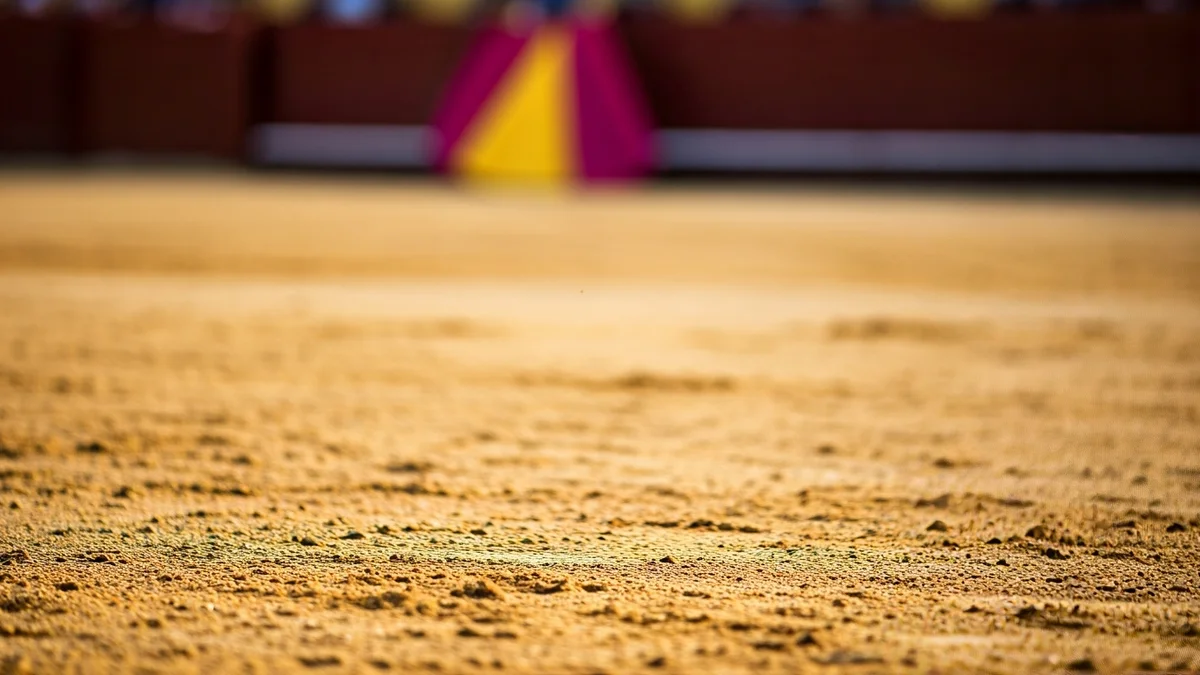
The bullfighting season in Spain officially commences on Easter Sunday, despite numerous festivals and important fairs, such as the Fallas in Valencia, having already taken place. Nevertheless, this date holds particular significance in the bullfighting world, marked by the corrida that reopens the Plaza de la Real Maestranza de Caballería in Seville.
This event, beyond its inherent appeal due to the lineup and the anticipation it generates, represents a social and cultural occasion of great importance. It serves as a benchmark for the remarkable recovery the spectacle has experienced in recent years, successfully mobilizing tens of thousands of spectators.
This resurgence is especially noteworthy at a time when bullfighting has faced continuous attacks from animal rights groups and an openly opposing stance from the Government. Andalucía, owing to its deep tradition and cultural consistency, has always been a staunch defender of bullfighting, evident in the public success of its main fairs.
Cities such as Seville, Jerez, El Puerto, Málaga, Córdoba, and Granada annually demonstrate that bullfighting is a thriving and growing reality, even attracting younger audiences. The support from the Junta de Andalucía and its dissemination through Canal Sur have been crucial for this recovery of bullfighting's prestige. The broadcast of the events by the regional television has garnered widespread viewership, confirming that the fiesta is an essential part of Andalusian identity.