The initiative aims to curb the spread of this viral infection through diagnostics in sensitive areas and recommendations for the public. The Delegate for Environment, Jorge Fernández, announced the campaign, emphasizing that although Ronda is at low risk, the council will remain vigilant in both urban and rural areas.
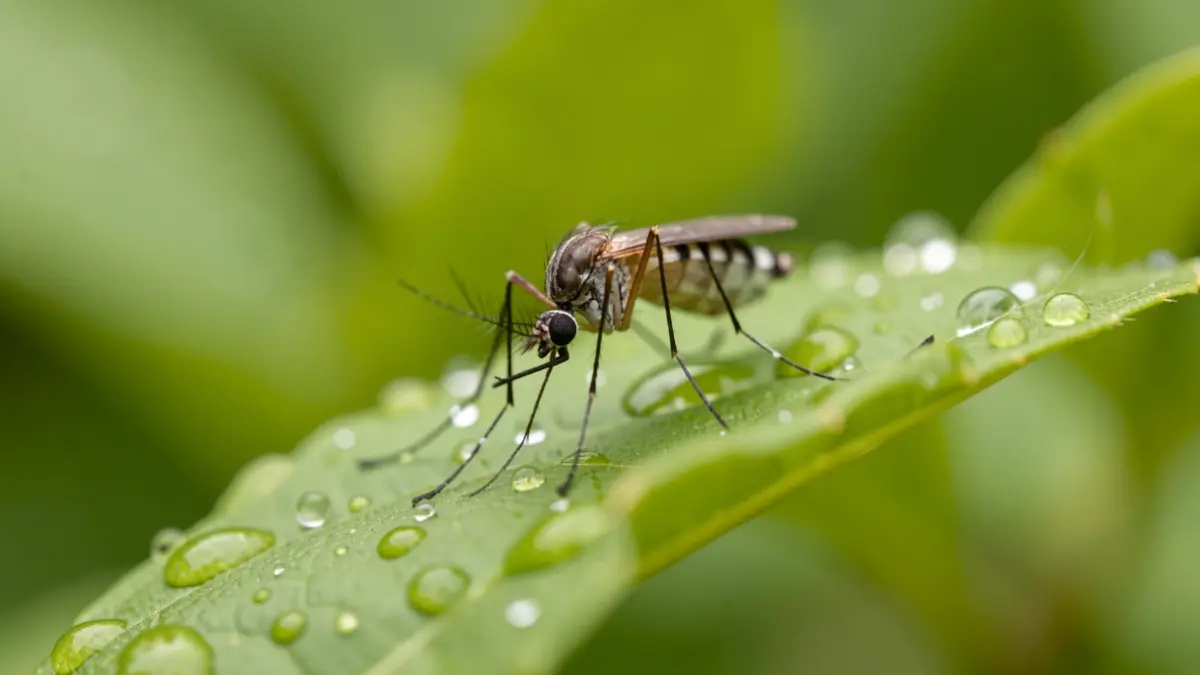
The West Nile Virus is transmitted to humans and equines through the bite of an infected mosquito. In humans, symptoms often resemble the flu, but in about 1% of cases, it can lead to meningitis, encephalitis, or acute flaccid paralysis. The most vulnerable groups include the elderly, transplant recipients, diabetics, hypertensive individuals, and those with compromised immune systems.
The Ronda City Council has already conducted various checks and diagnostics in areas prone to mosquito breeding. These efforts have focused on drains in the San Francisco neighborhood, in the districts of La Cimada and Los Prados, and at water points such as the fountain near the Puerta de Almocábar, the Fuente de los Ocho Caños, and the municipal pool Manolo López. Surveillance and control activities will continue until next autumn.
Citizens are urged to collaborate in eliminating mosquito breeding grounds, such as stagnant water in building basements, cellars, elevator shafts, plant pot saucers, tanks, poorly covered septic tanks, or untreated swimming pools. It is also important to change the water in pet bowls daily.
As self-protection measures, the use of mosquito nets on doors and windows, the application of repellents, and wearing clothing that covers arms and legs during dawn and dusk in mosquito-prone areas are recommended. Staying away from stagnant water sources is also advised.