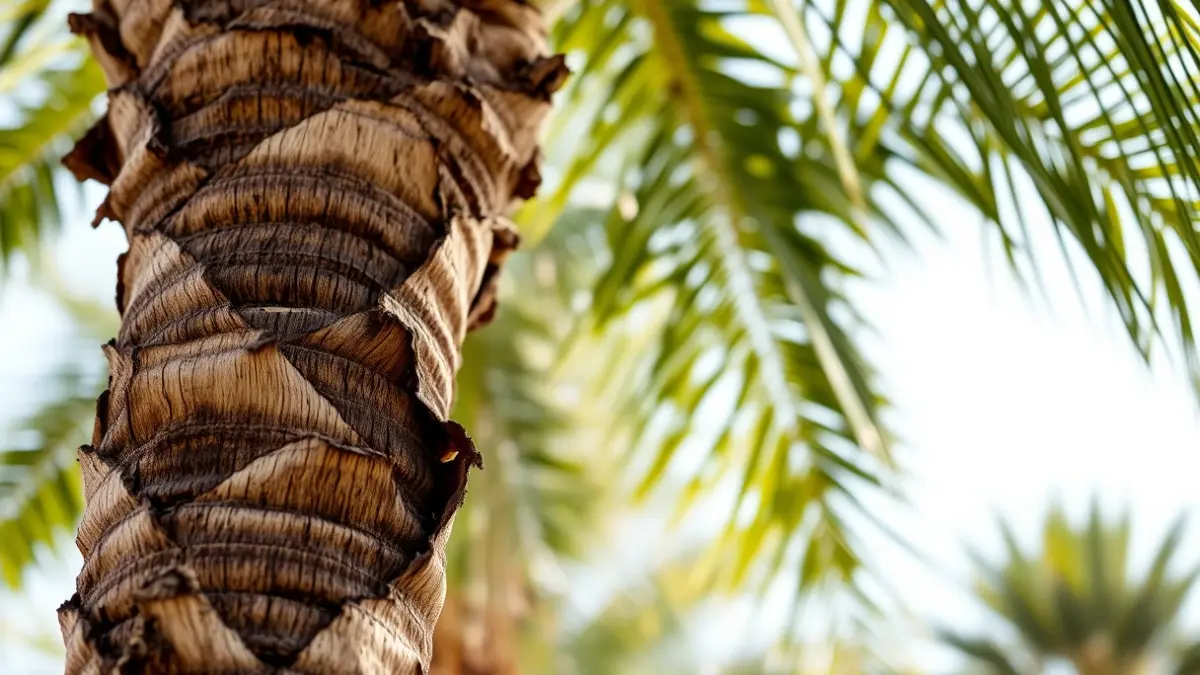
The specimens, located in emblematic areas of the city, will be replaced by others of the same species. This measure aims to preserve the historical alignment of the area, where the remaining palm trees are in good condition thanks to continuous preventive treatment.
Despite the application of all available preventive and curative protocols since the insect's detection, the four affected palm trees did not survive. The advanced age of the specimens, over 125 years old, and the phytotoxicity accumulated from more than 15 years of uninterrupted chemical treatments, were decisive factors preventing their recovery.
In the coming days, the stumps of the removed specimens will be cleared, and four new palm trees of the same species will be replanted, ensuring the continuity of the urban landscape.
For several years, the Malaga City Council has implemented various strategies to prevent the appearance of the red palm weevil in the city's palm trees. One of these initiatives included the use of seismic sensors, an innovative system for early detection of the pest. After a procurement process, the Council formalized a contract in late 2020 for the installation of these devices.
This pioneering plan involved installing sensors on 204 specimens distributed in key locations such as Paseo del Parque (138), Alameda de Colón (43), Hospital Noble (12), Plaza de la Marina (7), and Plaza Poeta Alfonso Canales (4). The red palm weevil, a devastating pest for this type of tree, was detected in Malaga in the early 2000s, causing illness in numerous specimens.