AlmeríaCádizCórdobaGranadaHuelvaJaénMálagaSevillaAlpujarra AlmerienseLos VélezComarca Metropolitana de AlmeríaFilabres-TabernasLevante AlmeriensePoniente AlmerienseValle del AlmanzoraBahía de CádizCampiña de JerezCampo de GibraltarCosta NoroesteLa JandaSierra de CádizAlto GuadalquivirCampiña de BaenaCampiña Sur CordobesaLos PedrochesCórdoba (comarca)SubbéticaValle del GuadiatoValle Medio del GuadalquivirAlpujarra GranadinaComarca de AlhamaComarca de BazaComarca de GuadixComarca de HuéscarComarca de LojaCosta GranadinaLos MontesValle de LecrínVega de GranadaEl AndévaloEl Condado de HuelvaCosta OccidentalCuenca MineraComarca Metropolitana de HuelvaSierra de HuelvaÁrea Metropolitana de JaénCampiña de JaénEl Condado (Jaén)La LomaSierra de CazorlaSierra MáginaSierra MorenaSierra de SeguraSierra Sur de JaénLas VillasComarca de AntequeraLa AxarquíaGuadaltebaCosta del Sol OccidentalMálaga Costa del SolNorormaValle del GuadalhorceSerranía de RondaSierra de las NievesAljarafeBajo GuadalquivirCampiña de CarmonaCampiña de Morón y MarchenaComarca de ÉcijaComarca Metropolitana de SevillaSierra Norte de SevillaSierra Sur de SevillaVega del GuadalquivirAlmeríaCádizCórdobaGranadaHuelvaJaénMálagaSevillaAlpujarra AlmerienseLos VélezComarca Metropolitana de AlmeríaFilabres-TabernasLevante AlmeriensePoniente AlmerienseValle del AlmanzoraBahía de CádizCampiña de JerezCampo de GibraltarCosta NoroesteLa JandaSierra de CádizAlto GuadalquivirCampiña de BaenaCampiña Sur CordobesaLos PedrochesCórdoba (comarca)SubbéticaValle del GuadiatoValle Medio del GuadalquivirAlpujarra GranadinaComarca de AlhamaComarca de BazaComarca de GuadixComarca de HuéscarComarca de LojaCosta GranadinaLos MontesValle de LecrínVega de GranadaEl AndévaloEl Condado de HuelvaCosta OccidentalCuenca MineraComarca Metropolitana de HuelvaSierra de HuelvaÁrea Metropolitana de JaénCampiña de JaénEl Condado (Jaén)La LomaSierra de CazorlaSierra MáginaSierra MorenaSierra de SeguraSierra Sur de JaénLas VillasComarca de AntequeraLa AxarquíaGuadaltebaCosta del Sol OccidentalMálaga Costa del SolNorormaValle del GuadalhorceSerranía de RondaSierra de las NievesAljarafeBajo GuadalquivirCampiña de CarmonaCampiña de Morón y MarchenaComarca de ÉcijaComarca Metropolitana de SevillaSierra Norte de SevillaSierra Sur de SevillaVega del Guadalquivir

Tomás Heredia Street in Málaga: From Insecurity to Urban Revitalization

Pedestrianization and building investments have transformed this street, though the rise of tourist apartments threatens traditional businesses.

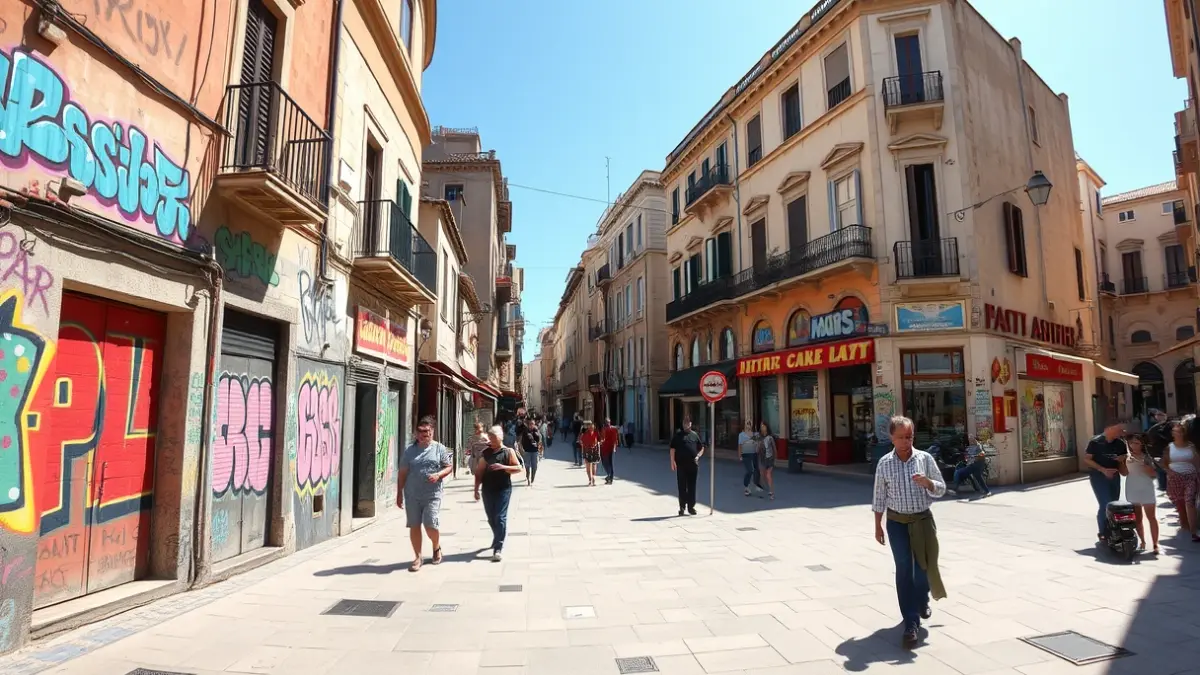
Image of an urban street with graffiti and people, reflecting the transformation of a neighborhood.
IA

Image of an urban street with graffiti and people, reflecting the transformation of a neighborhood.

Tomás Heredia Street in Málaga has undergone a remarkable transformation, evolving from an area associated with insecurity to a revitalized space thanks to pedestrianization and infrastructure investment, although the rise of tourist apartments poses new challenges.

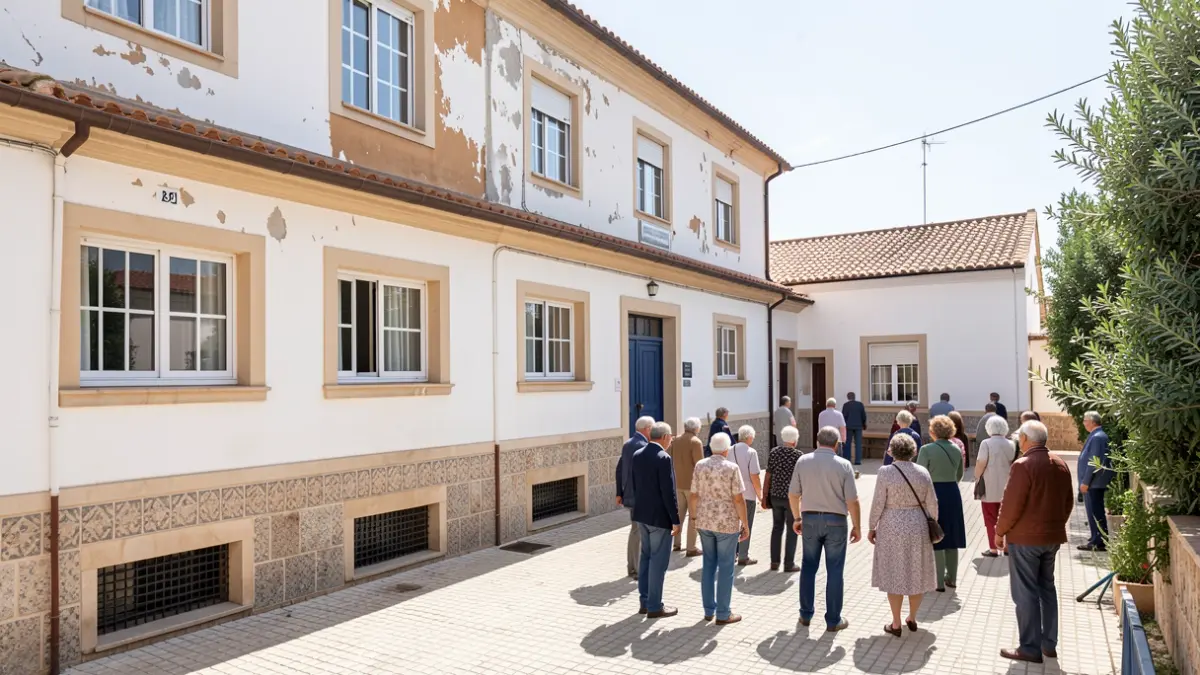
Also known as Pescadería Street, Tomás Heredia Street adopted its current name in 1983. However, its urban evolution has not been linear. For decades, especially in the late 20th and early 21st centuries, the area was marked by prostitution and a generalized sense of insecurity, affecting the lives of residents and merchants.
The situation has changed significantly. The street now presents a duality: during the day, it offers a calm atmosphere with the presence of residents and tourists. However, at night, the influx of intoxicated tourists heading to nearby hotels generates conflicts and confrontations, even with authorities.

"If a woman goes down to take out the trash, the 'clients' bother her because they think she is a prostitute."

a local resident
Although robberies have decreased, a sense of insecurity persists among residents and business owners, who report a lack of police presence and a delayed response to calls. The presence of homeless people, though generally described as harmless, also contributes to an unfavorable image of the street.
The reform of the Soho neighborhood, initiated in 2010, has been key to this transformation. The pedestrianization process improved accessibility and allowed for the establishment of new businesses. Additionally, investment has been made in renovating buildings and incorporating attractive visual elements, such as painted graffiti. Cultural impetus, especially with the Teatro del Soho, has helped to alleviate the area's past conflicts.
However, revitalization brings new challenges. Traditional businesses are being displaced by the increase in tourist apartments. Historic establishments like Numismática Filatelia Carrasquilla or the Oliver barbershop still remain, but others have been replaced by tourist-oriented housing, reflecting a preference for tourist profitability over local commerce.
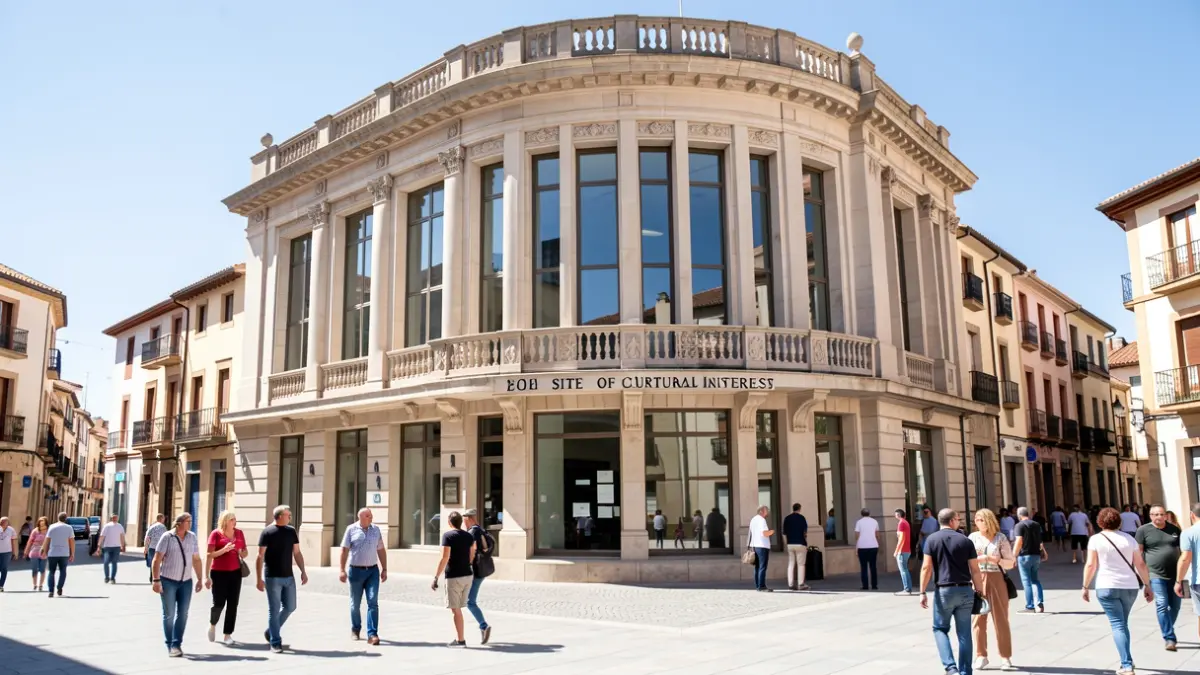
At the beginning of Tomás Heredia Street stands the Church of Stella Maris, a significant city landmark. Designed by architect José María García Paredes, it was declared a Site of Cultural Interest by the Junta de Andalucía in 1987. Its minimalist design, with empty and illuminated walls, stands out for its simplicity and its rectangular, single-nave structure, built with metal and ceramic brick.
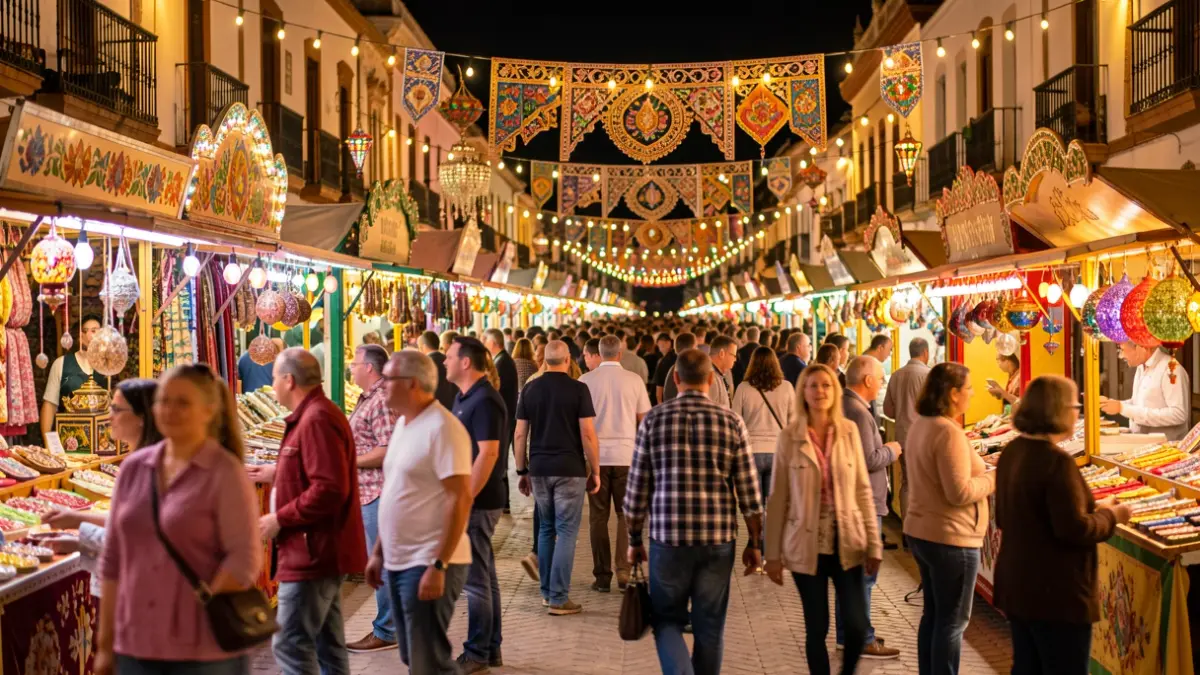
Every last Sunday of the month, the street hosts an urban market with over fifty stalls, offering crafts and urban art. This event seeks to redefine the neighborhood's identity, providing unique, handmade products.
Tomás Heredia Street is in a state of transition. While it has overcome its past insecurity, tourist pressure, the decline of traditional commerce, and the focus on a new cultural identity create a delicate balance between structural problems and new opportunities. Urban regeneration depends on coexistence and will, not just construction, and this street continues to seek its equilibrium.