The capital of the Costa del Sol will see the start of construction for the Semiconductor Center in the first quarter of 2027. This ambitious project, involving a €500 million investment, aims to establish Málaga and Spain as international leaders in technological sovereignty.
The announcement in 2024 that Málaga would host IMEC's new R&D center generated significant excitement. This marks IMEC's first expansion with such a grand objective, involving substantial investment and linking 1,700 jobs to the tech sector.
Located in Málaga TechPark, the center will feature IMEC (Interuniversity Microelectronics Centre), a 40-year-old Belgian foundation and a global leader in nanoelectronics R&D, as its main partner. It will function as a laboratory for testing processes and architectures before industrial production, rather than a chip manufacturing plant.
Minister for Digital Transformation and Public Function, Óscar López, outlined the timelines during the 'Digital Sovereignty: Semiconductors Now' event in Málaga. He emphasized the critical role of semiconductors in sectors like automotive and telephony, and their strategic importance amid the rise of artificial intelligence, highlighting the potential for quality job creation.
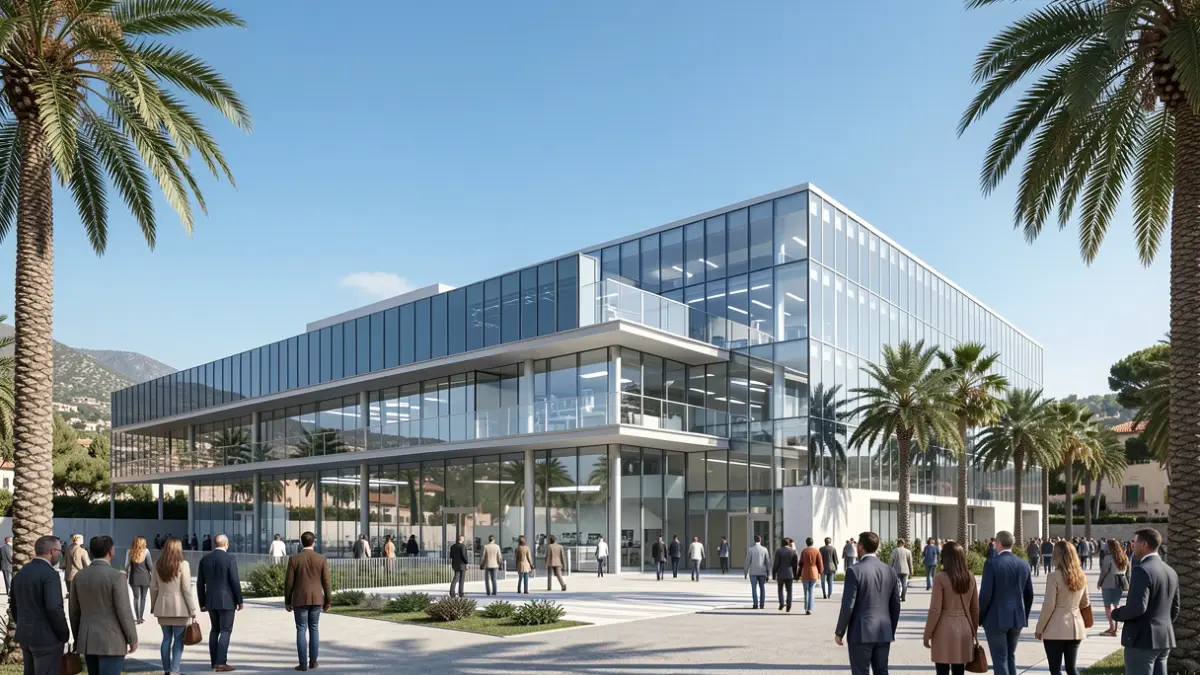
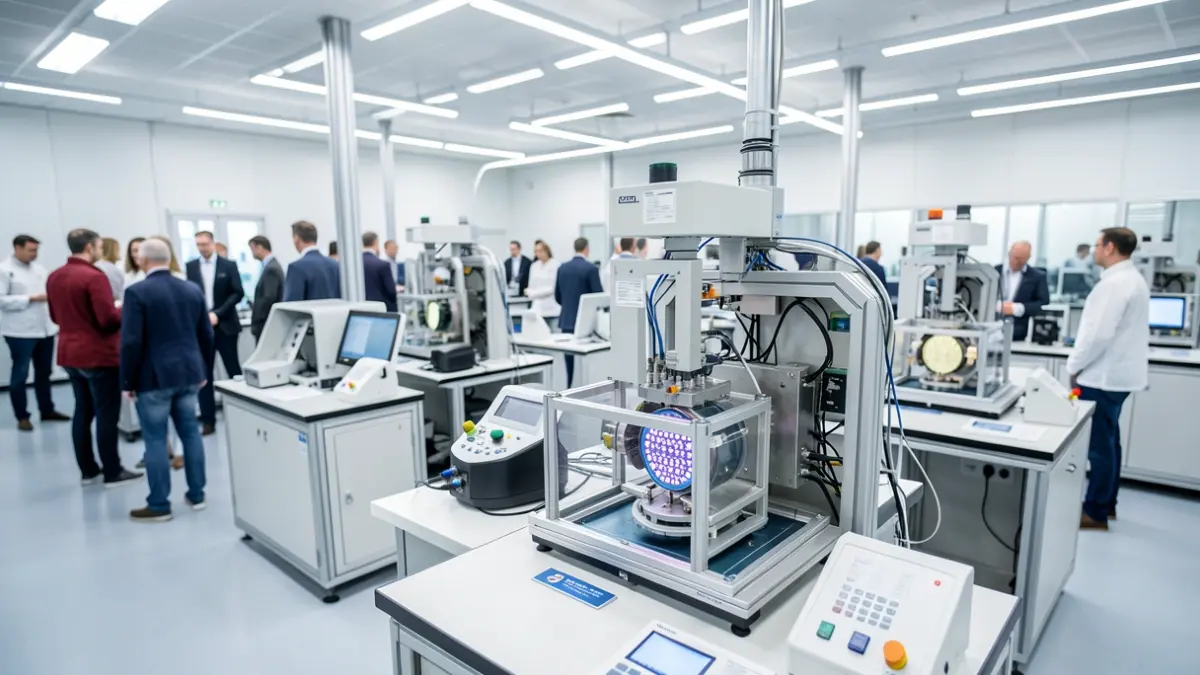
At the event, a model of the facility was unveiled. It will house a 2,000-square-meter cleanroom dedicated to prototyping next-generation chips on 300mm wafers, equipped with 60 state-of-the-art processing machines. The investment in equipment alone totals €267 million, partly funded by SETT.
Project funding is shared among the Spanish Government, contributing €500 million via the Spanish Society for Technological Transformation (SETT) through the PERTE Chip and the Recovery, Transformation, and Resilience Plan; the Regional Government of Andalusia, with over €130 million including land; and Málaga City Council, providing land and streamlining urban planning.
The projected labor impact is substantial, with up to 1,700 direct and indirect jobs anticipated. This includes an estimated 200 high-skilled direct positions and 500 indirect jobs in Málaga and its province, plus around 1,000 additional jobs across the rest of Spain.
The center aims to foster new collaborations between universities, research centers, companies, and startups, serving as a hub for attracting capital for 'deep tech' and strengthening regional innovation ecosystems. Its proximity to the University of Málaga will facilitate internships and university spin-offs.
This initiative will enable investors to prototype in Europe without relying on Asian foundries, significantly shortening development cycles. A B2B ecosystem will emerge around the TechPark, encompassing suppliers, metrology, and chip design services. According to Óscar López, the center will position Spain and Europe at the forefront of technological advancements in telecommunications, medicine, mobility, photonics, and quantum applications.