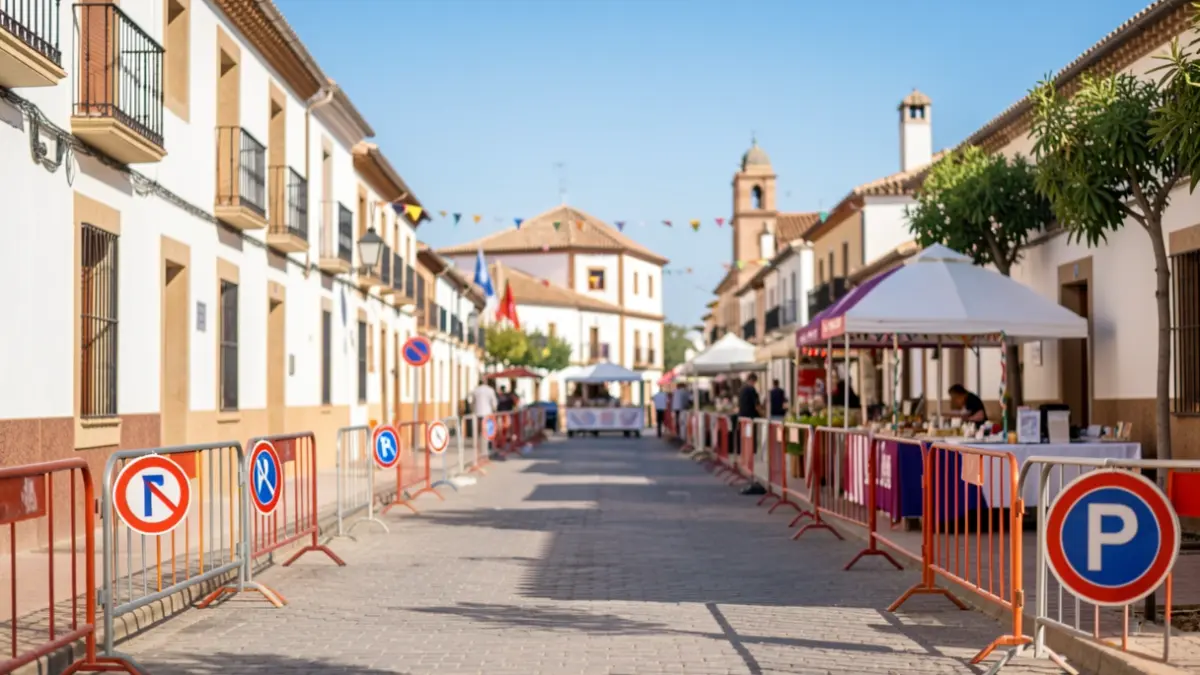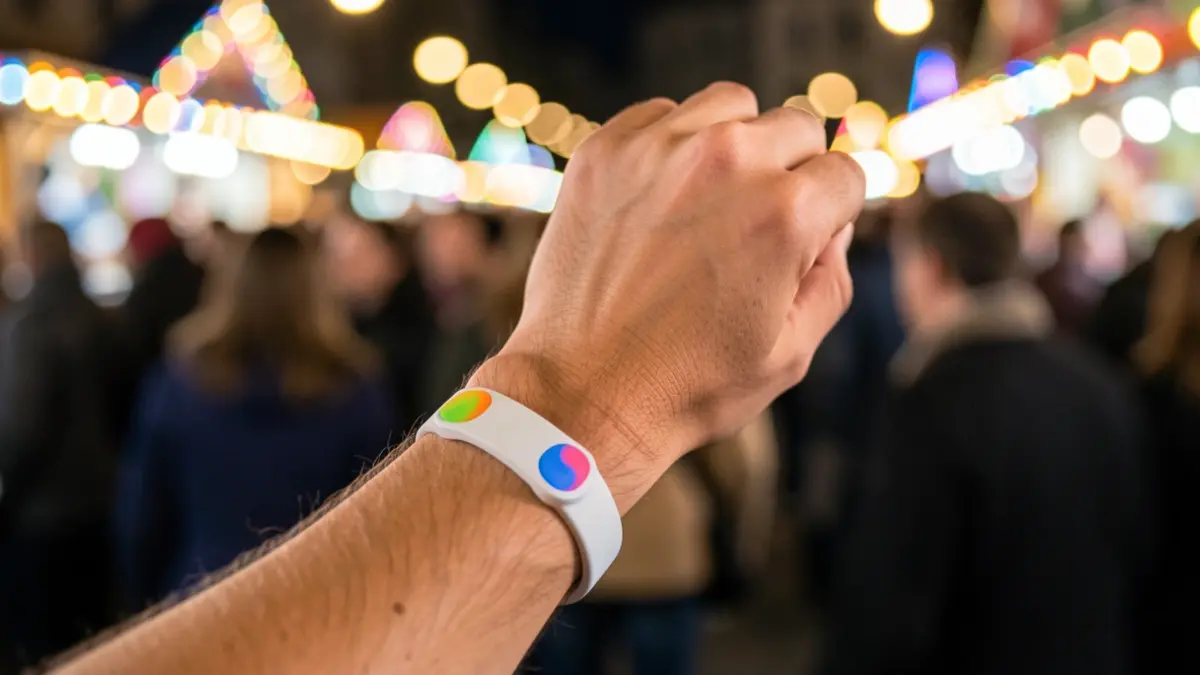
The initiative, a pilot project driven by the College of Physicians of Malaga in collaboration with the City Council and Fundación Unicaja, will distribute 3,000 of these devices for free at the Violet Points of the Real del Cortijo de Torres.
The president of the College of Physicians, Pedro J. Navarro, explained that the bracelet is a "preventive tool" that quickly detects substances common in chemical submission cases, although he clarified it does not replace toxicological, police, or health tests.
Dr. Isabel García Ríos, vice-president of the College of Physicians, detailed its operation: the bracelet has two reactive sensors. One detects GHB (liquid ecstasy), and the other reacts to ketamine, scopolamine (burundanga), MDMA, and other amine substances.
To use it, a small drop of the drink is placed on each sensor, and one waits approximately three seconds. If the sensors maintain their color, no detection occurs; if they change, it may indicate the presence of one of these drugs.
“"If one of the sensors changes color, the indication is clear: call 112 immediately, preserve the drink if possible, and do not remove the bracelet."
The bracelet includes a QR code linking to a detailed action protocol, facilitating a rapid and coordinated response. This protocol also provides guidelines on how to act if the person shows symptoms, recommending preserving their privacy and not giving them food or drink.
It is advised to listen to the affected person with respect, without judgment, and to handle the glass or container as little as possible as potential evidence until emergency services arrive.
The sensors should not get wet or come into contact with soap. A negative result does not completely rule out chemical submission; if there are doubts or compatible symptoms, immediate help should be sought.