The Marbella we know today, a benchmark of horizontal luxury and exclusivity, could have been very different without a key decision made by Francisco Franco in 1973. Before becoming the international hub it is, the city risked following the path of other Mediterranean destinations with massive vertical development.
During his last trip to Marbella in the summer of 1973, for the inauguration of the new Clinica Incosol, the dictator observed with disapproval two recently built towers: the Hilton Hotel (now Hotel Don Carlos) and Torre Real. It is said that the sight of these tall buildings horrified him, considering them an affront to the natural beauty of the coastline, similar to what had happened in Torremolinos and Benalmádena Costa.
The story goes that he immediately ordered that no more skyscrapers should ever be built in Marbella, freezing the skyline at a low-to-mid-rise level.
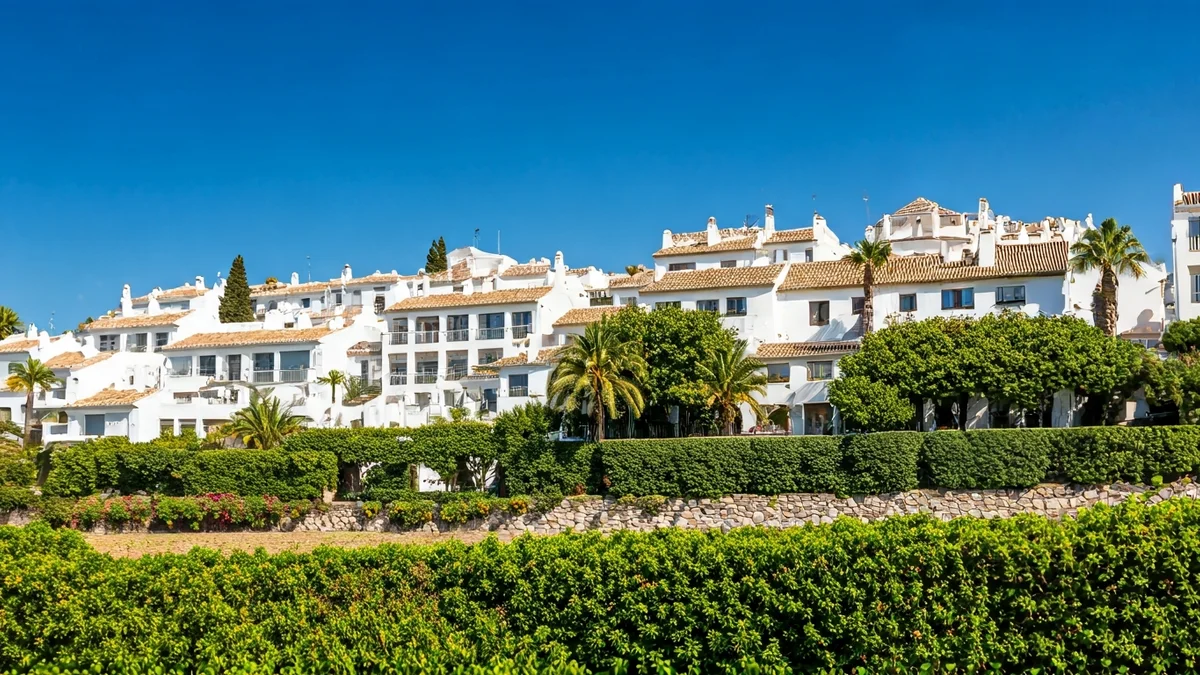
This directive gave rise to the well-known 'Marbella Model' of urban development, which has endured to this day. Unlike other parts of the Costa del Sol, Marbella focused on a more discreet luxury, characterized by villas, gated communities, and low-rise hotels. This vision had already been promoted by pioneers such as Ricardo Soriano, Prince Alfonso of Hohenlohe-Langenburg, and José Banús, who advocated for low-rise, Andalusian-style construction.
The regime's tourism policy in the 1960s and 1970s, aimed at attracting foreign currency, provided these developers with the support and licenses needed to create luxury projects. The opening of Puerto Banús in 1970, which attracted figures like Hugh Hefner, Roman Polanski, and Princess Grace of Monaco, cemented Marbella's elite status. Since 1973, no tower has been built in the city, preserving its distinctive and exclusive character.