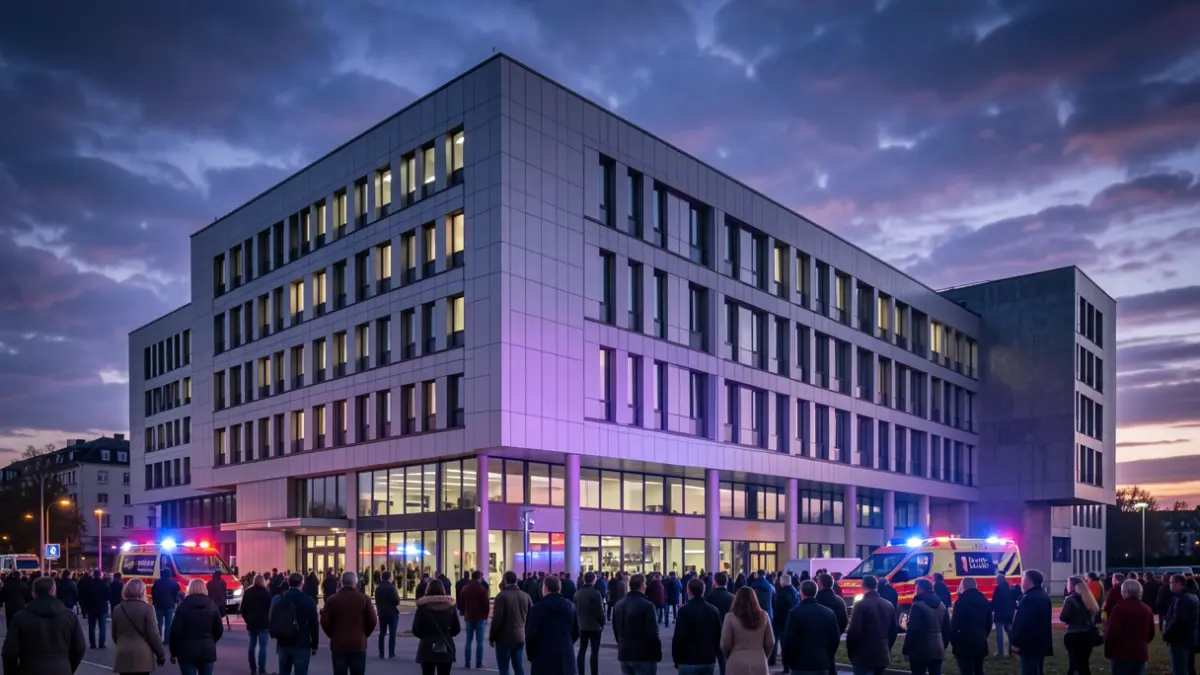
This training initiative will be carried out in several municipalities in Málaga, including Algarrobo, Alhaurín de la Torre, Alhaurín el Grande, Antequera, Benaoján, Campillos, Canillas de Aceituno, Carratraca, El Burgo, Nerja, Periana, Ronda, Teba, Vélez-Málaga, Villanueva del Rosario, and Yunquera. The workshops began last Wednesday in Nerja, and on Thursday, the deputy for Security and Emergencies, Luis Rodríguez, attended one of the sessions at CEIP La Milagrosa in Campillos.
During the talks, an emergency is defined—a serious, unexpected, and dangerous situation requiring immediate assistance—and practical examples are provided on how to handle events such as floods, earthquakes, storms, or pandemics. Emphasis is placed on the importance of always consulting official sources like Civil Protection, Aemet, or Cruz Roja, and avoiding the spread of rumors or unverified messages.
The content also covers different alert levels, such as those from the State Meteorological Agency or the ES-Alert system of Civil Protection, and explains the meaning of maritime flags on beaches. Students are taught the importance of remaining calm, following instructions, avoiding running or pushing, and offering help without putting themselves at risk, using the example of how to act during a DANA (isolated depression at high levels).
They are explained what is considered an emergency, understood as a serious, unexpected, and dangerous situation that requires immediate help, and different cases of floods, earthquakes, storms, or pandemics will be presented.
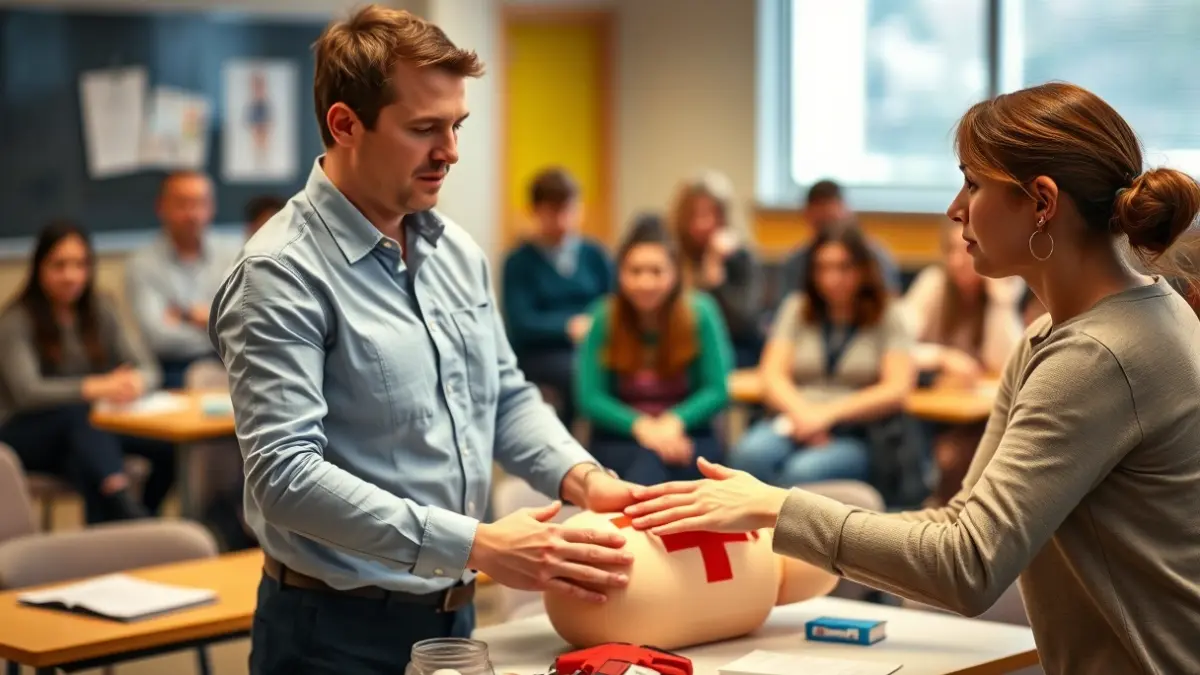
Additionally, guided simulations are conducted to provide basic first aid notions, detailing appropriate and inappropriate actions in an emergency, and highlighting the need to quickly contact emergency services. The workshops also cover the use of individual protective elements (helmets, gloves, boots) and collective ones (fences, signs, extinguishers), as well as the relevance of emergency plans for organized and improvised-free action.