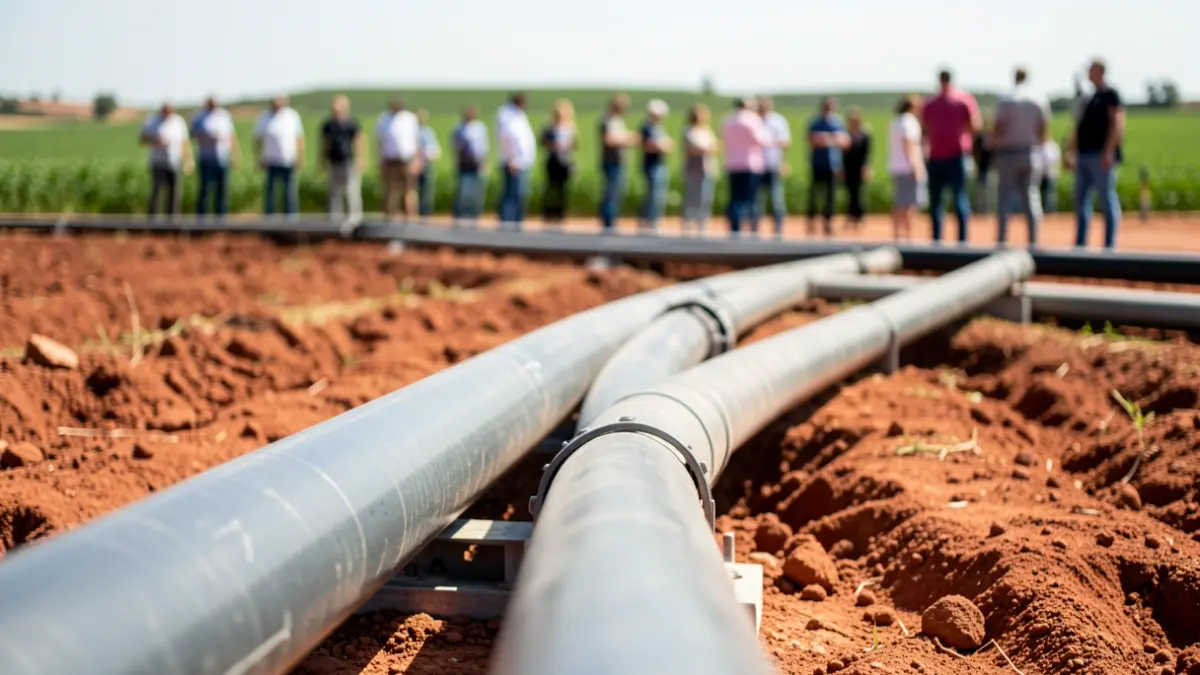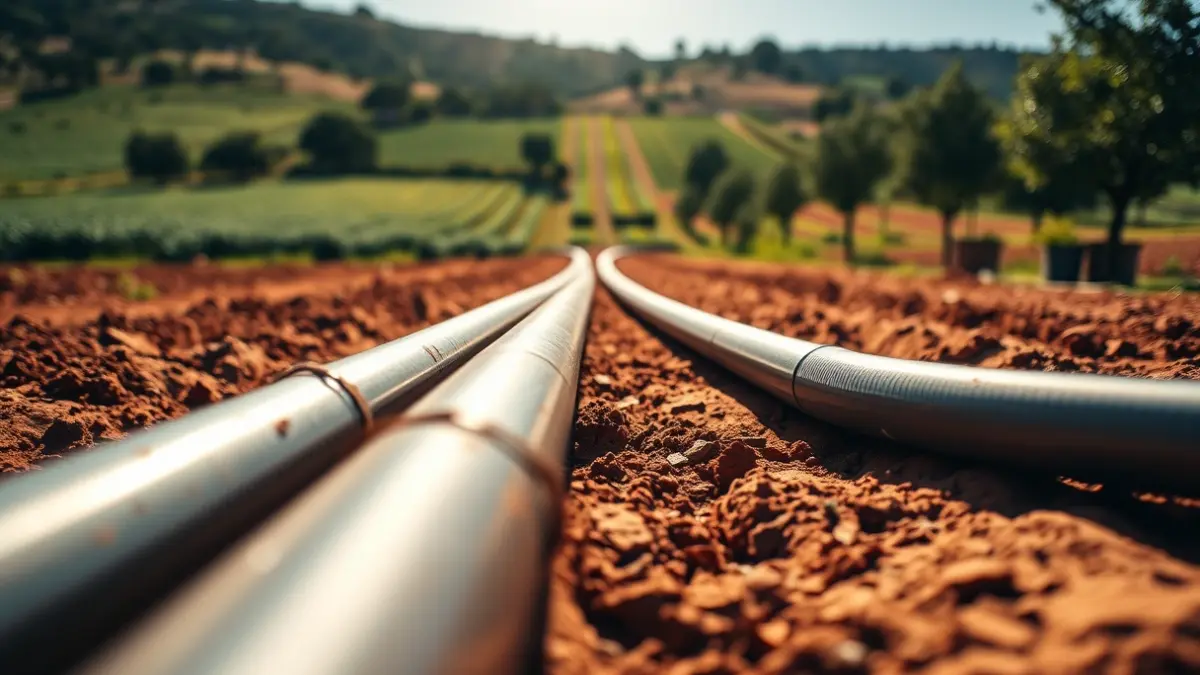
The situation in the Guadalhorce Valley is repeating itself for another year, causing discontent among irrigators. The cleaning and review of the irrigation systems, which began on April 20, has been described as “late and poorly executed” by the Provincial Association of Irrigators of Málaga (Aprema). This delay has led to the usual breakdowns appearing when water was introduced, leaving a large part of the area without supply.
Approximately 60% of the Guadalhorce area is currently without water, while the rest is irrigating under precarious conditions. Farmers fear they will not be able to water their crops until mid or late May, which represents a month's delay from the ideal start date, usually mid-April. This delay could have a significant impact on the local agricultural economy.
“"It's a disgrace; we have been telling the administration for years that the Guadalhorce cannot function like this. The rural economy is sensitive, and this will affect it greatly."
Aprema, which brings together most of the irrigation communities in the Guadalhorce Valley and represents nearly 6,000 hectares of crops, has insisted for years to the Delegation of Agriculture on the need to advance maintenance work. Despite previous warnings about dirty spots and potential breakdowns, the situation has recurred, affecting the production of citrus, tropical fruits, fruit trees, and vegetables.
Among the most affected areas without irrigation possibilities are the right bank of the Guadalhorce River, Los Llanos, Zarzalón, Dehesa Alta, El Sexmo, and El Morquecho. Additionally, breaks have been detected in the Fahalá and Cañada Honda siphons, as well as at the head of the system. The lack of irrigation at a crucial time for fruit setting and crop fattening, such as potatoes, combined with high temperatures, causes considerable economic damage to Guadalhorce farmers.