The initiative, funded by Next Generation EU funds, has carried out actions for crane conservation and the promotion of sustainable ornithological tourism. The project aims to revitalize the rural economy of the area, using the migratory phenomenon as the main attraction.
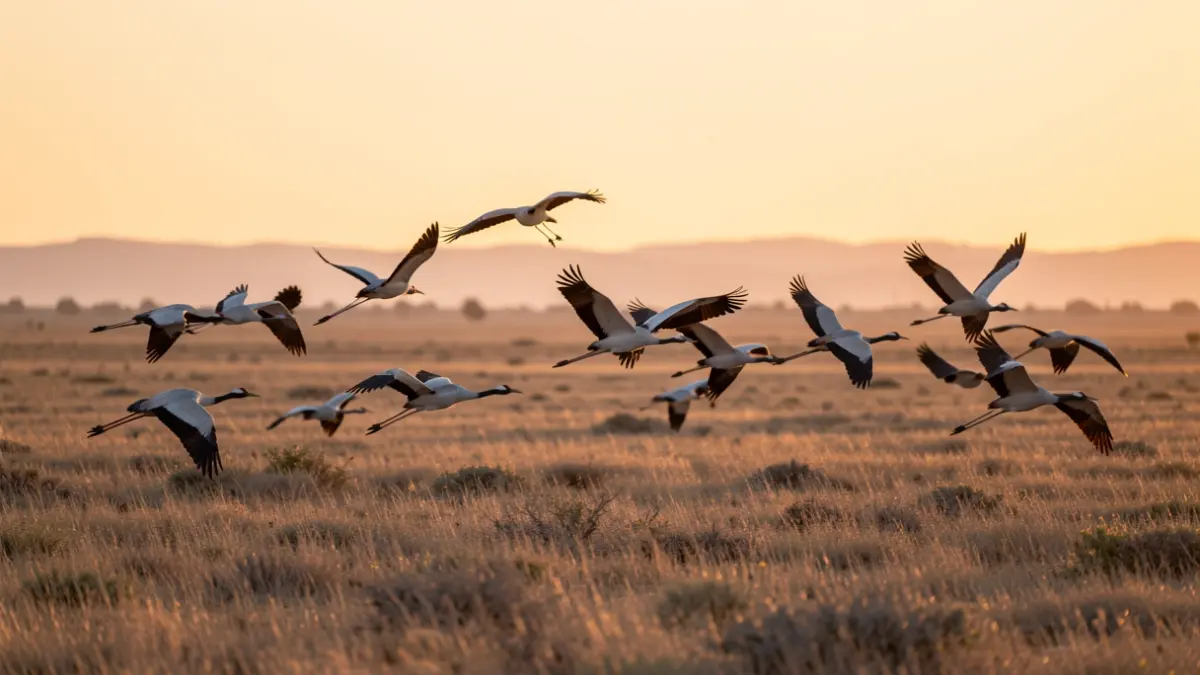
Every winter, over 6,000 cranes from Northern Europe choose municipalities such as Belalcázar, El Viso, Hinojosa del Duque, and the area around the La Colada reservoir. These locations have become key points for birdwatching, consolidating the migratory spectacle as a backbone for territorial development.
Executed actions include specialized environmental mapping, audiovisual and promotional material, awareness campaigns, outreach activities, training for tourism professionals, and the creation of new birdwatching products. The future Festival de la Grulla (Crane Festival) is also planned.
“"The project's outcome is enormously positive because we have managed to unite environmental conservation and economic development opportunities for our municipalities. The crane has become a symbol of territorial identity and a real opportunity to generate sustainable tourism activity during the winter months."
The project has strengthened collaboration between administrations and territorial stakeholders, laying the groundwork for a long-term regional ornithological tourism strategy. In addition to its environmental impact, it has highlighted the natural potential of Los Pedroches, recognized for its dehesas, biodiversity, and unique landscapes.
Ornithological tourism is presented as an opportunity to retain population, create employment, and diversify the rural economy sustainably. Digital promotion efforts and the creation of new tourism resources aim to attract visitors interested in the region's biodiversity.
The initiative, aligned with the European Union's ecological transition objectives, demonstrates how biodiversity conservation can generate economic opportunities and territorial rootedness. Los Pedroches faces a new phase where nature tourism and the protection of emblematic species will continue to play a leading role in its regional development strategy.