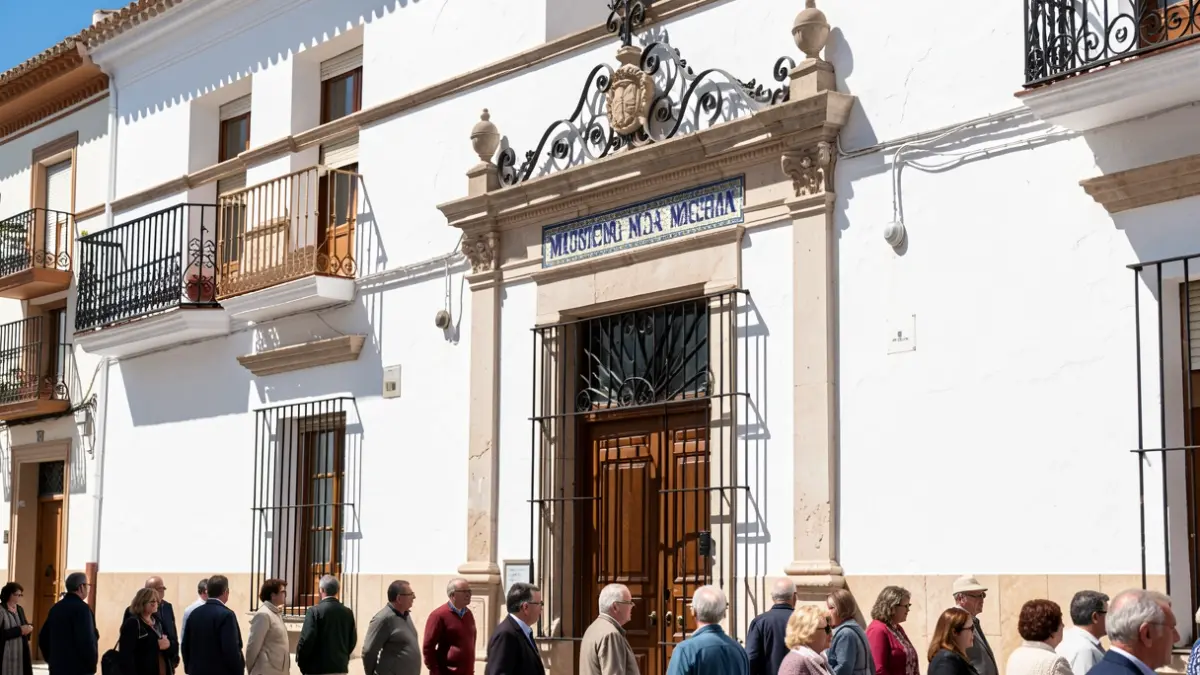
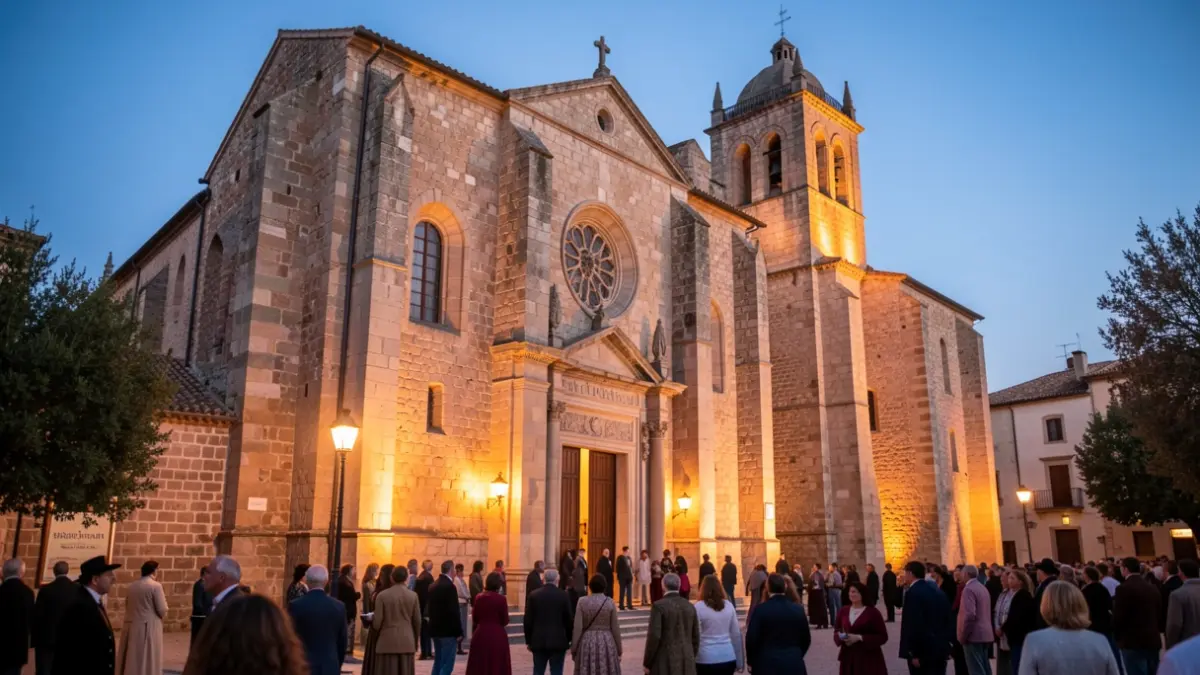
The Catedral de la Sierra in Hinojosa del Duque has become the main stage for the popular play 'La Vaquera de la Finojosa'. This adaptation of the text by Cordoban playwright Francisco Benítez brings to life the 'serranilla' of the Marquis of Santillana, recreating the popular life of the town during the 15th century and integrating elements of its culture, architecture, gastronomy, and folklore.
This year's ninth edition includes the recognition as an Event of Tourist Interest of Andalusia, granted in February 2025, and direction by Mónica González, who previously played La Vaquera. Greater prominence has been given to the role of women in scenes and dances, introducing the character of the innkeeper and the participation of children's groups guided by the jester.
The performance features nearly 300 non-professional actors, a retinue of horses and riders, and the ambiance of a rural past. The passage of a herd of cows with their shepherds and cowboys serves to bring the protagonist onto the stage. The play unfolds before a grandstand with a capacity for 1,800 people, with four performances scheduled until August 2nd, starting at 10:00 PM.
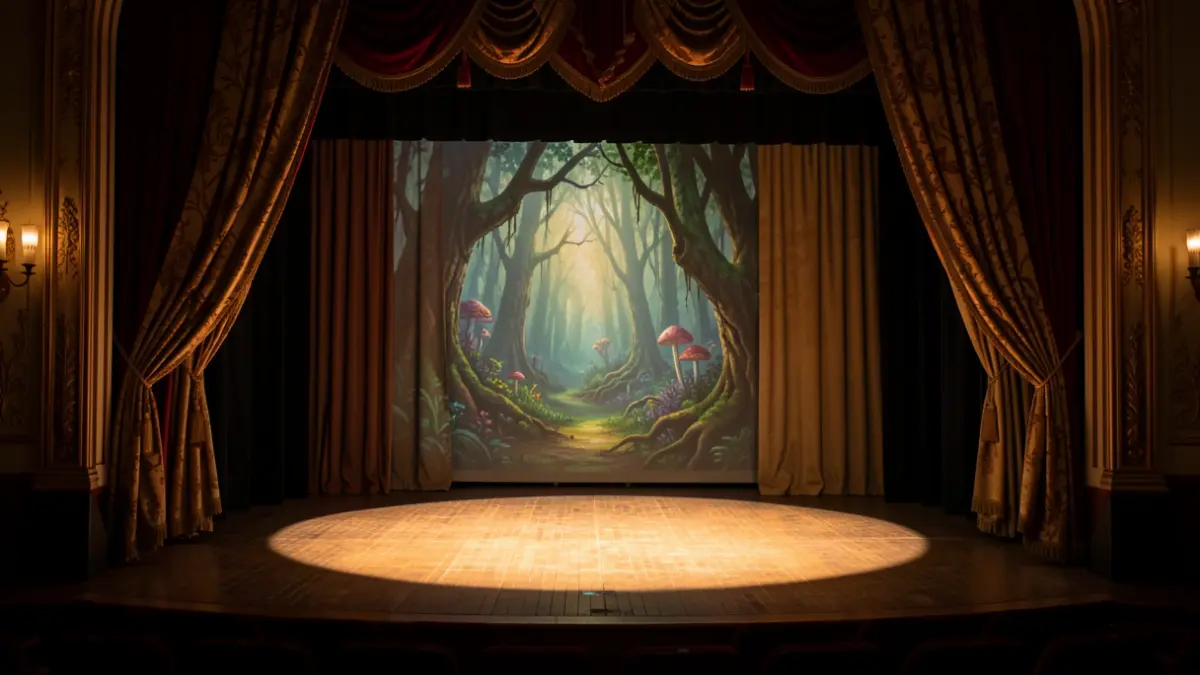
Under the musical direction of Miguel Cerro, the edition recreates the scene where Hernán Ruiz dreams of the Catedral de la Sierra. The living history of Hinojosa del Duque intertwines with the past of the town, utilizing videomapping projected onto the walls of the Catedral to enhance the spectacle.
The play, conceived as metatheatre, narrates the arrival of the queen and the eve of a popular performance that revives the passage of the Marquis of Santillana and his infatuation with the cowgirl. The town's dignitaries and the queen's entourage serve as the initial audience for this popular theatre.
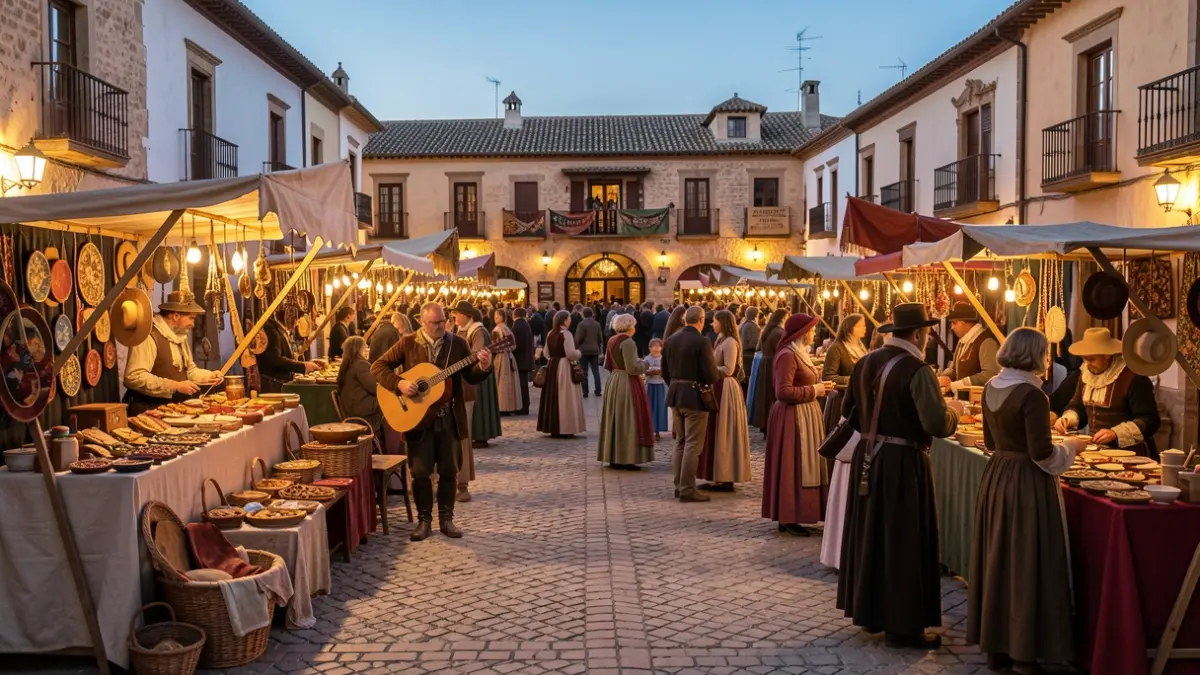
The plot progresses with the encounter between the Marquis and the cowgirl, whose scenes are interspersed with choral and costumbrista scenes. Highlights include the market scene, showcasing gastronomic riches, and those of the washerwomen with their mountain dances. The costumes, by the workshops of Francisco Tamaral, add color.
The music by the Hinojosa del Duque Music Band, songs by Miguel Cerro performed by the Tuna Cultural Hinojoseña, and choreography by Manoli Chaves add visual appeal. The conflict of unrequited love is resolved at the end, with the Marquis departing the town after the cowgirl's rejection, as she asserts her freedom and honor.