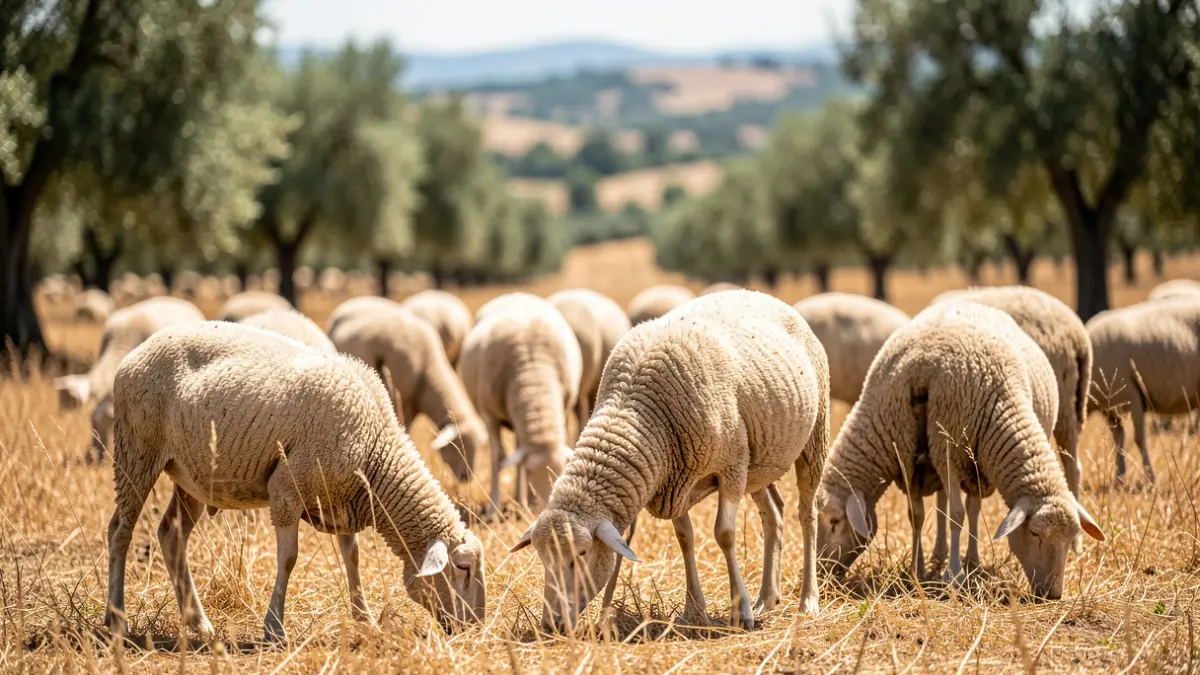
With the peak heat season approaching in the countryside, prevention measures are the most effective tool to avoid catastrophes in mountainous areas. In a recent interview, a livestock farmer from Córdoba explained the operation of a system gaining traction in the province: silvopasture. This practice involves modernizing traditional grazing to have animals act as preventive firefighters, clearing vegetation before flames appear.
The operational mechanism of these 'firefighter sheep' is as simple as it is ecological, relying on the natural behavior of the livestock. Through grazing and trampling the grass, especially during this time of year, the animals significantly reduce the amount of dry vegetation in the areas where they feed. By drastically decreasing the volume of dry undergrowth and compacting the excess plant matter on the ground, the risk of forest fires starting or spreading in these plots is notably diminished.
This green alternative functions as a perfect natural brush cutter for the hills of Córdoba. Compared to costly machinery, the livestock performs selective surface cleaning, helping to save significant economic costs for municipalities. Furthermore, the animals feed for free on the fresh pastures provided by nature.
The environmental benefits of silvopasture extend far beyond simple land clearing. The farmer highlights the very positive impact of the animals' daily routine in enriching local flora and naturally repopulating the countryside. It is stated that a single sheep can disperse around 3,000 seeds daily through its digestive system or attached to its legs and wool. By grazing in semi-arid zones, the sheep reintroduce plant species and enhance the biological diversity of the environment.
The continuous trampling and the manure deposited by the sheep act as excellent organic fertilizer, directly promoting soil quality regeneration, improving its fertility and its capacity to retain rainwater. Moreover, by giving shepherds a recognized role in fire prevention and generating green jobs linked to the territory, silvopasture positions itself as a crucial defense against both the climate emergency and the phenomenon of rural depopulation.