AlmeríaCádizCórdobaGranadaHuelvaJaénMálagaSevillaAlpujarra AlmerienseLos VélezComarca Metropolitana de AlmeríaFilabres-TabernasLevante AlmeriensePoniente AlmerienseValle del AlmanzoraBahía de CádizCampiña de JerezCampo de GibraltarCosta NoroesteLa JandaSierra de CádizAlto GuadalquivirCampiña de BaenaCampiña Sur CordobesaLos PedrochesCórdoba (comarca)SubbéticaValle del GuadiatoValle Medio del GuadalquivirAlpujarra GranadinaComarca de AlhamaComarca de BazaComarca de GuadixComarca de HuéscarComarca de LojaCosta GranadinaLos MontesValle de LecrínVega de GranadaEl AndévaloEl Condado de HuelvaCosta OccidentalCuenca MineraComarca Metropolitana de HuelvaSierra de HuelvaÁrea Metropolitana de JaénCampiña de JaénEl Condado (Jaén)La LomaSierra de CazorlaSierra MáginaSierra MorenaSierra de SeguraSierra Sur de JaénLas VillasComarca de AntequeraLa AxarquíaGuadaltebaCosta del Sol OccidentalMálaga Costa del SolNorormaValle del GuadalhorceSerranía de RondaSierra de las NievesAljarafeBajo GuadalquivirCampiña de CarmonaCampiña de Morón y MarchenaComarca de ÉcijaComarca Metropolitana de SevillaSierra Norte de SevillaSierra Sur de SevillaVega del GuadalquivirAlmeríaCádizCórdobaGranadaHuelvaJaénMálagaSevillaAlpujarra AlmerienseLos VélezComarca Metropolitana de AlmeríaFilabres-TabernasLevante AlmeriensePoniente AlmerienseValle del AlmanzoraBahía de CádizCampiña de JerezCampo de GibraltarCosta NoroesteLa JandaSierra de CádizAlto GuadalquivirCampiña de BaenaCampiña Sur CordobesaLos PedrochesCórdoba (comarca)SubbéticaValle del GuadiatoValle Medio del GuadalquivirAlpujarra GranadinaComarca de AlhamaComarca de BazaComarca de GuadixComarca de HuéscarComarca de LojaCosta GranadinaLos MontesValle de LecrínVega de GranadaEl AndévaloEl Condado de HuelvaCosta OccidentalCuenca MineraComarca Metropolitana de HuelvaSierra de HuelvaÁrea Metropolitana de JaénCampiña de JaénEl Condado (Jaén)La LomaSierra de CazorlaSierra MáginaSierra MorenaSierra de SeguraSierra Sur de JaénLas VillasComarca de AntequeraLa AxarquíaGuadaltebaCosta del Sol OccidentalMálaga Costa del SolNorormaValle del GuadalhorceSerranía de RondaSierra de las NievesAljarafeBajo GuadalquivirCampiña de CarmonaCampiña de Morón y MarchenaComarca de ÉcijaComarca Metropolitana de SevillaSierra Norte de SevillaSierra Sur de SevillaVega del Guadalquivir

Geoda de Pulpí, Almería, Sells Out as UNESCO Candidacy Advances

The geological marvel in the Mina Rica, Sierra del Aguilón, faces high visitor demand with limited availability until summer, coinciding with its World Heritage bid.

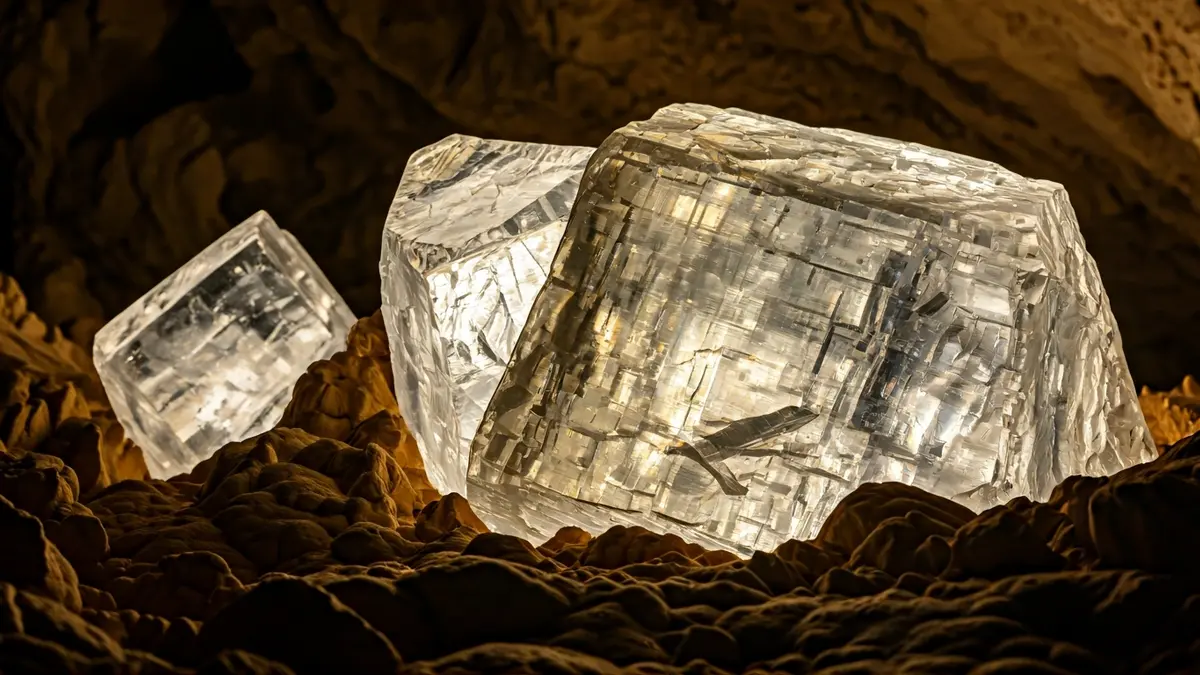
Giant gypsum crystals inside the Geoda de Pulpí, Almería.
IA

Giant gypsum crystals inside the Geoda de Pulpí, Almería.

The Geoda de Pulpí, a geological treasure in Almería, has seen a surge in visitor demand, with tickets sold out until summer, at a crucial time for its candidacy to be recognized as a UNESCO World Heritage Site.

This unique enclave, located in the Mina Rica of the Sierra del Aguilón, has taken a significant step by entering the preliminary phase of the UNESCO process. This advancement not only enhances its international prestige but has also led to a rush of bookings, making it increasingly difficult to secure a ticket.
During April and May, ticket availability was extremely limited, even on weekdays, with only a few sporadic slots. The situation remains similar in June, easing slightly towards the last week of the month, from around June 23rd or 24th, when more options begin to appear on the booking calendar.

Access to the geode is regulated through guided tours with small groups and fixed schedules, a model designed to guarantee the conservation of the cavity and its gypsum crystals.

The access system to the Geoda de Pulpí is strictly regulated to ensure the conservation of the cavity and its impressive gypsum crystals. Visits are conducted in small groups and with fixed schedules, which limits the daily number of visitors and explains the rapid sale of tickets during periods of high demand. The visiting experience also includes other nearby points of interest, such as the Castle of San Juan de los Terreros and the museum of painter Pedro Antonio, next to the Sala Negra.
Discovered in December 1999, the Geoda de Pulpí is a cavity approximately eight meters long and two meters high, covered by enormous gypsum crystals, some nearly two meters in size. Its transparency, size, and excellent state of preservation make it a unique mineral formation worldwide. Its origin is attributed to karstic processes in the dolomites of the Sierra del Aguilón and the subsequent growth of crystals through hydrothermal processes, which, along with its mining past, underscores its scientific and patrimonial value.