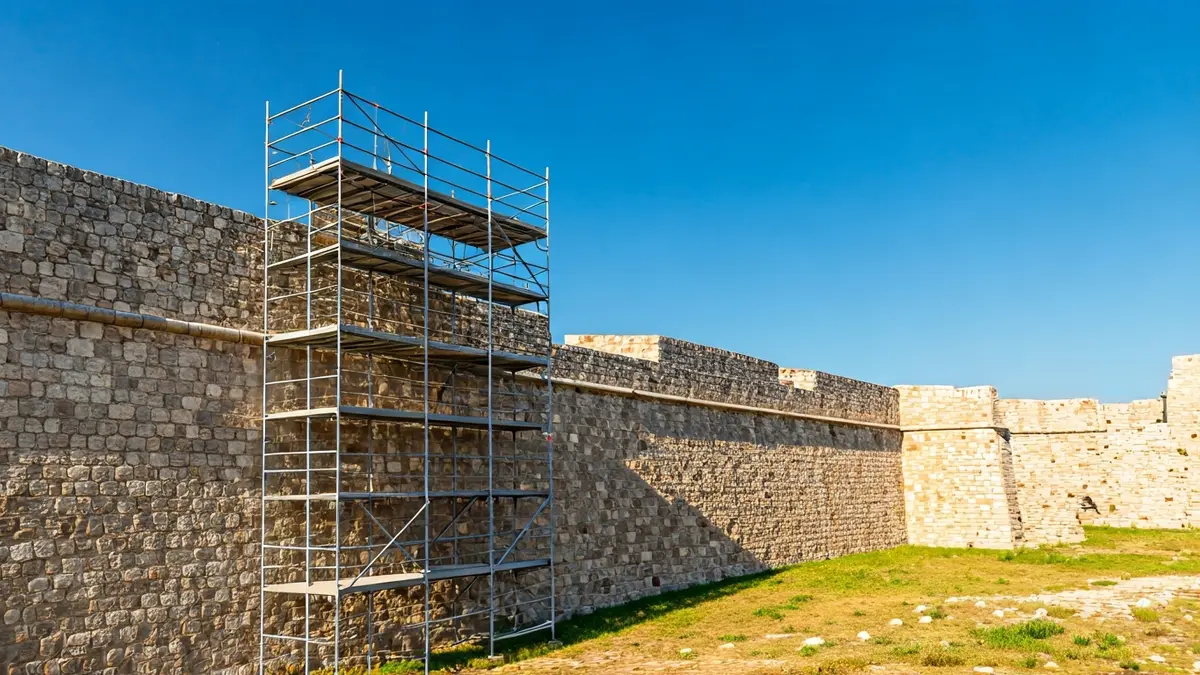
The Deputy of Municipal Infrastructures, José Luis Agea, has overseen the progress of the works, highlighting the complexity of this intervention affecting various squares and gates of the wall's layout and the defensive remains of the town. Areas impacted include the Puerta y Plaza de La Villa, the Puerta de Palo and 1ª Barrera, the Plaza Bajo La Toba, the old Vaquería, and the Plaza de los Tobones.
The project, with a budget exceeding 2.3 million euros, aims to improve accessibility and restore the fortress's original layout. Existing elements will be replaced with solutions more integrated into the environment, such as 'escalirrampa' type stairs, and small squares and viewpoints will be created, in addition to installing new urban furniture.
The project also includes repaving streets and squares with materials appropriate to the surroundings, improving accessibility with new routes and handrails, and restoring unique elements such as the natural caves of La Toba. Funding comes from Next Generation EU funds of the Recovery, Transformation and Resilience Plan of the Government of Spain, and the execution is carried out by Tragsa, under an agreement with the Jaén Provincial Council.
The Villavieja Castle and Fortress of Beas de Segura are the historical origin of the town, with roots in the Andalusian era (9th and 10th centuries) as an alcazaba for territorial control. After the Christian conquest in the 13th century, it passed into the hands of the Order of Santiago, which integrated it into its military network. Although much of its structures deteriorated over time, its heritage value is now recognized, and efforts are underway to integrate it into the cultural and tourist development of Beas de Segura.