AlmeríaCádizCórdobaGranadaHuelvaJaénMálagaSevillaAlpujarra AlmerienseLos VélezComarca Metropolitana de AlmeríaFilabres-TabernasLevante AlmeriensePoniente AlmerienseValle del AlmanzoraBahía de CádizCampiña de JerezCampo de GibraltarCosta NoroesteLa JandaSierra de CádizAlto GuadalquivirCampiña de BaenaCampiña Sur CordobesaLos PedrochesCórdoba (comarca)SubbéticaValle del GuadiatoValle Medio del GuadalquivirAlpujarra GranadinaComarca de AlhamaComarca de BazaComarca de GuadixComarca de HuéscarComarca de LojaCosta GranadinaLos MontesValle de LecrínVega de GranadaEl AndévaloEl Condado de HuelvaCosta OccidentalCuenca MineraComarca Metropolitana de HuelvaSierra de HuelvaÁrea Metropolitana de JaénCampiña de JaénEl Condado (Jaén)La LomaSierra de CazorlaSierra MáginaSierra MorenaSierra de SeguraSierra Sur de JaénLas VillasComarca de AntequeraLa AxarquíaGuadaltebaCosta del Sol OccidentalMálaga Costa del SolNorormaValle del GuadalhorceSerranía de RondaSierra de las NievesAljarafeBajo GuadalquivirCampiña de CarmonaCampiña de Morón y MarchenaComarca de ÉcijaComarca Metropolitana de SevillaSierra Norte de SevillaSierra Sur de SevillaVega del GuadalquivirAlmeríaCádizCórdobaGranadaHuelvaJaénMálagaSevillaAlpujarra AlmerienseLos VélezComarca Metropolitana de AlmeríaFilabres-TabernasLevante AlmeriensePoniente AlmerienseValle del AlmanzoraBahía de CádizCampiña de JerezCampo de GibraltarCosta NoroesteLa JandaSierra de CádizAlto GuadalquivirCampiña de BaenaCampiña Sur CordobesaLos PedrochesCórdoba (comarca)SubbéticaValle del GuadiatoValle Medio del GuadalquivirAlpujarra GranadinaComarca de AlhamaComarca de BazaComarca de GuadixComarca de HuéscarComarca de LojaCosta GranadinaLos MontesValle de LecrínVega de GranadaEl AndévaloEl Condado de HuelvaCosta OccidentalCuenca MineraComarca Metropolitana de HuelvaSierra de HuelvaÁrea Metropolitana de JaénCampiña de JaénEl Condado (Jaén)La LomaSierra de CazorlaSierra MáginaSierra MorenaSierra de SeguraSierra Sur de JaénLas VillasComarca de AntequeraLa AxarquíaGuadaltebaCosta del Sol OccidentalMálaga Costa del SolNorormaValle del GuadalhorceSerranía de RondaSierra de las NievesAljarafeBajo GuadalquivirCampiña de CarmonaCampiña de Morón y MarchenaComarca de ÉcijaComarca Metropolitana de SevillaSierra Norte de SevillaSierra Sur de SevillaVega del Guadalquivir

Smoke from distant fires deteriorates air quality in Jaén

Fine particles from fires in Madrid, Ávila, and Toledo have traveled hundreds of kilometers, affecting respiratory health.

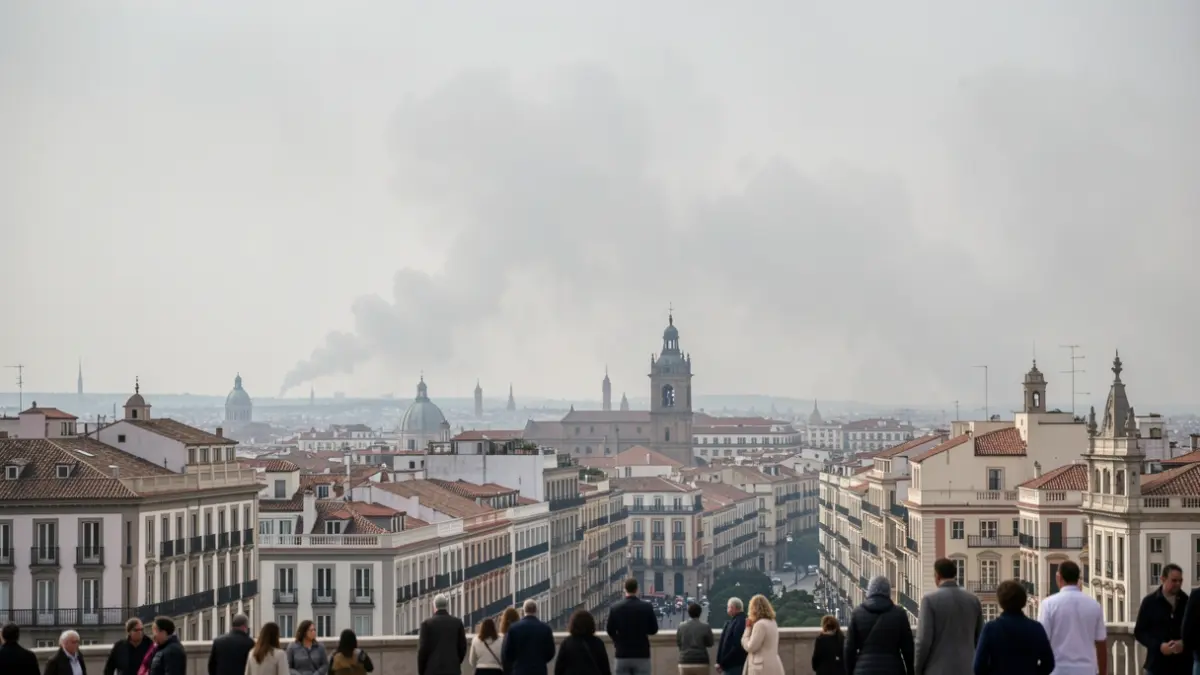
Hazy sky over a Spanish city skyline with a visible layer of smoke.
IA

Hazy sky over a Spanish city skyline with a visible layer of smoke.

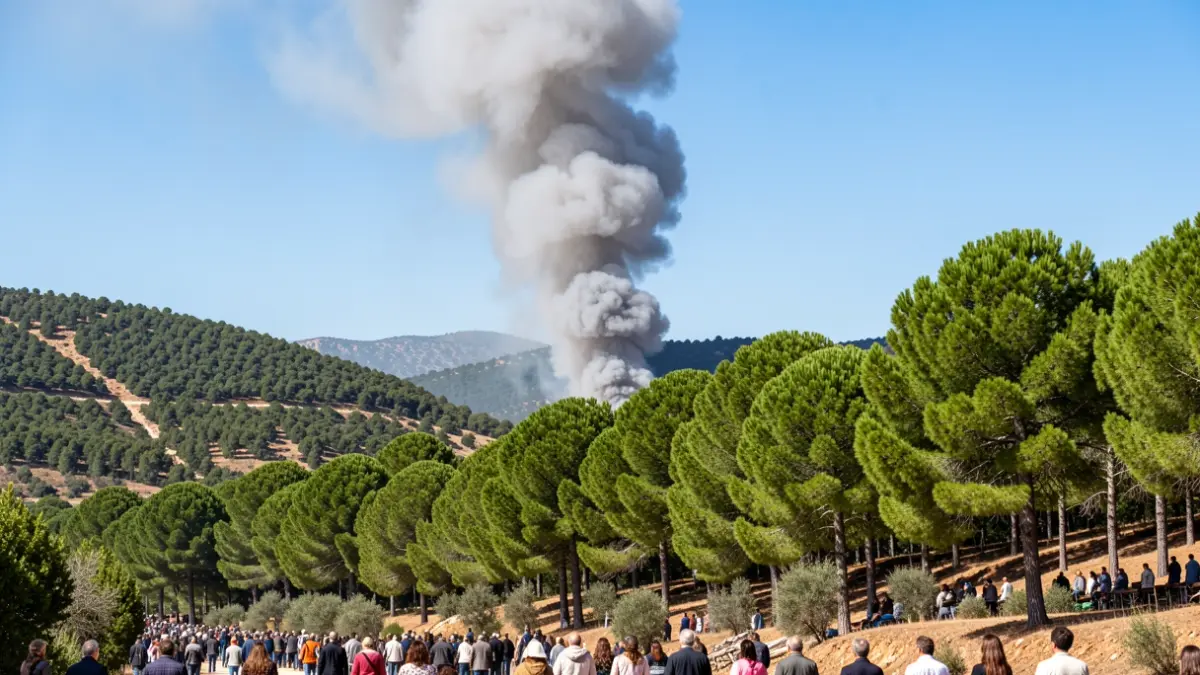
Smoke from forest fires declared in Madrid, Ávila, and Toledo has reached the province of Jaén, deteriorating air quality and causing concern among residents due to the presence of suspended particles.

The leaden sky and burnt smell observed on Sunday and Monday in many parts of Jaén province alerted numerous residents, who made many calls to the 112 Emergency Service. Large amounts of smoke generated by fires in central Spain have traveled hundreds of kilometers to reach the province.
Data from the IQAir portal indicated that the concentration of PM2.5 particles in Jaén exceeded the WHO's annual reference level by 2.4 times, although the air quality index remained at a moderate risk level. The 112 service warned that the smoke could persist, and that even smaller and more harmful particles, not measured by this device, had also been displaced.
Lucas Alados-Arboledas, a researcher from the Atmospheric Physics Group (GFAT) at the University of Granada (UGR) and the Interuniversity Institute for Earth System Research in Andalusia (IISTA), explains that the smoke's long-distance travel is due to the magnitude of the fires and atmospheric conditions, particularly wind.
"Every summer there are fires in Canada and the smoke has reached Europe," recalls the researcher. On this occasion, the fires were closer, and a northerly or northwesterly airflow favored the descent of the smoke mass towards the peninsular south.
Alados-Arboledas compares the phenomenon to episodes of Saharan dust: "Wind is capable of transporting particles over enormous distances." The scale of the recent fires has made the phenomenon more evident than in similar situations last summer.
The expert details that smoke is composed of very small particles, such as soot, many of them smaller than PM2.5. Depending on the vegetation and terrain, mineral particles may also be incorporated. "The ones that travel furthest are precisely the smallest particles," he notes, and they pose the greatest health risk.
These fine particles can penetrate the respiratory tract and even enter the bloodstream. Soot contains potentially carcinogenic compounds and, in addition to affecting health, impacts the climate by absorbing solar radiation. Alados-Arboledas considers wildfire smoke to be "more aggressive" than haze or typical pollution.
The researcher emphasizes that wind is decisive, fueling the fire and transporting the smoke. Atmospheric circulation pushed the pollution from central Spain's fires southward, reaching provinces like Jaén.
Looking ahead, Alados-Arboledas warns that such episodes could occur more frequently due to rising extreme temperatures, which increase the risk of fires.