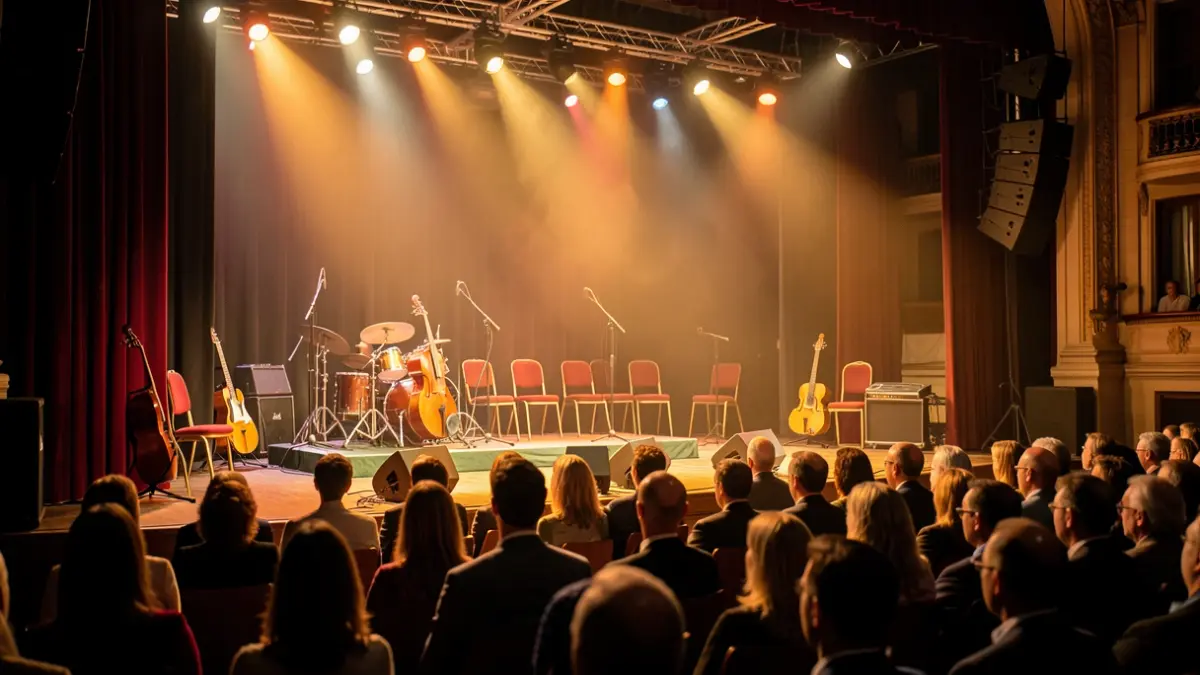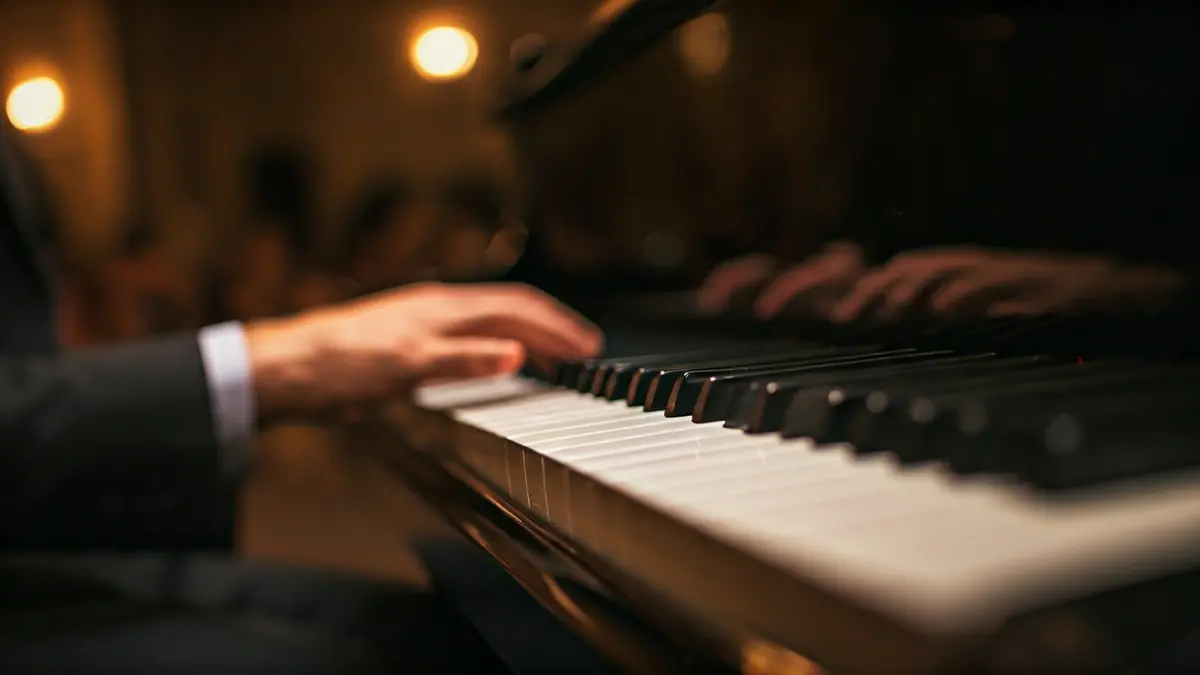
As pianists compete on the stage of the Infanta Leonor Theater, a group of eight international piano figures listens, analyzes, and assesses each performance at the Jaén Piano Prize. This jury, in a state of focused silence, deliberates on the future of the contestants, a task that, although discreet, carries great responsibility.
“"Technique isn't everything. It has to be there, but the fundamental thing is expressiveness, the idea that you are breathing with the music."
Argentine concert pianist Daniel Levy, a jury member, emphasizes that technical perfection is necessary but not sufficient. The key lies in the expressiveness and the ability of performers to emotionally connect with the music. This view is shared by pianist Pilar Bilbao, who highlights the growing level of the competition and its importance for young talents.
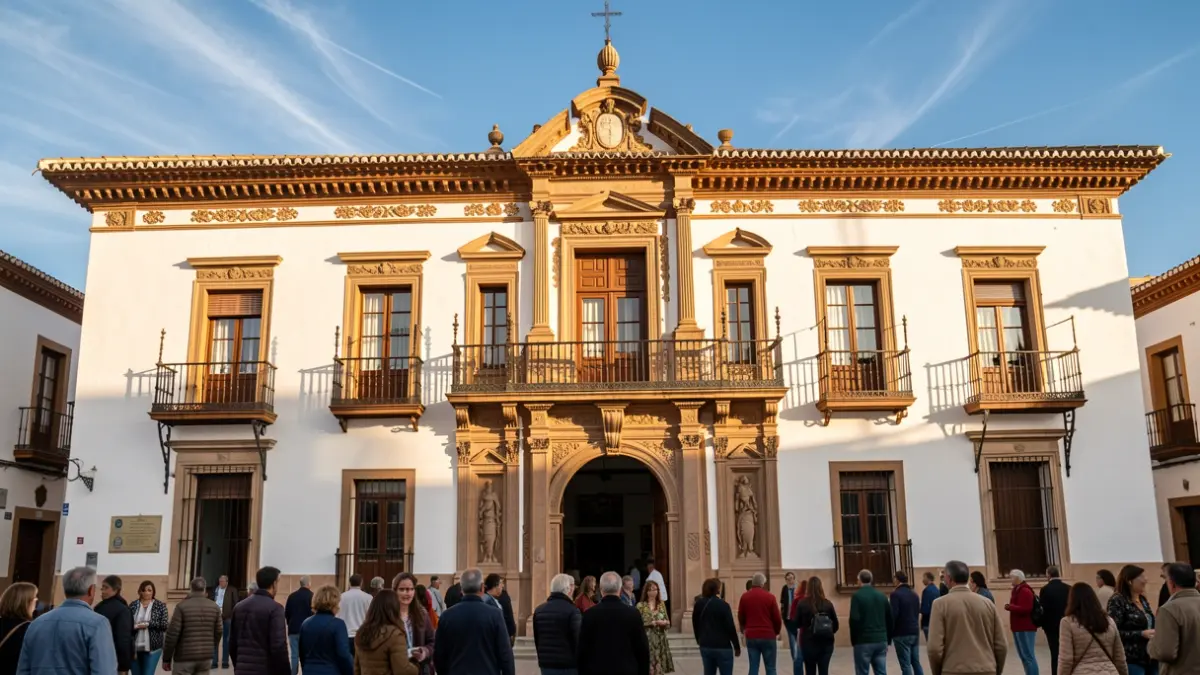
Leading the jury is Albert Attenelle, president and an essential figure in Spanish piano, whose career connects with the tradition of masters like Albéniz or Granados. Attenelle stresses that the city of Jaén is a distinctive element of the competition, along with the high level of preparation of young pianists, which has significantly increased over the years.
“"What makes this competition special is, first and foremost, the city. Each time, young people come better prepared and offer higher levels."
As the competition progresses, the jury's work intensifies. The upcoming rounds, which will include chamber music and orchestra, will be crucial for identifying a comprehensive pianist. Although the process may seem rigorous, jury members, such as Pilar Bilbao, highlight the good atmosphere and the welcoming nature of the competition and the city of Jaén.