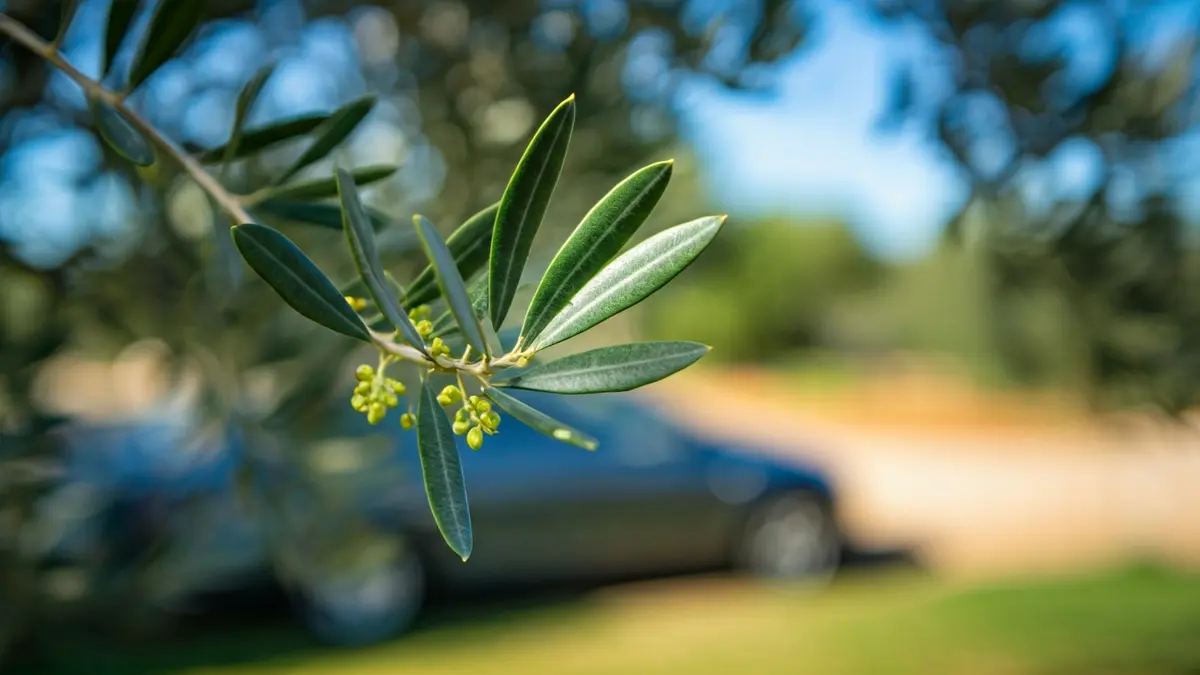
Initial data provides a temporary reprieve for residents of Jaén, particularly those sensitive to olive pollen, which currently registers only 3 grains per cubic meter of air. This figure is well below the 400-grain threshold that the local allergology unit considers the reactivation point for sensitive patients.
Despite this favorable beginning, specialists warn that the calm is temporary. Abundant rainfall recorded during the winter suggests that spring will be particularly challenging, with pollen concentrations, especially from olive trees and grasses, potentially exceeding those of previous years.
“"It is crucial to follow the prescribed treatment before pollen levels reach their peaks, as this can make a significant difference and prevent complications."
Of the ten species monitored in the initial measurements, only grasses (36 grains/m³) and nettles (12 grains/m³) show a medium level. The rest, including quercus (23), cypress (11), pine (15), plane tree (10), rumex (2), plantago (2), and chenopodium (1), remain at low levels. Olive pollen, with its indication of minimal levels, offers momentary relief for the 97% of Jaén allergy sufferers sensitized to this pollen.
The recent history of pollen levels in Jaén underscores the need for vigilance. In 2025, rainfall and rising temperatures led to a peak of 7,711 grains per cubic meter. The historical record was set in May 2015, with 19,840 grains per cubic meter. Given that the 2025/26 winter has been exceptionally rainy, with Jaén's reservoirs nearing 90% capacity, experts anticipate that the second half of April and the month of May will be the most critical periods for allergy sufferers in the province. Daily information on pollen concentration, available until June on the Jaén University Hospital's social media, allows affected individuals to take preventive measures and adjust their treatments.