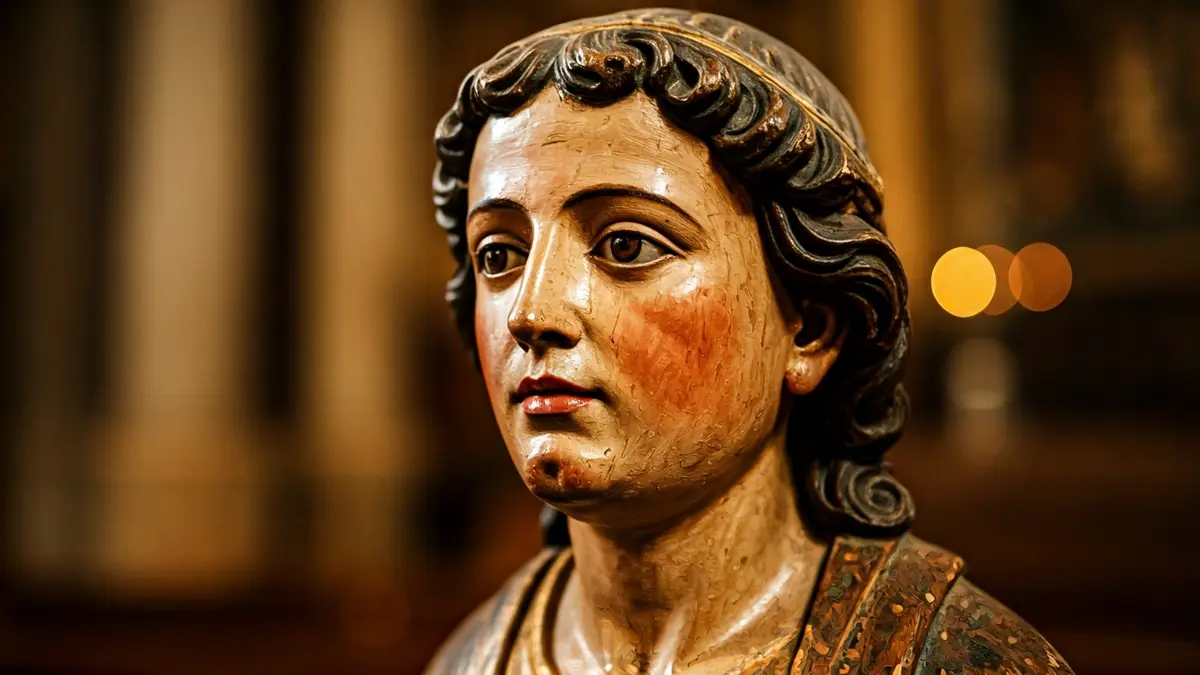
The decision to bring a mobile laboratory to the sanctuary itself, rather than moving the sculpture to the IAPH headquarters in Seville, highlights the fragility and historical significance of a piece that boasts over four centuries of history. This approach minimizes the inherent risks of transport and allows specialists to work in a controlled environment, within the image's usual setting.
Popularly known as 'El Abuelo', this figure, which embodies one of the deepest devotions in the city of Jaén, is a work attributed to Sebastián de Solís, a prominent sculptor and imagery artist from Jaén during the Modern Age. Its creation dates back to the late 16th and early 17th centuries, and its origin is linked to the Convent of San José de los Padres Carmelitas Descalzos, founded in 1588, making it a living testament to faith and popular devotion in Jaén throughout the centuries.
The preventive conservation work carried out this week is crucial for timely detection of any alterations that could compromise the integrity of the carving. IAPH technicians meticulously analyze the condition of the support, the pictorial layer, and the constituent elements of the sculpture, establishing the necessary measures to ensure its long-term preservation.
This monitoring is particularly important for processional images, such as 'El Abuelo' during Holy Week, when the carving is exposed to environmental and mechanical conditions that can accelerate its deterioration. The primary objective is to balance the devotional and processional use of the image with the need to preserve its constituent materials.
The IAPH has consistently worked to raise awareness among Andalusian brotherhoods and confraternities, offering training courses and maintenance protocols adapted to the specific characteristics of processional assets. These initiatives have fostered a culture of preventive conservation among the entities that safeguard this invaluable tangible and intangible heritage.