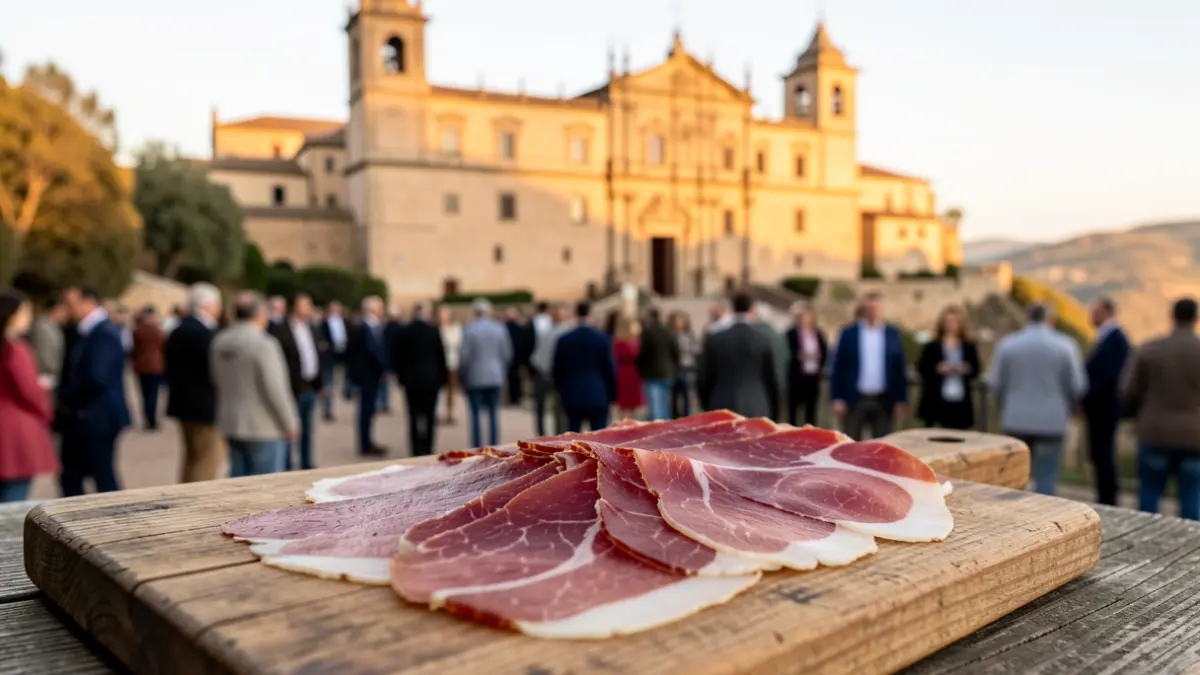
The TVE program, ‘De Tapas por España’, traveled to Jaén to discover its gastronomic culture, beyond its reputation as the "world capital of olive oil". Presenter Adrienne Chaballe explored historic taverns and restaurants with Michelin stars, emphasizing the quality and the desire to repeat the culinary experience.
During her visit to the Panaceite tavern, Manuel Valderas, its manager, showed Chaballe the preparation of the Jaén-style pipirrana. He detailed the key steps, from the initial pounding of garlic, salt, and green pepper, to the addition of extra virgin olive oil, chopped tomato, tuna, and egg. Valderas stressed the use of a wooden mortar to enhance the flavor. Chaballe expressed surprise at the dish's freshness and taste, calling it "comforting despite being a healthy vegetable".
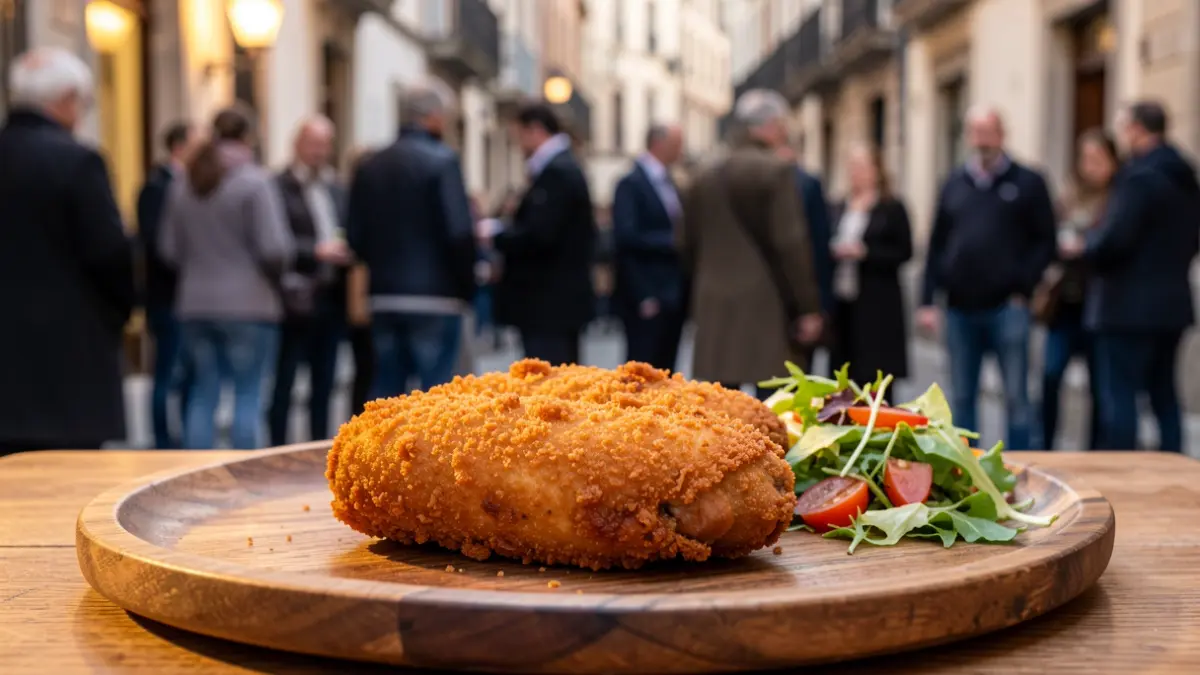
Surprise arose when trying the flamenquín. Chaballe asked if it wasn't a dish from Córdoba, to which Valderas humorously replied and explained its origin in Jaén, specifically in Andújar. He detailed that a couple from Estación de Espeluy, along with a cook friend from Bujalance (Córdoba) named Antonio, invented the dish by rolling loin, cured ham marinated in sweet wine, coated in egg and breadcrumbs, and named it 'flamenquín' due to its 'flamenco' appearance.
The tradition of tapas in Jaén was also a focus. Valderas explained that a free tapa is offered with each drink, acting as a courtesy appetizer, in addition to the portions usually ordered. The presenter also visited the San Ildefonso neighborhood, known for its gastronomic offerings, home to both traditional taverns and Michelin-starred restaurants like Bagá and Radis.
At Bagá, chef Pedrito Sánchez (a public figure in the context of his work) prepared a beetroot dish, highlighting his work with uncommon local products and the "surf and turf" combination. At Radis, Juanjo Mesa presented innovative proposals such as seasonal mushroom flower and beef 'pepito' mochi. The visit concluded at Taberna El Hortelano, tasting 'violetes de Porcuna' and a spinach and cod stew, and at Bar La Barra, a mecca for migas, where Carlos de Pablo Morales explained its humble origins and the preparation of this typical dish.
The presenter reflected on the social custom of going out for tapas in Jaén, both at midday and at night. She tasted the small bread roll with 'morcilla en caldera' and the 'pisto cortijero', concluding that vegetables are a fundamental element in Jaén's cuisine, reflecting the importance of its vegetable gardens in its traditional recipe repertoire.