The ALIA project, involving the SINAI research group from the University of Jaén, is a Government initiative within the framework of the National Artificial Intelligence Strategy 2024. Its primary goal is to ensure technological and linguistic sovereignty by developing open and transparent language models, specifically trained in Spanish and co-official languages.
This platform aims to reduce dependence on large international platforms and ensure compliance with European data processing standards. A project spokesperson highlighted that the initiative represents a strategic response to current challenges in language technology and artificial intelligence.
“"The answer lies essentially in technological independence. With ALIA, the goal is to regain that linguistic and technological sovereignty."
Currently, ALIA already has four use cases developed in collaboration with companies. In the dental field, its models are used to interpret dentists' clinical language, automatically translating medical notes into SNOMED CT codes, the international standard. This facilitates diagnosis and healthcare information management.
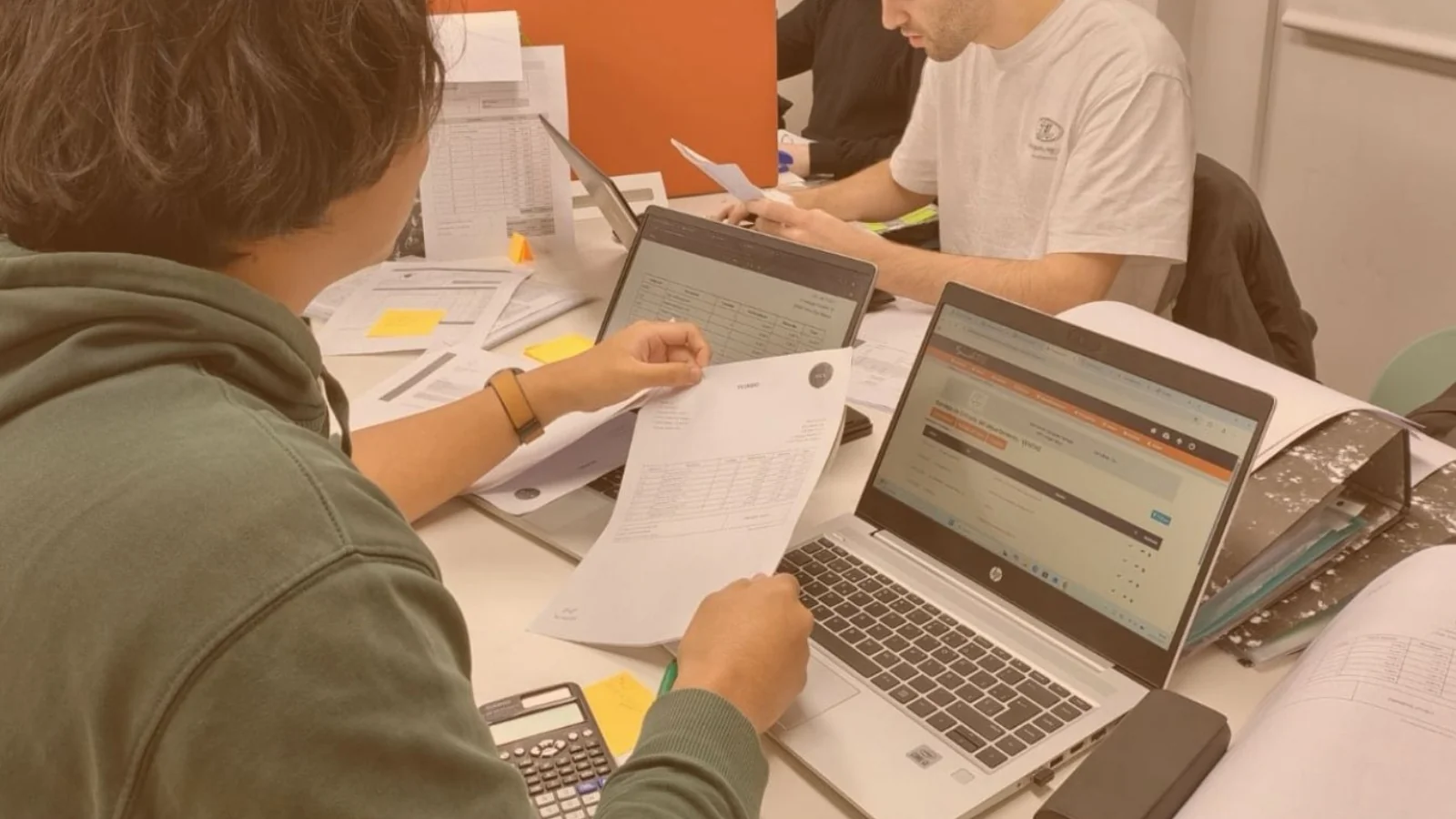
In the tourism sector, a natural language-based system has been created to access the vast Andalusian heritage, facilitating cultural information queries and personalized route creation. Additionally, the project includes a conversational assistant for therapeutic and psychological support, as well as tools to simplify administrative procedures through artificial intelligence.
The project is in a very advanced stage, with one of the use cases already completed and the rest in their final development stages. Extensive text corpora have been compiled, and specialized language models (SLM) have been created for sectors such as biosanitary and legal-administrative.
Once this phase concludes, scheduled for late June, the models will be made available in the ALIA Kit repository, through the Barcelona Supercomputing Center. The next step will be their implementation in companies and administrations, with the aim that these tools are used to respect cultural identity and richness.