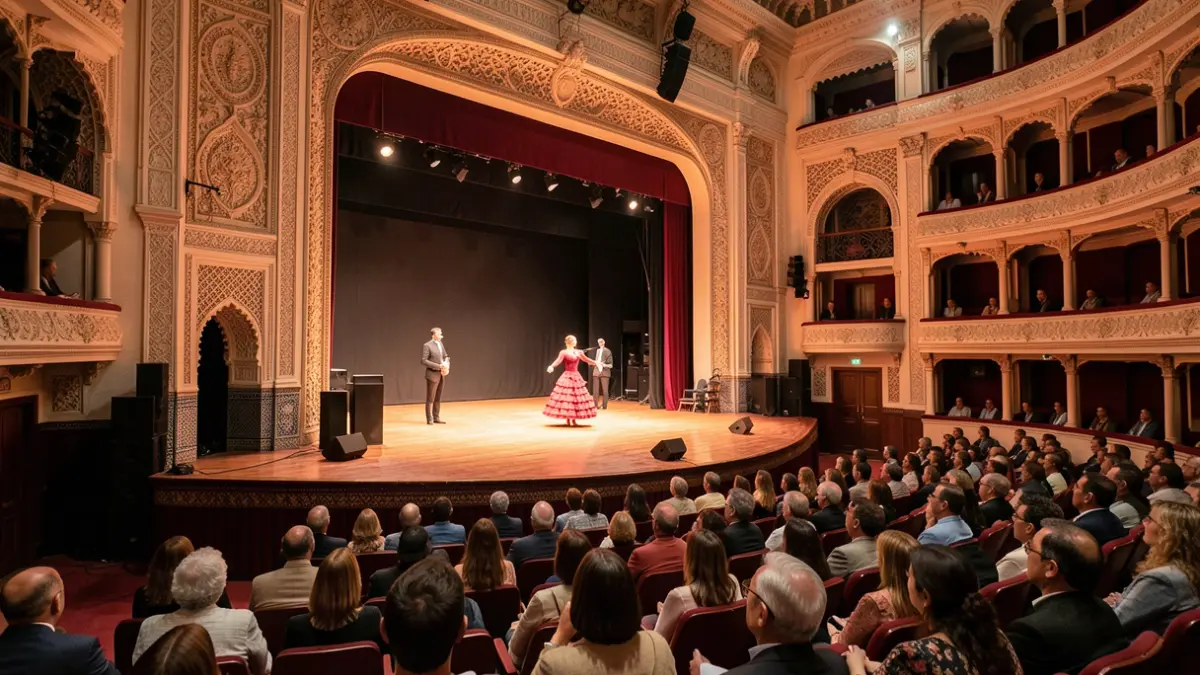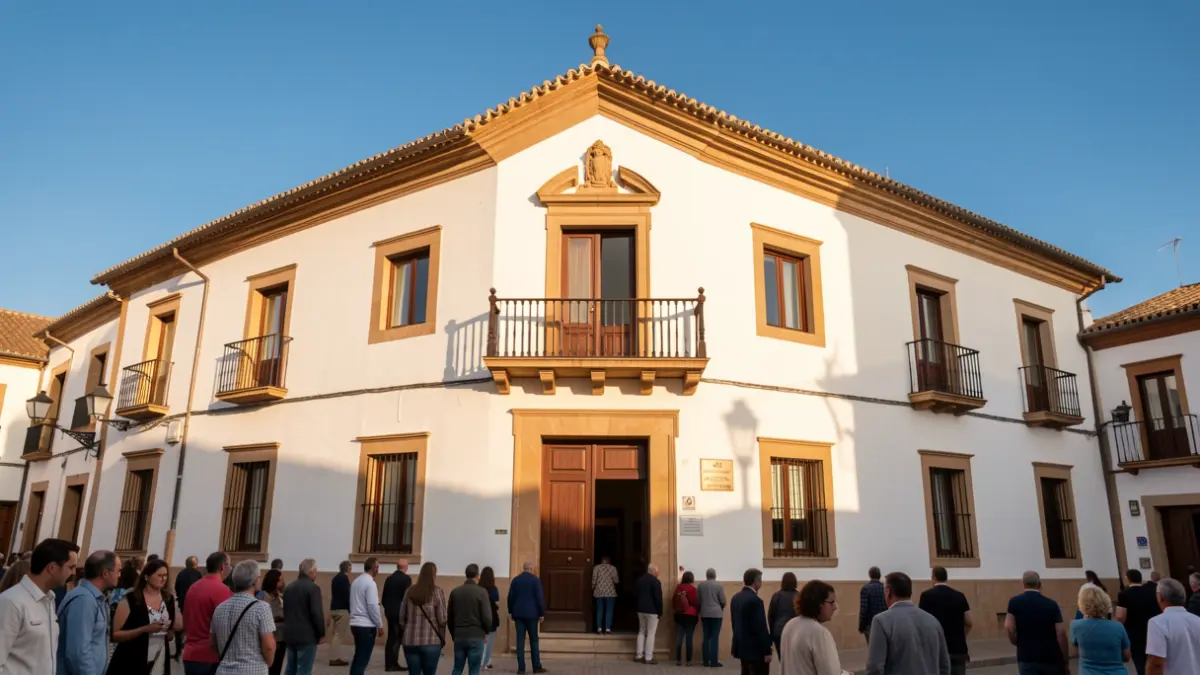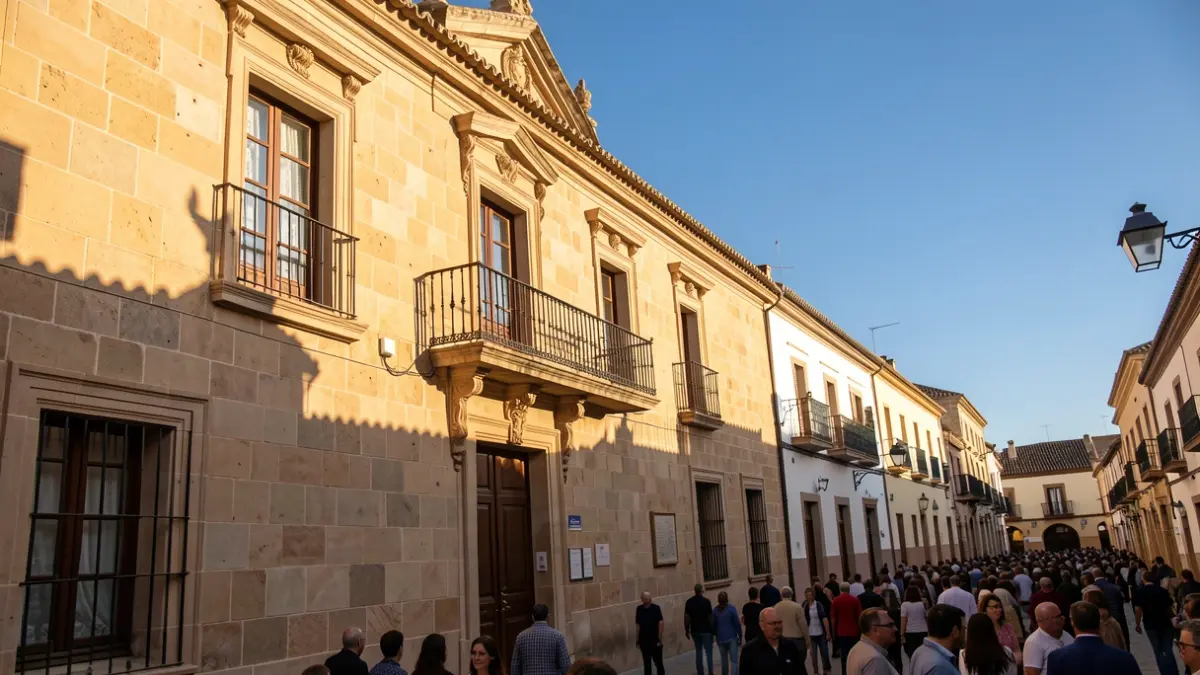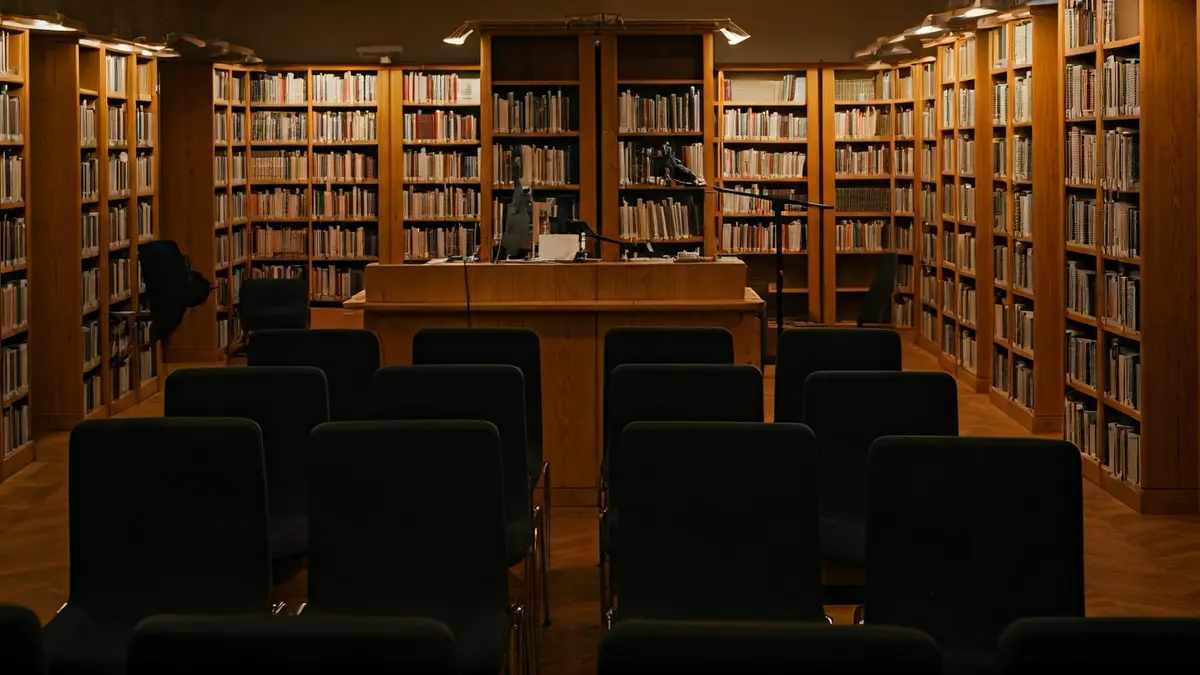
The Andalusian Center of Letters, part of the Ministry of Culture and Sport and managed by the Andalusian Agency of Cultural Institutions, has scheduled a cultural agenda for April at the Huelva Provincial Public Library. The activities, taking place on April 8th, 15th, and 23rd, will begin at 7:30 PM and offer free admission until full capacity is reached.
The first event, on April 8th, will feature the Huelva-born writer Juan Cobos Wilkins. The author will discuss the re-edition of his first poetry collection, Espejo de príncipes rebeldes (Editorial El Toro Celeste), written when he was just 18 years old, in a conversation with fellow poet Carlos Fernández Martín. This session will revisit a work that gathers the author's early texts, exploring the loss of Paradise as a starting point for identity through the figure of the fallen angel.
Cobos Wilkins' career spans poetry and narrative, with works translated into several languages. His novel El corazón de la tierra was adapted into a film by Antonio Cuadri, winning the Best Latin Film Award at the Los Angeles Festival and two nominations for the Goya Awards. He also received the El Público Award for his novel Mientras tuvimos alas in 2004. In the musical realm, his poems have been set to music by artists such as Arcángel and the group Planeta Jondo.
On April 15th, the Círculo Negro series will host Carlos Zanón, who will present his new novel, Objetos perdidos (Salamandra publishing house), in conversation with writer and communicator Félix Amador. The work delves into Barcelona's darkest corners, exploring complex and lost characters in a suspenseful plot. Zanón is the author of several poetry collections and novels, including Nadie ama a un hombre bueno and Yo fui Johnny Thunders, the latter winning the Salamanca Negra, Novelpol, and Dashiell Hammett awards. Since 2018, he has been the curator of the BCNegra literary festival.
Finally, on April 23rd, Anabé Tarrou will share her personal and literary experience related to her novel La última planta (Ed Plaza& Janés), in dialogue with Professor Juan Manuel Durán. This autofiction work transforms the experience of cancer into a literary piece, blending genres such as fable, essay, diary, poetry, and theater to portray hospital routines, fear, humor, and pain. Tarrou, a Hispanic philologist, presents her first solo novel with this work.