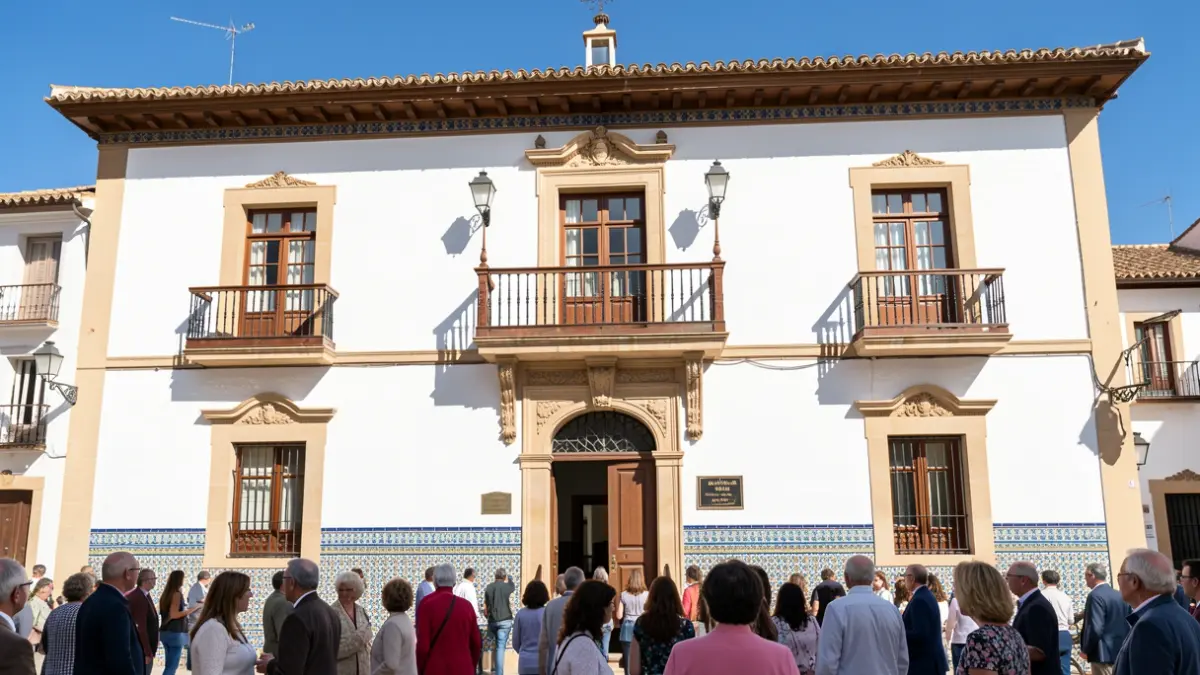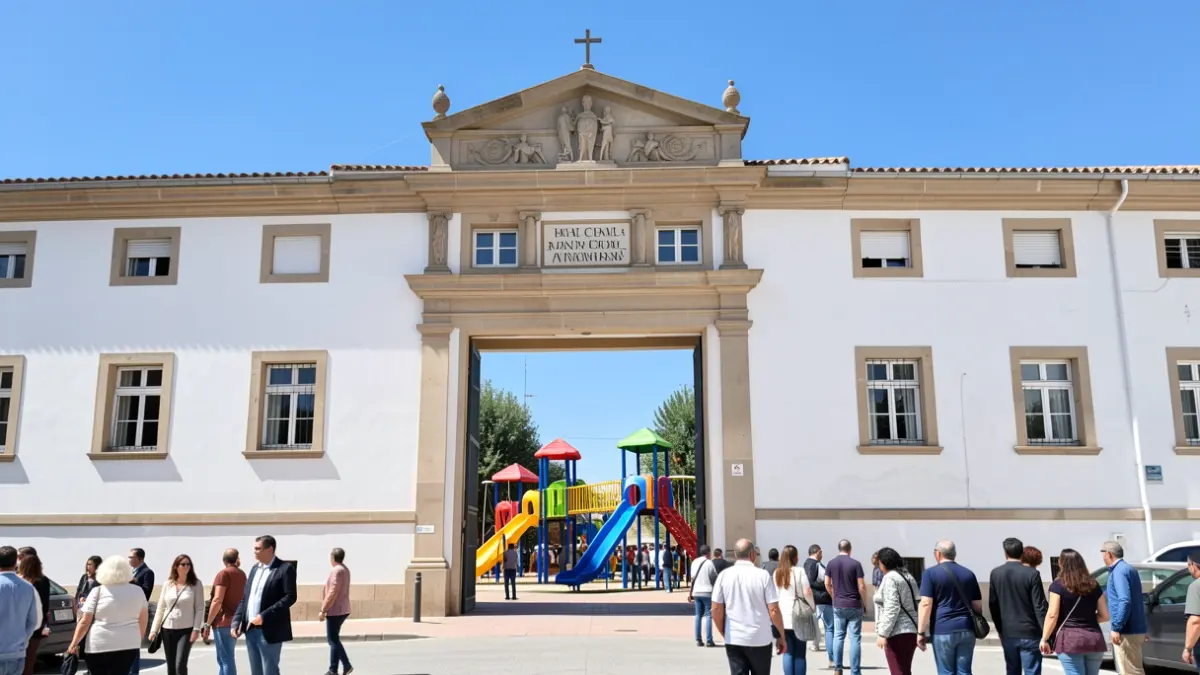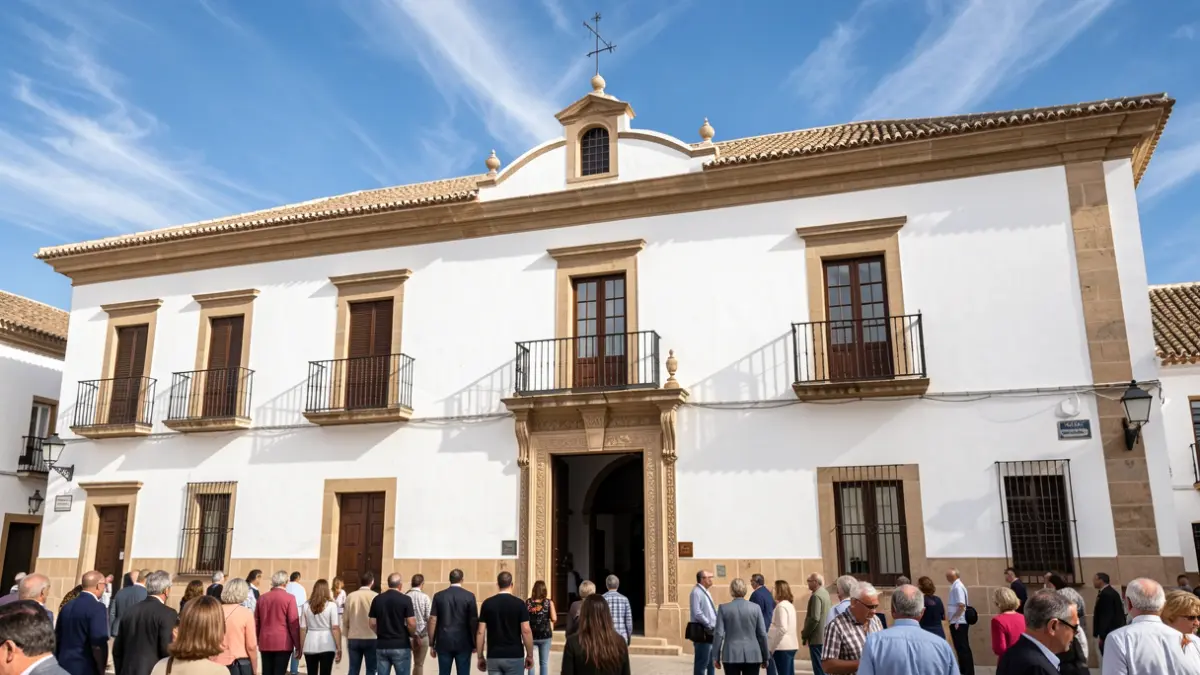
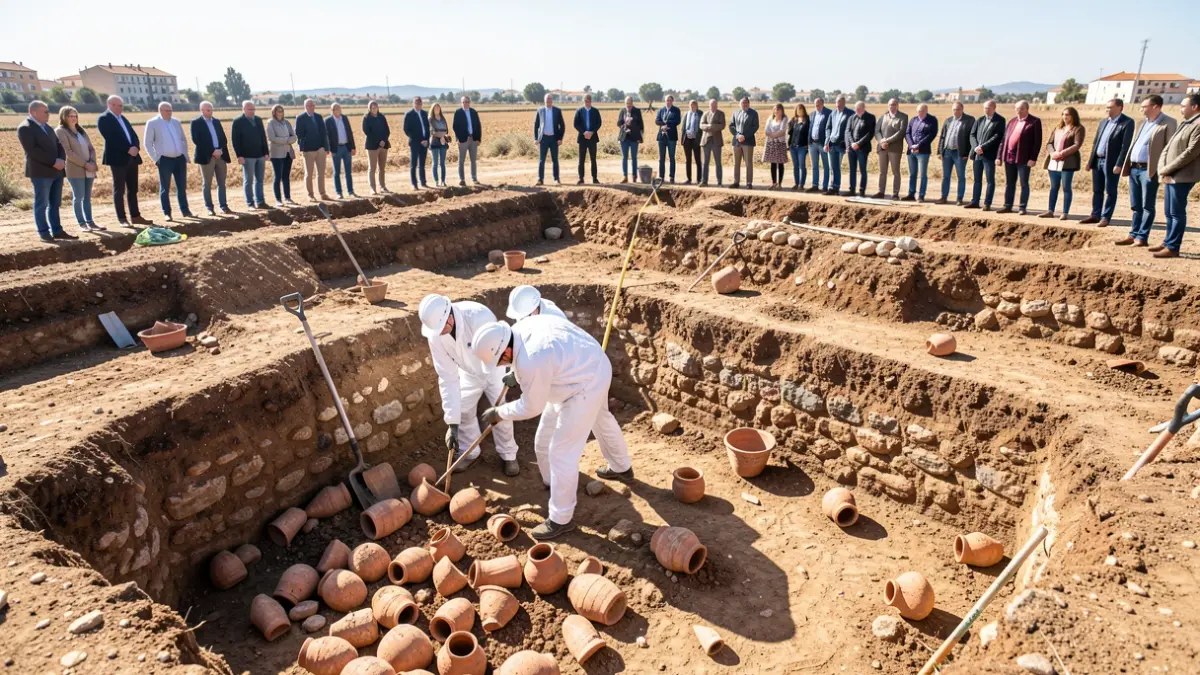
Researchers from Ghent University and the Autonomous University of Madrid, with collaboration from the University of Huelva and the University of Seville, along with the company Anfora and the Huelva City Council, have initiated an excavation project at the Archaeological Plaza in Huelva. The initiative has authorization from the Culture Department of the Junta de Andalucía.
The main objective is to understand the earliest phase of Huelva, known in Antiquity as Onuba. Its strategic location at the confluence of the Odiel and Tinto rivers with the Atlantic Ocean provided access to mineral resources, particularly silver from Riotinto, attracting Mediterranean traders, such as the Phoenicians, much earlier than previously thought.
While traditional historiography placed contact between Iberian and Eastern populations in the 8th century BC, recent discoveries suggest interactions dating back to the 10th century BC, challenging established ideas about the expansion of Mediterranean trade networks into Western Europe. Ancient references, such as those by Herodotus about Tartessos, and biblical accounts of fleets sailing to Tarsis, support the existence of early trade connections.
About 25 years ago, excavations at Calle Méndez Núñez and Plaza de las Monjas unearthed thousands of objects, including pottery, ornaments, and tools, radiocarbon-dated between 930 and 830 BC. However, the recovery of these materials from disturbed soil made their stratigraphic contextualization difficult, mixing objects from different periods.
Despite this limitation, around 90,000 objects were recovered, many preserved in waterlogged conditions. These include ceramics from various Mediterranean regions, local production, precious materials like amber and gold, evidence of metallurgical activity, and a wooden writing tablet, providing insights into trade networks and cultural interactions from the Bronze-Iron Age transition.
Previous excavations at adjacent sites, such as Calle Puerto 10 (1980), Puerto 12 (1989), and Calle Méndez Nuñez 7-11 (1998), had already confirmed the existence of a dense protohistoric urban fabric and remains of a sanctuary, further highlighting the importance of the current archaeological site.
The new project aims to answer key questions about the exact chronology of the settlement, the composition of its inhabitants (local, Phoenician, or mixed), its primary function (trade center, production hub, or both), and its relationship with the surrounding environment. To achieve this, two deep trenches (6x8 meters) will be opened down to the water table, using special equipment for water extraction and site protection.
The multidisciplinary team will employ advanced scientific techniques such as radiocarbon dating, dendrochronology, sediment analysis, study of organic remains, and metallurgical analysis to reconstruct Huelva's history between the 10th and 8th centuries BC and its role as a potential trade 'emporium'.
The initial days of excavation have focused on infrastructure installation, with the collaboration of the Huelva City Council. The stratigraphic sequence is being meticulously documented, including 19th and 20th-century phases, such as a 2010 coin and a 1999 Coca-Cola bottle, demonstrating the care taken in recording, although these lack significant heritage value.
The structures currently visible correspond to foundations and drainage infrastructure of buildings demolished in the late 20th century. Beneath these, older elements of the historic city are expected to be documented in the coming days.