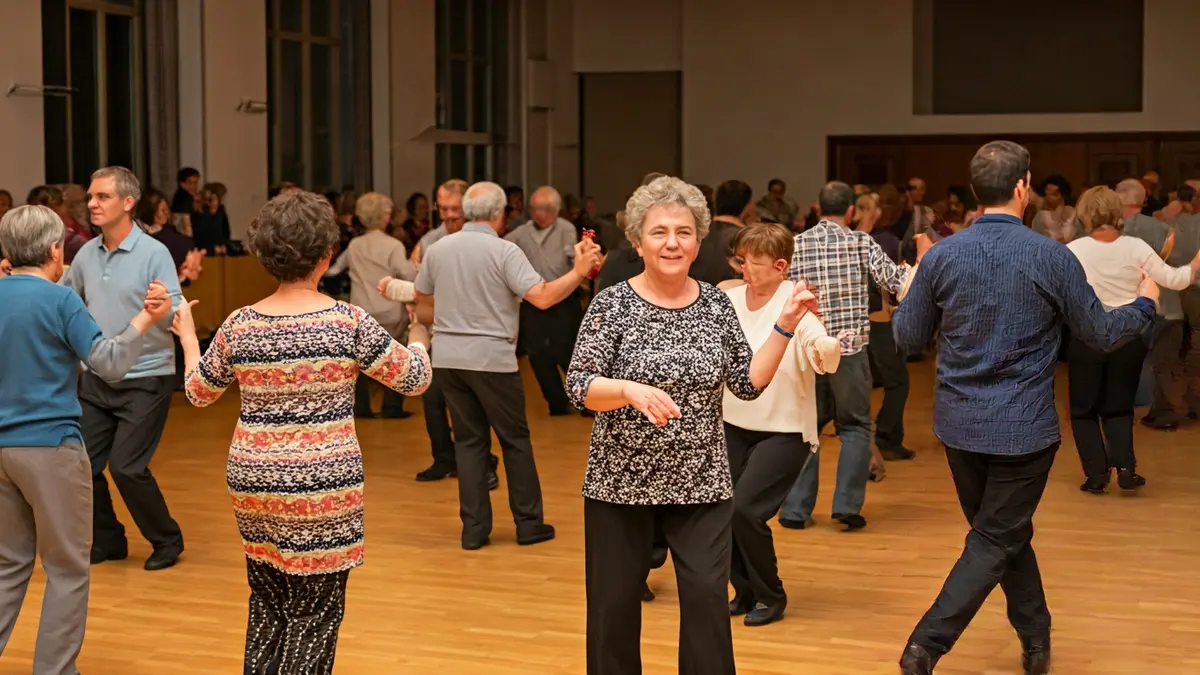
Coordinated by Constanza Mardones Sánchez, an occupational therapist and gerontologist, this activity has become a comprehensive empowerment strategy. The initiative, framed within the active aging policies of the Vice-Rectorate for Equality, Inclusion and Social Commitment, has seen remarkable participation.
Beyond the technical learning of dance steps, the workshop is conceived as a complete therapeutic intervention, generating essential biopsychosocial benefits for participants' health. Dance is presented as an effective tool against unwanted loneliness, promoting the creation of support networks, boosting self-esteem, and reinforcing a sense of self-efficacy.
The activity was not limited to the technical learning of Latin rhythms such as salsa, merengue, or bachata, but was conceived as a comprehensive therapeutic intervention.
Furthermore, the execution of choreographies stimulates cognitive function, requiring the active use of abilities such as sustained attention and memory, which are crucial for maintaining brain plasticity. Physically, rhythmic exercise significantly improves coordination and balance, vital factors for preserving autonomy and preventing falls.
A distinctive feature of this edition is its intergenerational approach. The workshop has been open to the entire university community, providing a space for learning and coexistence where young and old share experiences, breaking stereotypes and strengthening the institution's social fabric.