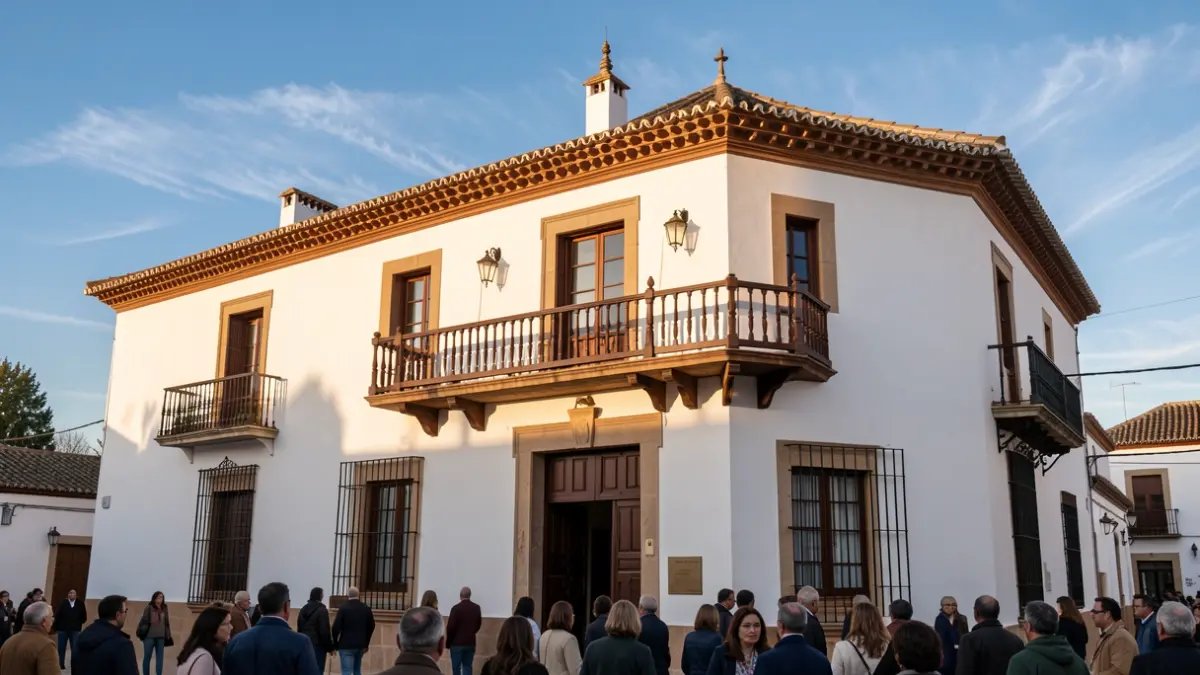
The Government of Spain has announced that those affected by the recent earthquakes in the Granada Metropolitan Area can benefit from state aid intended to mitigate damage caused by such emergencies. The Government Delegate in Andalusia, Pedro Fernández, and the Sub-delegate in Granada, José Antonio Montilla, visited towns such as Gójar and La Zubia to assess the damage and convey institutional support.
During the visits, accompanied by Civil Protection technicians, meetings were held with municipal officials, and affected areas were toured. Fernández highlighted the work of municipal services, security forces, and emergency personnel, as well as the citizens' responsibility. He noted that the Government is monitoring the seismic series and, in addition to safety, aims to facilitate access to aid mechanisms for those who have suffered damage.
Technicians from the CSIC, IGME, and IGN, under the ministries of Science and Transport, are available to competent administrations to provide specialized technical advice and support decision-making, forming part of the Advisory Committee for the Seismic Risk Emergency Plan.
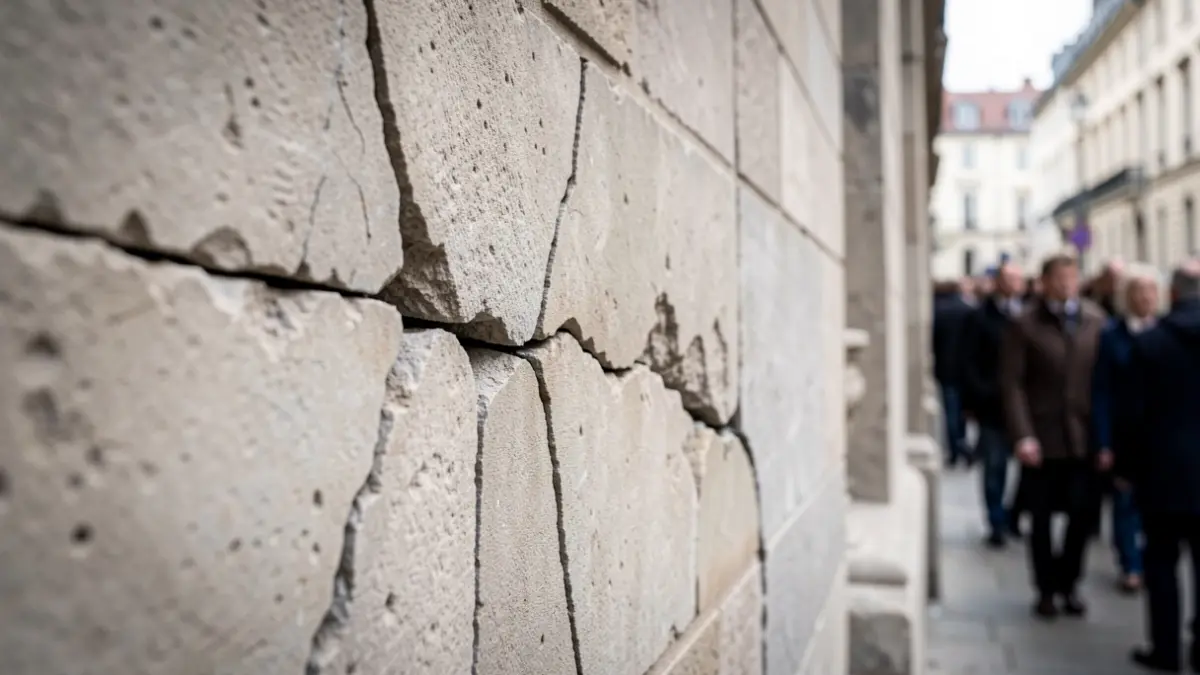
The province has registered a seismic series since August 14, with epicenters in Alhendín, Gójar, Armilla, and La Zubia. The two earthquakes of greatest magnitude reached Mw 4.8 on August 14 and 18, causing non-structural damage and the fall of objects in buildings in the epicentral zone.
It was recalled that aid is regulated by Royal Decree 307/2005 and covers cases such as damage to habitual residences, belongings, homeowners' associations, and industrial, commercial, and service establishments. Local corporations can access funding for expenses derived from unavoidable actions taken during or immediately after the emergency, aimed at ensuring essential public services and people's safety.
Fernández emphasized that the Government will support the municipalities, and the Sub-delegation will provide information and assistance for processing applications. The general deadline for submitting these applications is one month from the day after the events occurred, and they can be submitted to the Government Sub-delegation in Granada or other authorized registries.
Pedro Fernández called for calm and responsibility, urging adherence to the instructions of authorities and staying informed through official sources. Basic self-protection recommendations were recalled, such as moving away from elements that could fall in public areas and seeking shelter under resistant structures inside buildings.
Finally, the importance of coordinated work with municipalities, adequate damage assessment, and providing rigorous and useful information was stressed, ensuring the agility and commitment of the Spanish Government to address the damages incurred.