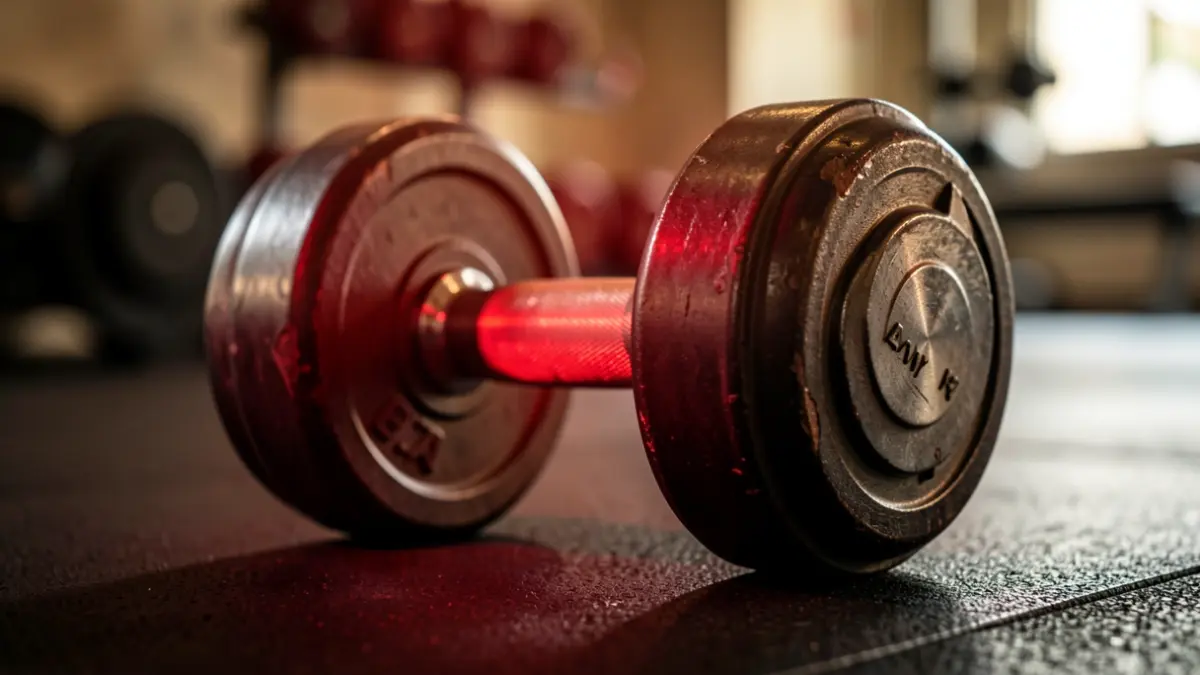
The pursuit of a "perfect" physique through rapid muscle gain has become an obsession for many, particularly among young gym-goers. However, the Spanish Society of General and Family Physicians (SEMG) has issued a clear warning during its national congress: the use of anabolic steroids outside of a medical context and the normalization of extreme high-protein diets pose serious health risks.
Dr. Rodrigo Santos Santamarta, a member of the SEMG's Sports Medicine Working Group, notes that this phenomenon is no longer limited to professional bodybuilding. "We are seeing young men who do strength training, recreational gym users, and even women seeking rapid physical transformation who perceive these substances as relatively normalized or controlled, when they are not," he explains. The specialist emphasizes that the problem lies in turning exercise and healthy eating into a "race for immediate results," which can lead to harm.
The risks associated with anabolic steroid use are numerous, ranging from physical issues such as hypertension, cholesterol abnormalities, liver damage, infertility, sexual dysfunction, or gynecomastia, to an increased risk of cardiovascular problems and coronary issues in young individuals. Furthermore, significant psychological impacts are observed, including anxiety, irritability, sleep disturbances, depressive symptoms, and body image-related dependency.
Social media is identified as a concerning factor, as many fitness profiles display unrealistic physical transformations, concealing the use of substances, filters, or image editing. "The message is often overly simplified, and the risks are barely discussed," warns the SEMG specialist.
The SEMG also alerts to the indiscriminate use of shakes and high-protein diets. Doctors remind that protein needs vary with physical activity and that "more protein" does not automatically translate to "more muscle." Muscle development requires adequate training, sufficient energy, rest, and progression. They also caution that not all supplements are harmless and that "not everything commercialized has solid scientific evidence."
The medical conclusion is stark: while strength training and a balanced diet are beneficial, anabolic steroids without medical indication "are not a health strategy, but a risky behavior."