The latest edition of the Gravite Festival in Granada offers an immersive experience at the intersection of science and culture, centered around the theme of “time travel.” The activities scheduled for this Wednesday aim to stimulate reflection on the boundaries of human knowledge and creativity from various perspectives.
The morning session, starting at 11 AM, will focus on Mary Shelley's work, Frankenstein. The event, titled “What Does Frankenstein Teach Us?”, will take place at the San José Cemetery, in collaboration with Emucesa. Writers José Abad and Alfonso Salazar will engage in a dialogue with students about the novel's relevance and its connection to contemporary scientific dilemmas. Although the work does not directly address time travel, the festival proposes a modern interpretation that explores humanity's capacity to alter the natural order and the consequences of being ahead of one's time.
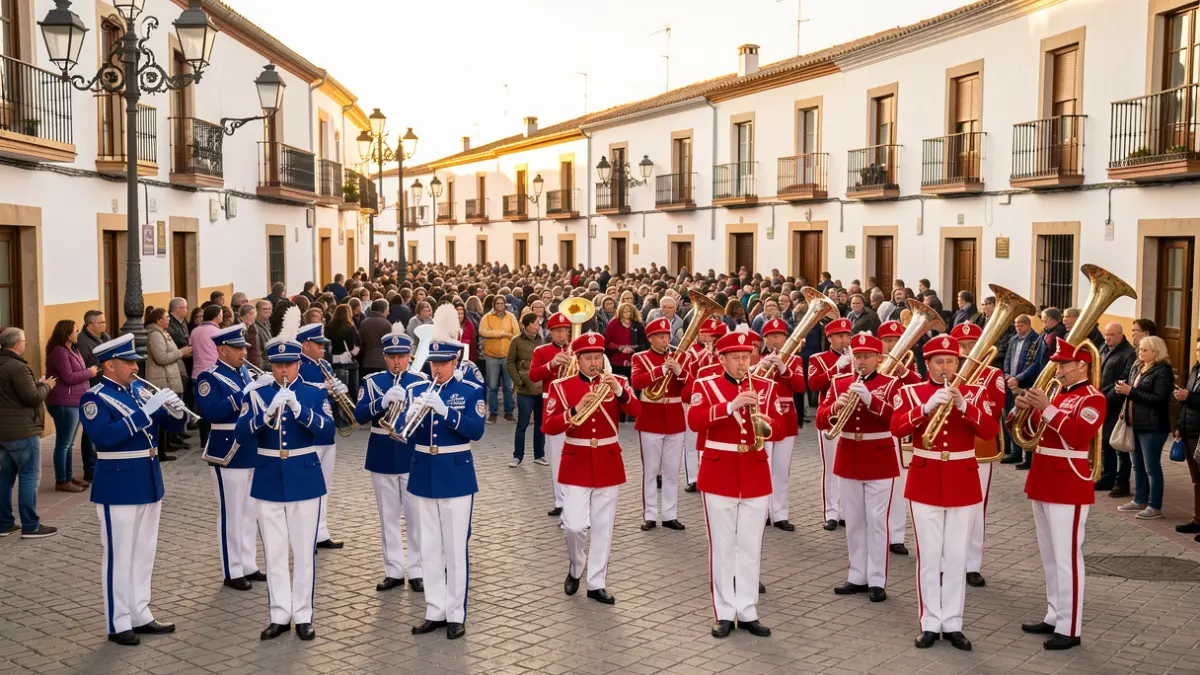
In the afternoon, at 7:30 PM, the La Chumbera Auditorium will host the traditional concert by the Granada Municipal Music Band. Under the direction of Ángel López Carreño, the repertoire has been carefully selected for this festival edition, aligning with its main theme, the infinite, offering the audience a musical experience that evokes the idea of time travel.
The Gravite Festival, launched in 2018 by Gustavo Gómez and Jesús Lens, reaffirms its commitment to bringing culture to emblematic city spaces. The event combines reflection, dissemination, and artistic proposals for all audiences, solidifying its dedication to a “third culture” that merges sciences with arts and letters. It is sponsored by CaixaBank and collaborates with the City Council and the University of Granada, the Ifmif-Dones Spain Consortium, Emucesa, and Librerías Picasso.