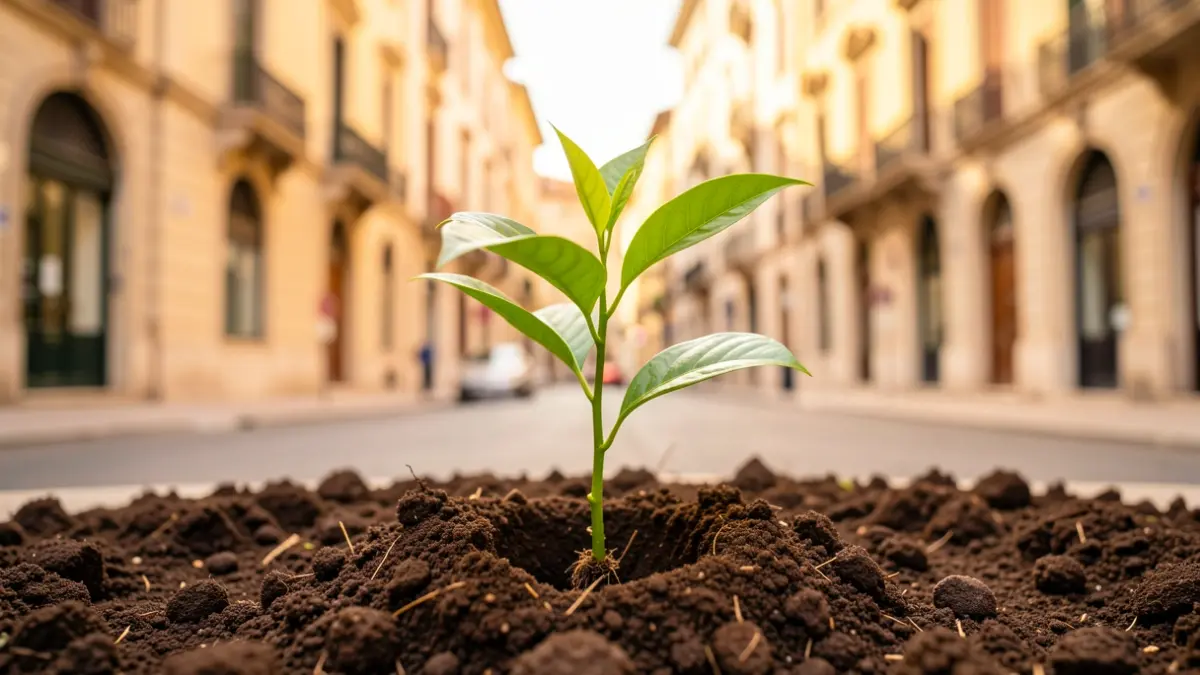
The City Council of Granada and Sanitas have completed a new phase of urban renaturalization. The planting of 185 trees and other plant species aims to transform the city into a healthier, more sustainable, and inclusive environment.
This project aligns with Sanitas's Healthy Cities strategy, which focuses on promoting active lifestyles, pedestrian mobility, and the revitalization of urban areas. The renaturalization efforts seek to mitigate the urban heat island effect and enhance the physical and mental well-being of residents.
In Granada, these interventions are intended to strengthen the city's green infrastructure, creating healthier and more connected environments. The goal is to facilitate more pleasant pedestrian routes and improve the integration between neighborhoods and their public areas.
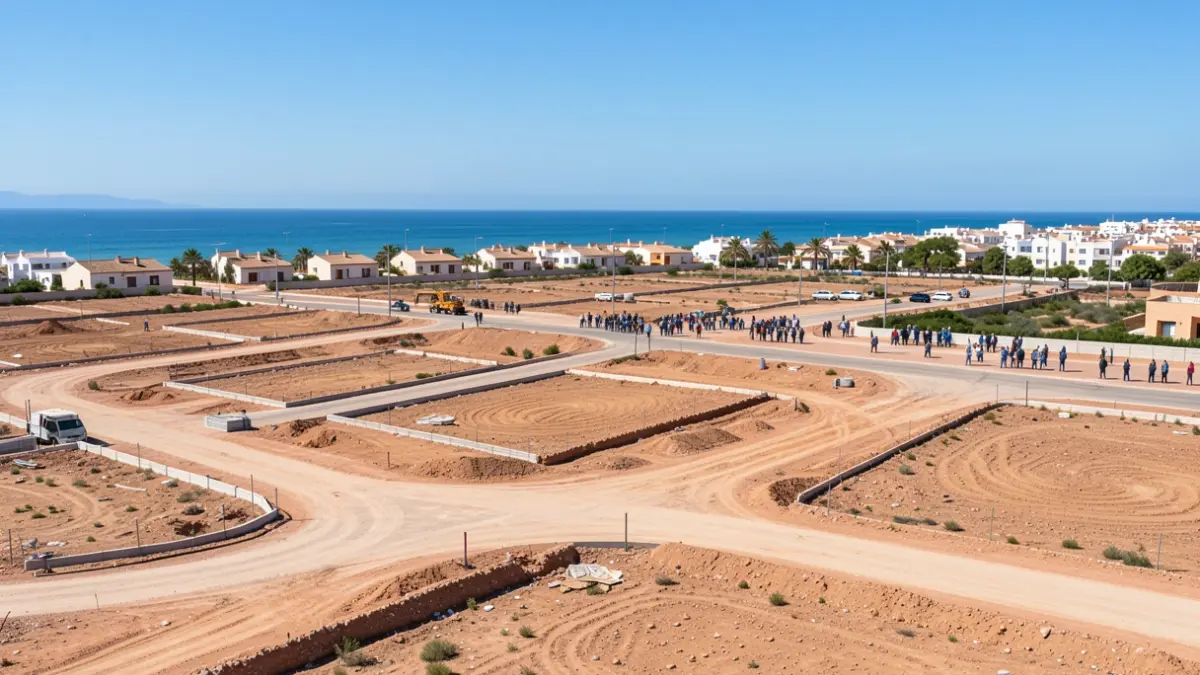
Key green corridors and garden areas have been reinforced, including Profesor Domínguez Ortiz, Avenida Federico García Lorca, and Periodista Fernando Gómez de la Cruz. The objective has been to increase the tree mass, expand areas of natural shade, and enhance the environmental and landscape quality.
In Periodista Fernando Gómez de la Cruz, plantings have occurred on the slope facing the Circunvalación de La Encina and in the vicinity of the olive grove at Cerrillo de Maracena, improving existing vegetation and its landscape integration.
The Avenida Federico García Lorca has seen interventions in its garden plots and green spaces. At Profesor Domínguez Ortiz, new species have been introduced to ensure green and landscape continuity.
Among the introduced species are fruitless mulberries, maples, mastic trees, ashes, carob trees, holm oaks, resistant elms, cedars, and various conifers. All have been selected for their suitability to the Mediterranean climate and their contribution to urban biodiversity and environmental resilience.
Specifically, 33 specimens of Pinus halepensis and 14 of Calocedrus decurrens have been incorporated, enriching plant diversity and the landscape integration of the intervened spaces. The work also included soil preparation and improvements to irrigation systems.
“"Every new tree we add to Granada is also an investment in health, well-being, and quality of life for its residents. These types of actions allow us to continue moving towards a greener city, with more pleasant urban spaces for walking and coexistence, and better prepared for the effects of climate change."