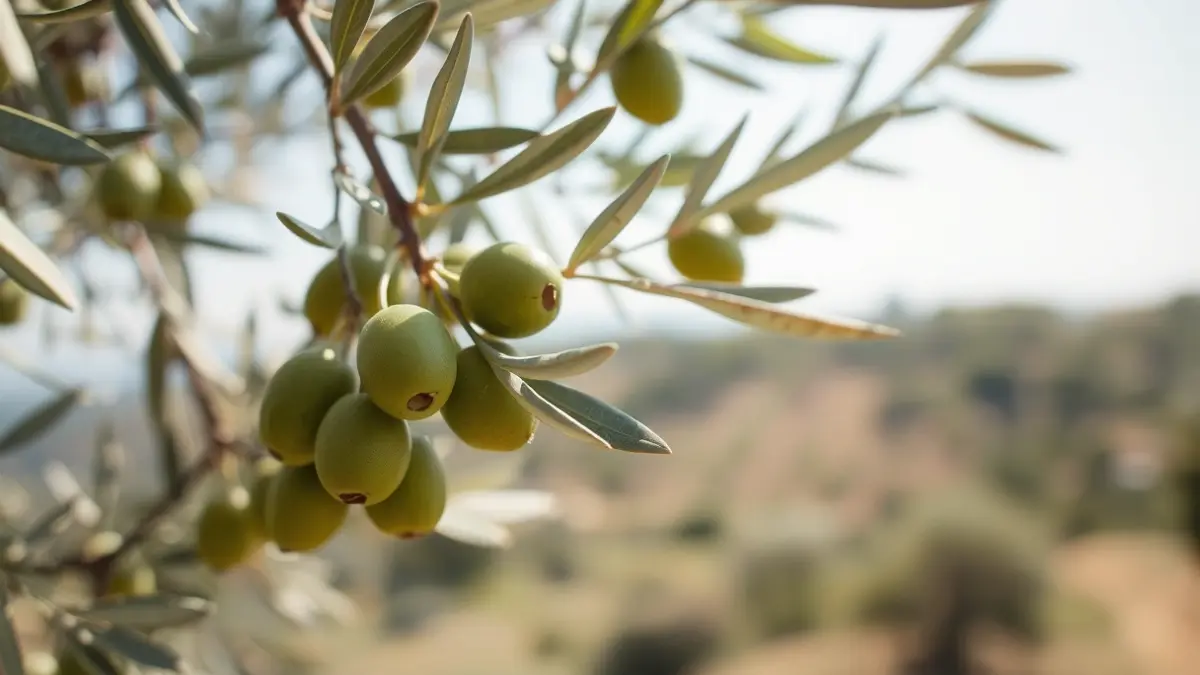
The Air Biological Quality Unit (UCBA-UGR) of the University of Granada has announced that concentrations of olive and grass pollen will reach high levels in the first week of May. These two varieties are the main culprits for allergies in the province, according to the unit's records.
Olive pollen has been identified as the leading cause of allergy in the province of Granada, with grass pollen ranking second. Both pollen types are expected to maintain significant concentrations in the air for at least six weeks, meaning the situation will extend almost until the arrival of summer.
“"Pollen concentrations in Granada are expected to reach high levels, so sensitized individuals are warned to take extreme precautions, especially if they have to go outside."
Given this period of intense flowering, the University of Granada has issued a series of recommendations. These include consulting a specialist doctor to determine the type of pollen causing allergic symptoms and following prescribed treatments. It is also advisable to be aware of allergenic plants, use FFP2 masks and sunglasses to prevent pollen contact with the conjunctiva of the eyes and respiratory tracts, and keep windows closed in homes, workplaces, and public transport. Furthermore, staying informed about pollen levels and learning to identify allergenic plants is crucial.