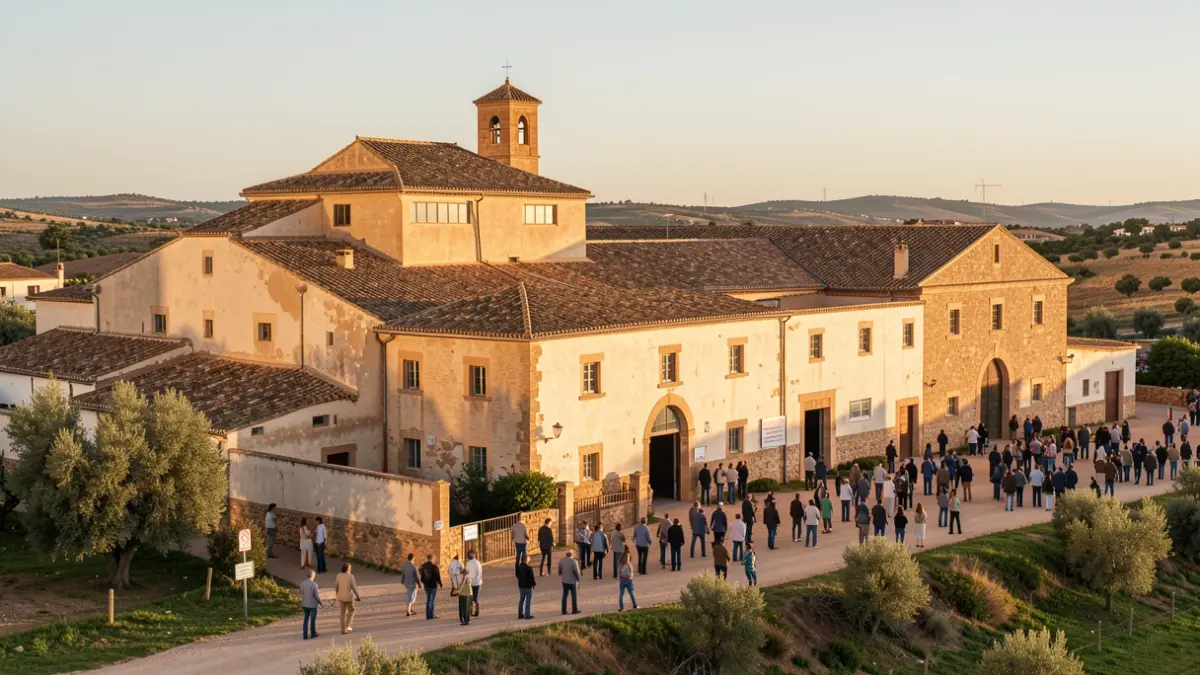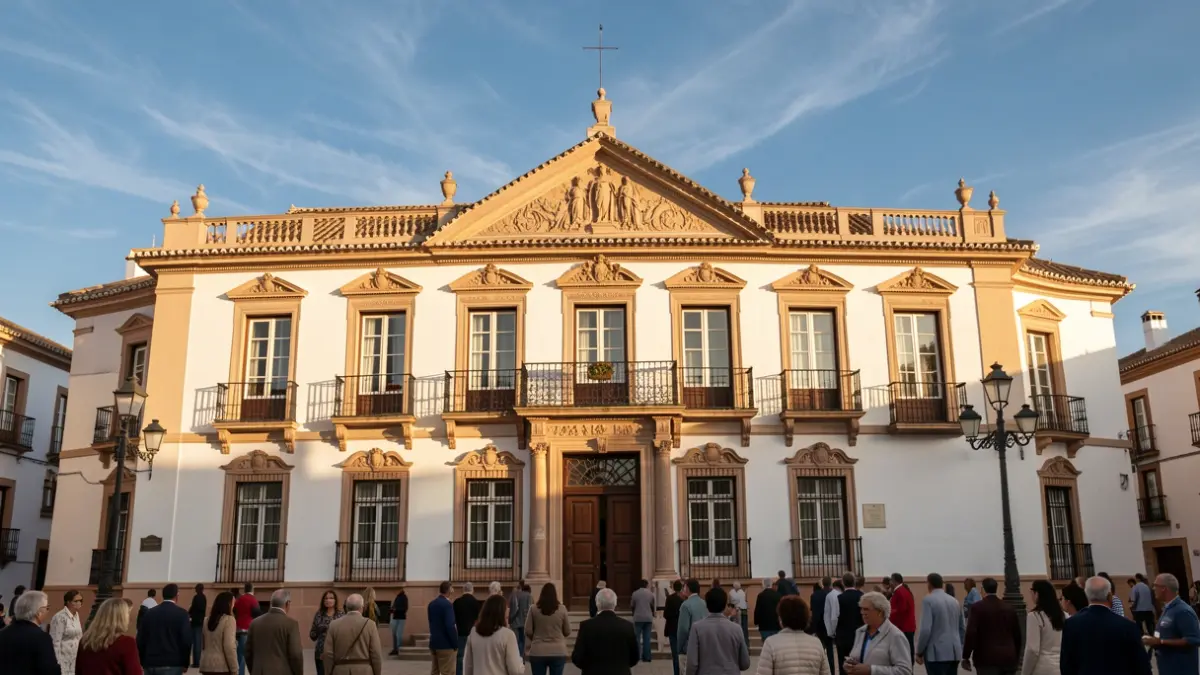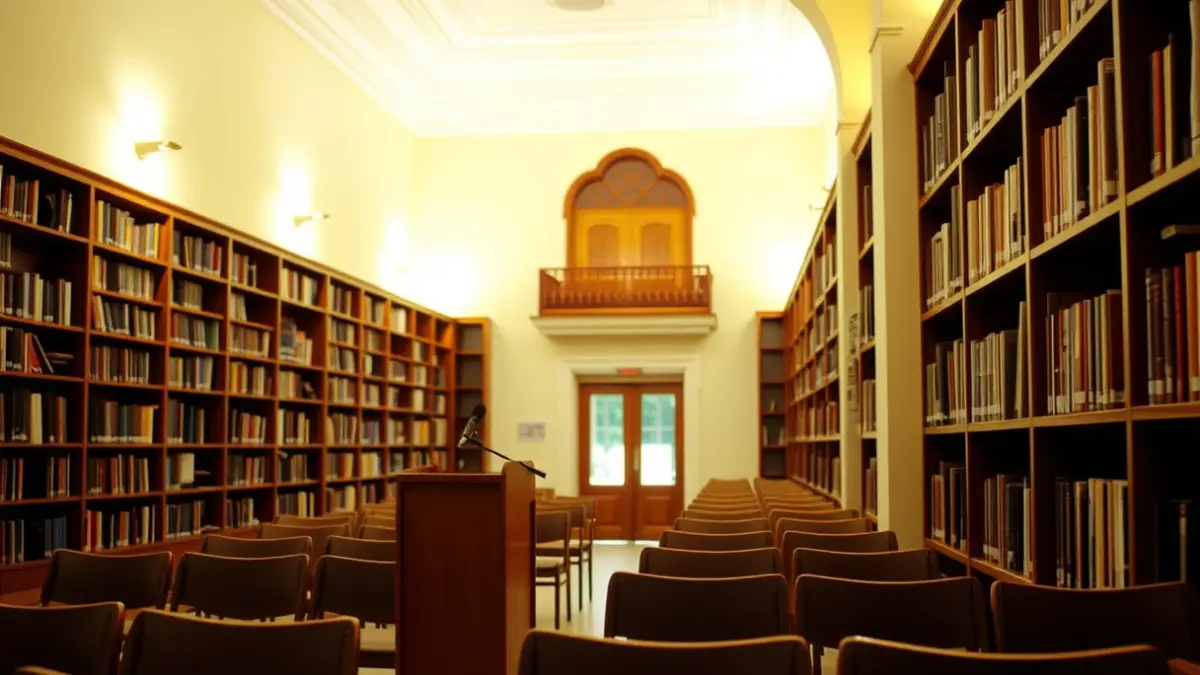
The Granada Book Fair bids farewell in a festive atmosphere, adapting its program to harmonize with the city's Día de la Cruz celebration. Although with reduced intensity, the cultural offering maintains its diversity, ensuring a closing day with appealing proposals for all audiences.
The morning of the final day will be especially dedicated to families in the Andalucía Pavilion, where the 'PequeFeria' will offer participatory and educational activities. Highlights include proposals such as Alhambra Matemática, which merges scientific dissemination and heritage, and workshops like Pequeños misterios para grandes detectives, inviting youngsters to solve enigmas set in Granada. Values such as inclusion will also be addressed with María y Akram revolucionan el cole, and sustainable mobility with Paco, el niño que pedalea y anda al cole.
Children will also enjoy narratives such as Operación Beluga o cómo 3000 ballenas bailaron al son de la música, combining real history and creativity. These activities reinforce the pedagogical and accessible nature of the fair. Additionally, the Office of Book Arts will maintain its introductory engraving workshops and graphic work printing exhibitions, providing a last opportunity to learn about the artisanal processes of publishing.
The Sala Zaida will continue with a literary program covering poetry, narrative, and essays. Works such as Barro, by Concha González Badía, and La decisión del César, by Blas Malo, will be presented, as well as the poetry collection Noche entreabierta, by Manuel Valero. In the afternoon, this space will host the closing of the Violet Readings cycle with the presentation of Café salado, by Dores Grego, a work that addresses gender violence and pays tribute to victims like Ana Orantes.
The feminist and cultural analysis focus will continue with a conversation about female rebellion in the Lorcan universe, reflecting on the female characters in the work of Federico García Lorca. The day at Sala Zaida will conclude with the presentation of the second volume of the cultural magazine Fuga, linked to the Faculty of Philosophy and Letters of the University of Granada, emphasizing young creation and contemporary thought.
In the Andalucía Pavilion, the afternoon will focus on two presentations: Vivenciario. Tengo que contarte algo, a mosaic of voices on eating disorders, and Alhambra: belleza abstracta, which will explore the geometric and symbolic patterns of the monument. The day will be completed with author signings and literary routes through the city, allowing the exploration of the connection between Granada and literature until the very last moment.