Granada's Mayor, Marifrán Carazo, and the President of the Andalusian School Council, Manuel Pérez, have formalized the adhesion of the highest participatory body for the Andalusian educational community. This agreement will involve educational centers throughout Andalusia in cultural initiatives linked to the bid.
The collaboration materializes through 'Intergeneraculturalidad', a project by the Andalusian School Council proposing 'The Memory Chrononauts' to Andalusian schools. This initiative aims to preserve, understand, and disseminate Andalusia's shared cultural heritage, thereby supporting Granada 2031.
Furthermore, the Regional Ministry of Educational Development and Vocational Training of the Regional Government of Andalusia and the City Council of Granada are developing an educational proposal to merge cultural and artistic tradition with artificial intelligence and technology. The goal is to connect Granada's cultural, historical, and literary past with contemporary languages, involving all students in the capital.
Marifrán Carazo expressed gratitude for the commitment, stating, "Granada 2031 is much more than a city project. It's an opportunity to build a shared cultural narrative from Andalusia to Europe." She emphasized that the involvement of educational centers means "incorporating the perspective of thousands of young people who will shape the future of culture."
The Mayor highlighted the bid's objectives to promote citizen participation and collective project building. "Culture should connect generations, strengthen our common identity, and project our heritage into the future," she said, valuing how the initiative positions older adults as knowledge transmitters and students as active agents of creation.
'Intergeneraculturalidad' aims to foster intergenerational exchange as an educational, social, and cultural tool to preserve and reinterpret Andalusian heritage. This initiative positions Granada as the hub of a regional network connecting educational centers, active participation centers, lifelong learning centers, and senior residences.
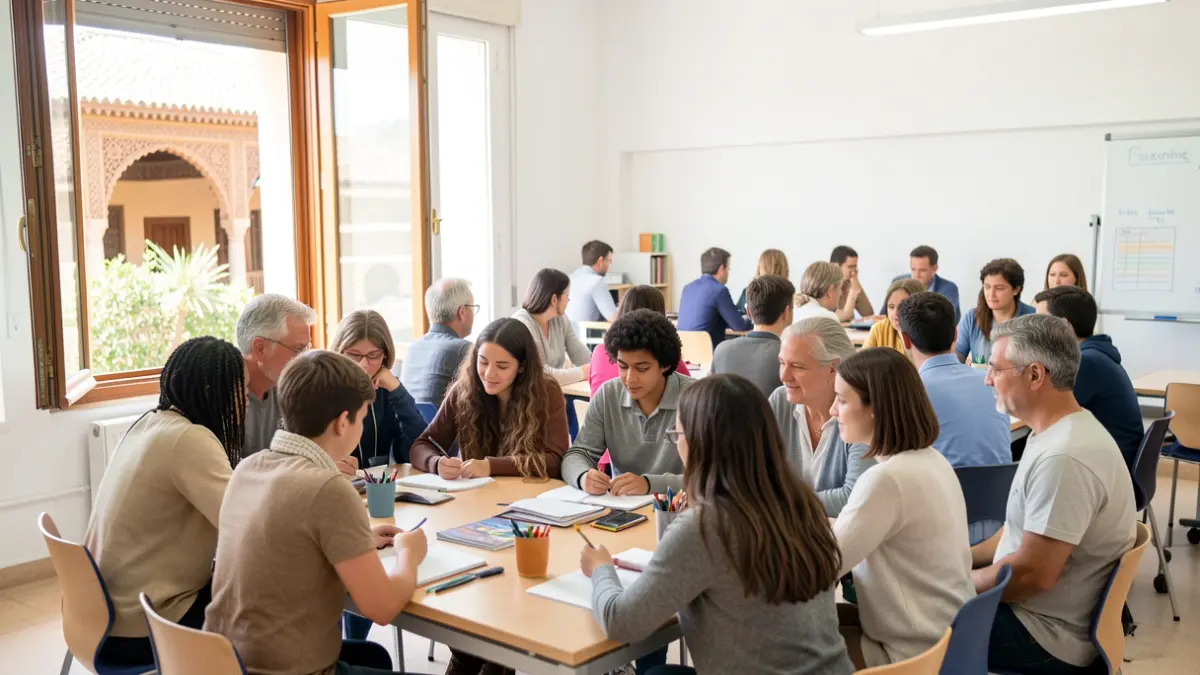
Utilizing methodologies like Service-Learning and Project-Based Learning, students will research testimonies, traditions, cultural expressions, gastronomy, and intangible Andalusian heritage passed down by older generations.
The project includes phases such as twinning educational centers with senior facilities, classroom research, creating cultural products, and a final gathering and dissemination event in Granada. An initial mentoring showcase of generational exchange projects is planned for the start of the next academic year.
Key objectives include reinforcing Granada's role as a European cultural benchmark, valuing Andalusian diversity, recovering oral history and traditional knowledge, promoting participatory cultural creation, and strengthening territorial cohesion.
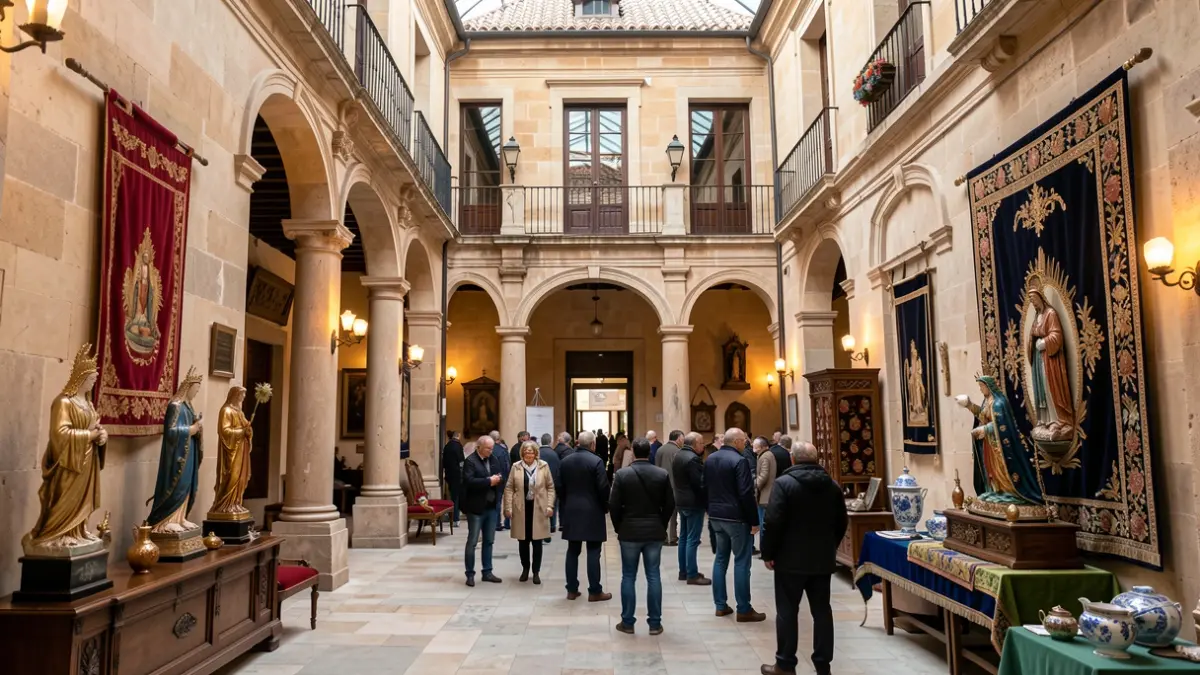
Student work may manifest in diverse formats like documentaries, podcasts, exhibitions, narratives, murals, blogs, interactive cultural maps, traditional recipe books, or digital projects, contributing to a shared Andalusian cultural memory.
The project will culminate in a regional gathering in Granada, bringing together students, educators, seniors, and institutions for a collective exhibition of experiences and cultural products, thereby reinforcing the city's role as a meeting point within the European Capital of Culture 2031 bid.